How Often Should Plumbing Be Updated in Older Homes and Buildings
How often should plumbing be updated? Learn the real signs, timelines, and risks based on material type, age, and real-world plumbing experience.
How often should plumbing be updated?
The honest answer is that it depends on age, materials, water quality, and how the system has been treated over time.
But there are clear guidelines you can use to avoid costly surprises.
This guide breaks it all down in plain terms, based on real-world plumbing experience and trusted industry sources.
How Often Should Plumbing Be Updated Based on Age
Most plumbing systems aren’t designed to last forever.
Even if everything looks fine on the surface, pipes age quietly behind walls and under floors.
Here’s a general rule I’ve seen hold true over years of work:
- Homes under 25 years old
Usually fine with regular inspections and small repairs.
- Homes 25 to 50 years old
Start planning partial updates, especially if pipes are original.
- Homes over 50 years old
Full or near-full plumbing updates are often needed, even if leaks haven’t started yet.
Older properties were built with materials that don’t meet today’s standards. According to guidance from the Chartered Institute of Plumbing and Heating Engineering, ageing systems increase the risk of leaks, water quality issues, and sudden failures.
Pipe Material Matters More Than Most People Think
When people ask how often plumbing should be updated, I usually answer with another question: What kind of pipes do you have?
Different materials age very differently.
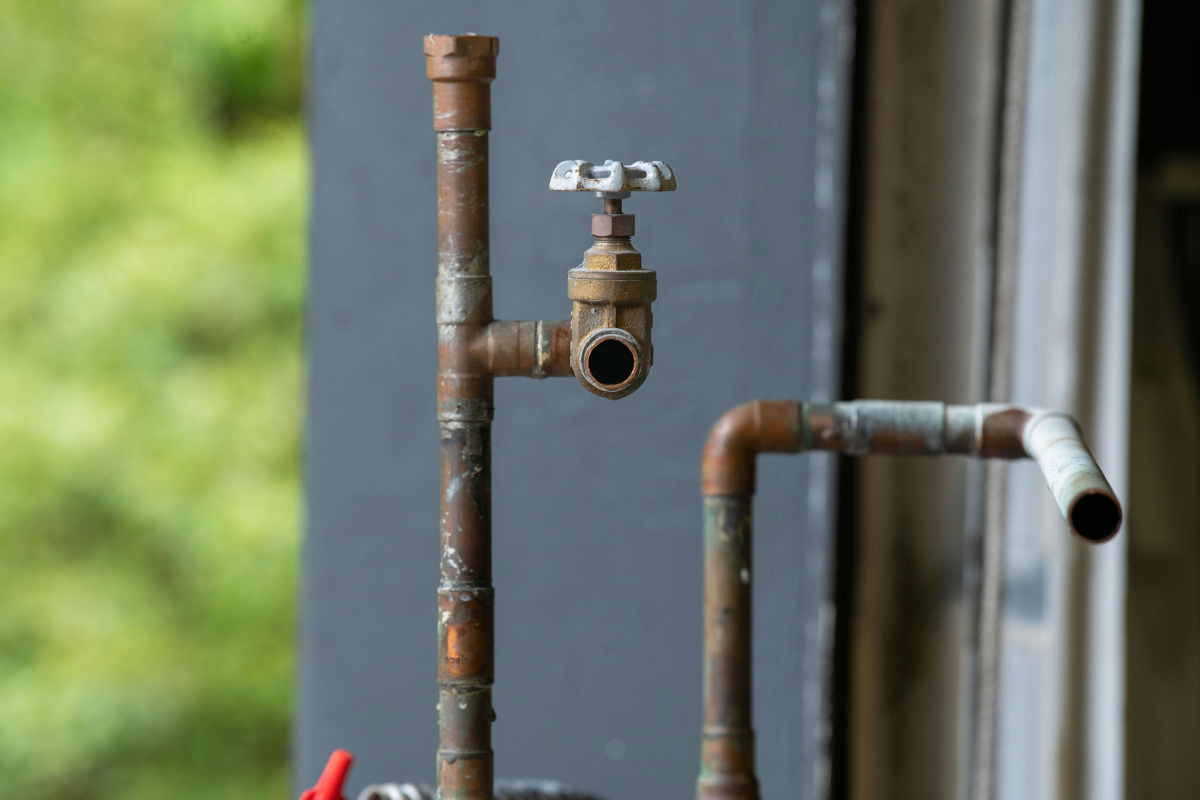
- Galvanised steel pipes
Often fail after 40 to 50 years due to internal corrosion and rust buildup.
- Copper pipes
It can last 50 years or more, but only if the water chemistry hasn’t caused pitting.
- Plastic pipes (PVC or PEX)
Typically lasts 40 to 50 years, depending on installation quality and temperature exposure.
Note that copper pipe lifespan drops when water is highly acidic or aggressive, something many homeowners never test for.

Warning Signs Your Plumbing Is Due for an Update
You don’t need a burst pipe to know it’s time. In fact, most systems give warnings long before they fail.
Pay attention if you notice:
- Frequent leaks in different areas
- Brown or cloudy water
- Low water pressure that keeps getting worse
- Pipes that rattle, bang, or vibrate
- Repeated repairs on the same sections
I’ve seen cases where homeowners spent more on patch repairs over two years than the cost of a proper system update.
That’s usually the point where updating stops being optional.
How Often Should Plumbing Be Updated for Water Safety
Plumbing updates aren’t just about leaks. They’re also about safe drinking water.
Old pipes can release metals into your water, especially lead or rust from older systems. Deteriorating plumbing can affect water quality even when municipal supply is clean.
If your home was built before modern pipe standards were enforced, updating the plumbing helps protect:
- Drinking water quality
- Appliances like boilers and washing machines
- Long-term health of occupants
This is one area where waiting too long can cause real harm.
Partial Updates vs Full Plumbing Replacement
Not every property needs a full strip-out. Knowing how often should plumbing be updated also means knowing how much needs updating.
A partial update makes sense when:
- Only certain pipe runs are original
- Problems are isolated to bathrooms or kitchens
- Pressure and water quality are still stable
A full update is smarter when:
- Pipes are original throughout the building
- Multiple leaks have occurred
- Renovation work already involves opening walls
Many homeowners I’ve worked with choose phased upgrades to spread costs while reducing risk.
Tip: Planning Updates Before Renovations Saves Money
One mistake I see far too often is renovating first and updating plumbing later.
If you’re already planning:
- A new bathroom
- A kitchen remodel
- Heating system upgrades
That’s the ideal time to review the plumbing. Opening walls twice costs more and causes more disruption.
This is where working with recommended Plumbing and Heating professionals like RA Plumbing and Heating can help ensure upgrades are planned logically, not reactively.
How Often Should Plumbing Be Updated to Avoid Emergency Repairs
Emergency plumbing is always more expensive. Always.
Burst pipes don’t wait for convenient times. Based on industry data shared by the Statista, water damage consistently ranks among the costliest home insurance claims.
Updating plumbing on your schedule:
- Reduces emergency call-outs
- Protects flooring and structural elements
- Improves resale value
- Lowers long-term maintenance costs
Preventive updates almost always cost less than reactive repairs.

How Water Quality and Usage Affect Plumbing Lifespan
One factor that rarely gets enough attention when asking how often should plumbing be updated is water quality.
Two homes built in the same year can have very different plumbing lifespans, depending solely on what flows through the pipes each day.
From what I’ve seen on-site, harder water and high mineral content speed up wear more than most people expect.
Here’s how water conditions play a role:
- Hard water causes scale buildup inside pipes, reducing flow and stressing joints
- High chlorine levels can weaken certain plastic pipes over time
- Sediment in supply lines leads to abrasion inside older metal pipes
High water pressure accelerates wear on fittings and valves
According to guidance from the Water Regulations Advisory Scheme, prolonged exposure to unsuitable water conditions reduces pipe service life and increases the risk of failure.
If your area is known for hard water or pressure fluctuations, plumbing updates may be needed earlier than standard timelines suggest. This is why two properties of the same age don’t always age the same way behind the walls.
Final Thoughts: A Practical Rule You Can Trust
So, how often should plumbing be updated?
A solid rule you can rely on is this:
- Inspect every 5 years
- Plan upgrades after 25 to 30 years
- Strongly consider full updates after 50 years
Plumbing isn’t something you see every day, which makes it easy to ignore. But when it fails, it rarely fails quietly.
If you take one thing from this guide, let it be this:
Upgrading plumbing early is a planning decision. Waiting too long turns it into an emergency.
That difference alone can save you thousands and a lot of stress.