Does HVAC Require Annual Maintenance?

Does HVAC require annual maintenance? Learn why yearly checkups matter, what they include, and how regular care helps avoid costly breakdowns.
Owning a home means juggling a lot of responsibilities.
Some are obvious, like fixing a roof leak or replacing a broken appliance. Others are easier to ignore because nothing looks wrong on the surface.
HVAC maintenance often falls into that second group. Many homeowners only think about their system when the house feels too hot or too cold.
So, it’s no wonder that a lot of people keep asking: Does HVAC require annual maintenance, or can it be skipped until something breaks?
If you want fewer surprise repairs, lower energy bills, and a more comfortable home year-round, annual HVAC maintenance plays a bigger role than most people realize.
This guide breaks it down in a clear, homeowner-friendly way so you can decide what makes sense for your home.
Does HVAC Require Annual Maintenance?
Yes, HVAC systems do require annual maintenance. This is not just a suggestion from service companies. It is backed by manufacturers, energy experts, and years of real-world experience in homes just like yours.
Your HVAC system runs for long hours, often under heavy load during extreme weather. Small parts wear down, dust builds up, and airflow changes over time. Annual maintenance helps reset the system back to proper working condition before those small issues turn into major failures.
The U.S. Department of Energy states that regular HVAC maintenance helps systems run more efficiently and reduces overall energy use. For homeowners, that usually means lower monthly bills and fewer emergency calls.
Why Homeowners Skip HVAC Maintenance (And Why That Backfires)
Many homeowners skip HVAC maintenance for understandable reasons.
Some common ones include:
- The system seems to be working fine
- Maintenance feels optional compared to visible repairs
- Budget priorities shift to more urgent issues
- It is easy to forget year after year
The problem is that HVAC issues rarely show up all at once. Systems often fail slowly. By the time comfort drops or noises start, damage is already done.
From what many homeowners experience, the most expensive HVAC repairs often start as small, ignored problems that would have been easy to fix during a routine visit.

What Annual HVAC Maintenance Looks Like for a Homeowner
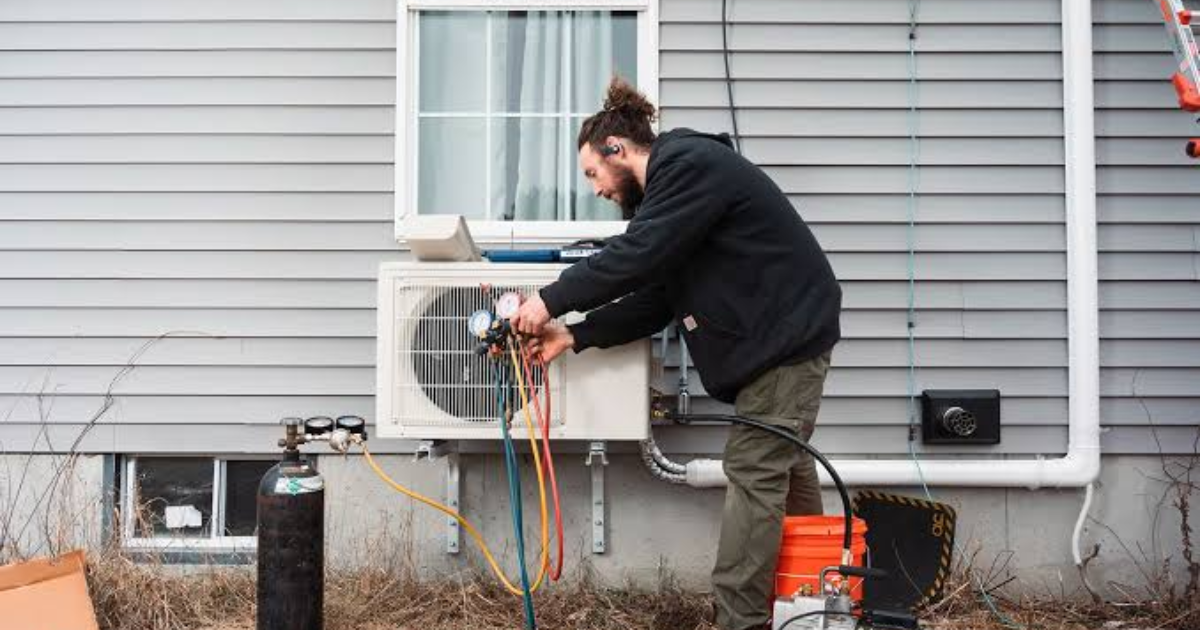
A proper maintenance visit is not just a quick glance. It is a detailed check of the parts that affect comfort, safety, and efficiency.
During a typical visit, a technician may:
- Inspect and replace dirty air filters.
- Clean coils that collect dust and debris
- Check electrical connections for wear.
- Test the thermostat for accuracy
- Inspect motors, fans, and belts
- Check refrigerant levels and pressure.
- Look for airflow issues or duct leaks.
For homeowners, this matters because each of these parts affects how hard the system works. A clean and tuned system heats and cools more evenly, runs quieter, and uses less energy.
How Annual Maintenance Saves Homeowners Money
Many homeowners focus on the upfront cost of maintenance, but the real savings show up over time.
Annual HVAC maintenance helps:
- Reduce monthly energy bills
- Prevent expensive emergency repairs
- Extend the life of the system
- Avoid premature system replacement.
For example, a dirty coil can force your system to work harder every day. That extra strain raises energy costs and shortens the life of major components.
Cleaning it during maintenance costs far less than replacing a failed part later.
Homeowners who maintain their systems often get several extra years of use compared to those who do not.
Comfort Problems That Maintenance Can Fix
If your home never feels quite right, HVAC maintenance may be the missing piece.
Common comfort complaints include:
- Hot and cold spots in different rooms
- Weak airflow from vents
- Rooms that take too long to heat or cool
- Dry air in winter or sticky air in summer
Dirty components, airflow restrictions, or worn parts often cause these problems. Annual maintenance helps correct these issues before homeowners assume the system itself is failing.
How HVAC Maintenance Fits Into Total Home Care
HVAC does not work alone. It connects to other parts of your home, including insulation, ventilation, and even roofing.
Poor insulation or roof ventilation can force HVAC systems to run longer than needed. At the same time, an inefficient HVAC system can create moisture and airflow issues that affect ceilings and attic spaces.
This is why many homeowners think about HVAC service and maintenance alongside other routine home checks. Keeping systems balanced helps protect the home as a whole, not just one piece of equipment.
How Often Should Homeowners Schedule HVAC Maintenance?
For most homes:
- Once per year is the minimum
- Twice per year is ideal for systems with both heating and cooling
A common schedule is:
- Spring before cooling season
- Fall before heating season
This timing prepares the system for heavy use and gives homeowners time to address issues before peak demand, when repair wait times are longer.
Signs Your HVAC System Needs Maintenance Now
Even with annual care, some warning signs mean you should schedule service sooner.
Pay attention if you notice:
- New or unusual noises
- Rising energy bills with no clear cause
- Weak airflow from vents
- Inconsistent temperatures
- Dust buildup around registers
These signs often point to problems that are still manageable. Acting early gives homeowners more control over repair costs.

FAQs Homeowners Ask About HVAC Maintenance
Does HVAC require annual maintenance if nothing seems wrong?
Yes. Many problems are not visible or noticeable until damage is already done. Maintenance catches issues early.
Can homeowners handle HVAC maintenance themselves?
Basic tasks like changing filters help, but full maintenance requires training and tools. Some parts involve safety risks if handled incorrectly.
Is maintenance required for warranties?
Many manufacturers require proof of regular maintenance to keep warranties valid. Skipping it can cost you later.
Does maintenance really improve energy efficiency?
Yes. Clean systems use less energy to perform the same work, lowering monthly utility bills.
Final Thoughts for Homeowners
So, does HVAC require annual maintenance?
Yes, and for homeowners, it is one of the simplest ways to protect comfort, control costs, and avoid stress.
Annual maintenance:
- Keeps systems running efficiently
- Reduces surprise breakdowns
- Helps systems last longer
- Improves indoor comfort and air quality
When you consider the cost of emergency repairs or a full replacement, routine maintenance is a smart, practical choice for any homeowner who wants fewer problems and more peace of mind.