Will a Home Inspector Look for Mold During an Inspection?
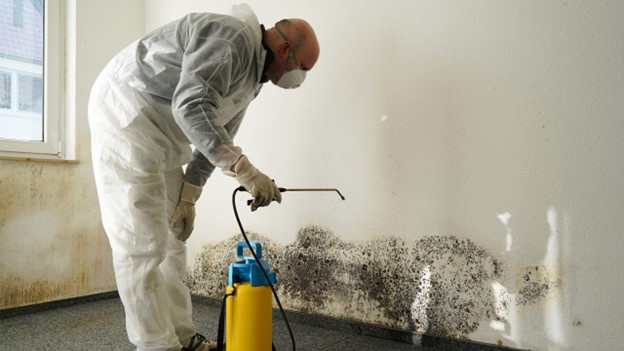
Will a home inspector look for mold during an inspection? Learn what inspectors check, what they miss, and when you need a mold specialist.
When you’re buying or selling a home, you want to know what you’re really dealing with.
One question that comes up a lot is this: will a home inspector look for mold?
You might expect them to check everything, including hidden health risks. But the truth is a bit more layered.
In many cases, inspectors do look for signs of mold, but they don’t always test for it. That’s where things can get confusing.
If you’re already thinking about mold inspection services, it’s smart to understand the difference.
You can check a professional option to see what a deeper check involves.
Key Takeaway
- Will a home inspector look for mold? Yes, but only visible signs.
- They do not usually perform mold testing unless you request it.
- Hidden mold often requires a specialist inspection.
- If mold is a concern, you should plan for a separate mold inspection.
Will a Home Inspector Look for Mold During a Standard Inspection?
Yes, but only to a point.
A home inspector will look for visible signs of mold or moisture problems. They are trained to spot things that may lead to mold growth.
Here’s what they usually check:
- Water stains on walls or ceilings
- Musty odors in rooms or basements
- Leaks under sinks or around toilets
- Poor ventilation in bathrooms or kitchens
- Signs of past flooding
They are not mold experts. Their job is to flag issues, not confirm them.
According to the International Association of Certified Home Inspectors (InterNACHI), inspectors are not required to identify mold types or test air quality.
So if you’re asking, will a home inspector look for mold, the answer is yes, but only on the surface level.
Will a Home Inspector Look for Mold in Hidden Areas?
This is where many people get caught off guard.
A home inspector will not open walls, lift floors, or remove materials just to check for mold.
That means hidden mold can easily go unnoticed.
Common hidden areas include:
- Inside walls
- Under carpets
- Behind cabinets
- Inside HVAC systems
Inspectors rely on what they can see and access safely.
If you suspect hidden mold, you’ll need mold testing Los Angeles services or similar specialists who use tools like:
- Moisture meters
- Infrared cameras
- Air sampling kits
These tools help detect mold that isn’t visible yet.
Will a Home Inspector Look for Mold or Test for It?

This is a key difference you need to understand.
- Looking for mold means spotting visible signs
- Testing for mold means collecting samples and confirming it
Most home inspectors do not perform mold testing.
Why?
Because testing requires:
- Special equipment
- Lab analysis
- Extra certifications
The U.S. Environmental Protection Agency (EPA) explains that routine mold testing is not always necessary, but it can help when the source is unclear.
So again, will a home inspector look for mold? Yes.
But testing is usually outside their scope.
Will a Home Inspector Look for Mold in Bathrooms and Kitchens?
Yes, and these are high-risk areas.
Bathrooms and kitchens are where moisture builds up the most. A good inspector will pay close attention here.
They typically check:
- Around bathtubs and showers
- Under sinks
- Behind toilets
- Around dishwashers
- Ventilation fans
What they’re really looking for is moisture. Mold needs moisture to grow.
The Centers for Disease Control and Prevention (CDC) confirms that controlling moisture is the best way to prevent mold.
So if you’re wondering will a home inspector look for mold in these areas, the answer is yes, but again, they focus on conditions that cause mold, not lab confirmation.
When Should You Get a Separate Mold Inspection?
Sometimes, a basic inspection is not enough.
You should consider a separate mold inspection if:
- You notice a strong musty smell
- There has been recent water damage
- The home has been vacant for a long time
- You or your family have allergy symptoms indoors
- The inspector flags possible mold concerns
In places like Los Angeles, where humidity and older homes can mix, many buyers go for mold inspection Los Angeles services for peace of mind.
A mold specialist will:
- Take air and surface samples
- Identify mold types
- Measure spore levels
- Provide a clear report
This gives you real answers, not just guesses.
Will a Home Inspector Look for Mold That Affects Health?
They might notice warning signs, but they won’t assess health risks.
Mold can affect people differently. Some may have no reaction, while others may face:
- Sneezing
- Skin irritation
- Breathing issues
The CDC notes that people with asthma or weak immune systems are more sensitive to mold exposure.
A home inspector is not a health expert. Their role is limited to property condition, not medical impact.
So, when asking whether a home inspector will look for mold, remember that a health evaluation is not part of their job.
What Happens If a Home Inspector Finds Signs of Mold?
If they see something suspicious, they will:
- Document it in the report
- Recommend further evaluation
- Suggest fixing the moisture source
They won’t:
- Confirm the type of mold
- Estimate health risk
- Provide full remediation steps
That’s where a mold professional steps in.
Cost Difference: Home Inspection vs Mold Inspection

Understanding cost helps you plan better.
Home inspection:
- Covers the whole house
- Includes basic mold observation
- Usually costs less
Mold inspection:
- Focused only on mold
- Includes testing and lab results
- Costs more, but gives deeper insight
If mold is a concern, skipping testing can cost more later.
Will a Home Inspector Look for Mold Before You Buy a Home?
Yes, and this is one of the most important times.
Before buying, you want to avoid hidden problems. Mold can be expensive to fix and may affect your living conditions.
A smart approach is:
- Start with a home inspection
- If anything seems off, follow up with mold testing
This layered approach protects you from surprises.
How to Prepare for a Better Mold Check
If you want the inspection to be more useful, you can help the process.
Here’s what you can do:
- Keep areas accessible – clear space under sinks and around walls
- Turn on utilities – inspectors need water and electricity
- Share known issues – past leaks or repairs matter
- Ask direct questions about moisture and mold risks
The more open you are, the better the outcome.
Conclusion
So, will a home inspector look for mold? Yes, but only what they can see.
They are trained to spot warning signs like moisture and stains, not to confirm mold through testing.
If mold is a real concern, you need a specialist who can dig deeper and give clear answers.
Think of a home inspector as your first line of defense. They help you notice problems early.
But for mold, especially hidden or serious cases, a dedicated inspection gives you the full picture.