How Many Plumbing Vents Should a House Have?

Learn how many plumbing vents should a house have, why they matter, and how to size and place them correctly for safe, efficient drainage.
If you’ve ever dealt with slow drains, bad smells, or gurgling pipes, you’ve already seen what happens when venting isn’t right.
Plumbing vents don’t get much attention, but they play a big role in how your whole system works.
They help air move through your pipes so water can drain smoothly and safely.
If you’re planning a build, remodeling, or fixing issues, knowing how many plumbing vents should a house have can save you stress and money.
If you need help with local work, you can always reach out to a reliable plumber in Indianapolis for a proper inspection and setup.
What Plumbing Vents Actually Do
Before talking numbers, you need to understand why vents exist in the first place.
Plumbing vents:
- Balance air pressure in your pipes
- Prevent water from being siphoned out of traps
- Let sewer gases escape safely through the roof
- Help drains flow faster and quieter
Without proper venting, your system struggles. You’ll notice:
- Slow drainage
- Bubbling or gurgling sounds
- Strong sewer smells inside the house
According to the International Residential Code (IRC), proper venting is required to keep plumbing systems safe and functional.
So, How Many Plumbing Vents Should a House Have?
This is where most people want a straight number.
But the truth is, there isn’t a fixed number for every home.
The number depends on:
- Size of the house
- Number of fixtures (toilets, sinks, showers)
- Layout of the plumbing system
- Local building codes
That said, here’s a practical way to look at it:
Basic Rule You Can Follow
- Every plumbing fixture needs access to a vent
- But not every fixture needs its own separate vent pipe
In most homes:
- A small home may have 1–2 main vent stacks
- A medium-sized home may have 2–4 vents
- Larger homes can have several vent stacks and branch vents
So when asking, how many plumbing vents should a house have, think in terms of coverage, not just count.
How Many Plumbing Vents Should a House Have Per Fixture?
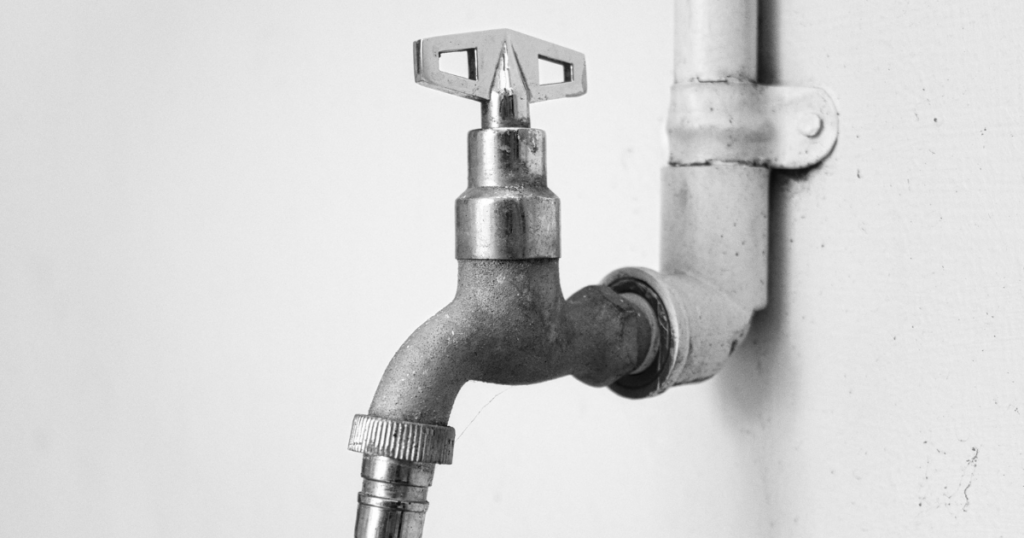
Each fixture connects to the vent system in one of these ways:
- Direct vent (individual vent pipe)
- Shared vent (wet venting)
- Branch vent tied into a main stack
Typical Setup Looks Like This:
- Toilet → Usually tied into a main vent stack
- Sink → Often has its own vent or shares one
- Shower/tub → Connected through a branch vent
Instead of one vent per fixture, plumbers group them smartly.
This keeps the system efficient and cost-effective.
Common Types of Plumbing Vents in a House
To fully understand how many plumbing vents should a house have, you need to know the types used in real homes.
1. Main Vent Stack
This is the vertical pipe you see sticking out of your roof.
- Handles airflow for the main drainage system
- Usually connected to toilets and major fixtures
2. Individual Fixture Vents
These serve single fixtures like sinks.
- Often hidden behind walls
- Prevent trap siphoning
3. Wet Vents
This is a smart setup where one pipe serves both drainage and venting.
- Common in bathrooms
- Saves space and materials
4. Air Admittance Valves (AAVs)
These are mechanical vents that open when needed.
- Used when roof venting isn’t possible
- Not allowed everywhere
The Environmental Protection Agency (EPA) highlights how proper plumbing systems protect indoor air quality.
How Many Plumbing Vents Should a House Have Based on Size?
Let’s make this more relatable.
Small Homes (1 bathroom)
- 1 main vent stack
- Possibly 1 extra branch vent
Medium Homes (2–3 bathrooms)
- 2–3 vent stacks
- Several branch vents
Large Homes (4+ bathrooms)
- Multiple stacks
- Complex venting network
The key idea is this:
More fixtures = more venting support needed
Signs Your House Doesn’t Have Enough Plumbing Vents
You don’t always need to count pipes to know something is wrong.
Watch for these signs:
- Slow draining sinks or tubs
- Toilet bubbles when you run water elsewhere
- Bad smells coming from drains
- Water levels in toilets changing randomly
These issues often point to poor venting.
And yes, they can lead to bigger problems if ignored.
What Happens If You Have Too Few Plumbing Vents?
When people ask how many plumbing vents should a house have, they’re often trying to avoid problems.
Here’s what can go wrong with poor venting:
1. Trap Seal Loss
Water in your drain traps gets pulled out.
That allows sewer gases into your home.
2. Pressure Imbalance
Water struggles to flow, leading to backups.
3. Increased Clogs
Airflow issues make debris settle instead of moving.
That’s where services like drain cleaning Indianapolis become important to keep things flowing properly.
Can You Have Too Many Plumbing Vents?
This is less common, but it does happen.
Too many vents can:
- Increase installation cost
- Complicate the system
- Create unnecessary roof penetrations
A good plumber designs a system that is:
- Efficient
- Code-compliant
- Cost-effective
Plumbing Codes That Affect Vent Numbers
Your vent count isn’t just about preference.
It must follow code.
The International Residential Code (IRC) and local building rules define:
- Maximum distance between fixture and vent
- Pipe sizes
- Allowed vent types
For example:
- A sink must be within a certain distance from its vent
- Toilets require proper venting to handle large waste flow
You can explore more in the National Association of Home Builders resources for residential construction standards.
Tips to Get Plumbing Venting Right
If you’re building or upgrading, here’s what helps:
Plan Early
- Don’t treat venting as an afterthought
- Include it in your plumbing layout from day one
Keep It Simple
- Fewer, well-placed vents are better than many random ones
Follow Local Codes
- Always check your city or county requirements
Work With a Professional
- Venting mistakes are hard to fix later
An Example
I once saw a home where the owner tried to save money by reducing vent pipes.
At first, everything looked fine.
But within months:
- The kitchen sink started gurgling
- The bathroom smelled bad
- The toilet flushed unevenly
Fixing it later cost more than doing it right from the start.
That’s why understanding how many plumbing vents should a house have matters before problems show up.
Conclusion
So, how many plumbing vents should a house have?
There’s no single number that fits every home. What matters is proper coverage for every fixture and a balanced system that allows air to flow freely.
A small home may only need one or two vents, while larger homes need more complex setups.
The goal is not to add as many vents as possible, but to design a system that works smoothly, meets code, and protects your home.
If you notice signs like slow drains or bad smells, it’s worth checking your venting setup early.
It’s one of those things most people ignore until it starts causing real trouble.