What Is the Difference Between Tree Pruning and Trimming?
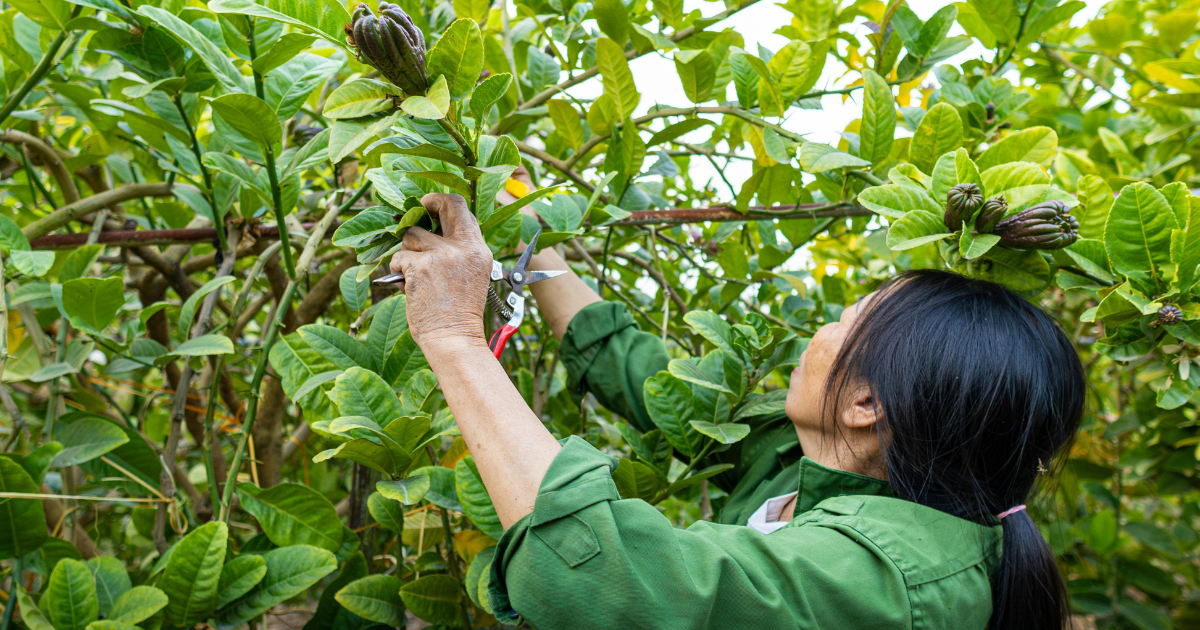
What is the difference between tree pruning and tree trimming? Learn how each process works, why trees need it, and when one may be more suitable.
What is the difference between tree pruning and tree trimming?
The two terms are often used as if they mean the same thing, but there is a useful difference.
Both involve removing parts of a tree, yet the reason for making the cuts can be quite different.
Pruning usually focuses on the tree’s health, structure, safety, and long-term growth.
Trimming is often used more broadly when talking about cutting back growth to control size, shape, or appearance.
For someone looking for a professional tree service O’fallon MO may ask whether a tree simply needs a few branches cut back or needs more careful structural work.
That distinction matters because removing the wrong branches, making poor cuts, or taking off too much growth can create problems instead of solving them.
Knowing what the work is meant to achieve makes it easier to choose the right approach.
What Is Tree Pruning?
Tree pruning is the selective removal of branches or stems for a specific purpose.
The goal may be to improve:
- Tree health
- Branch structure
- Safety
- Clearance around buildings or walkways
- Long-term growth
- Natural tree form
Pruning may involve removing dead, damaged, diseased, crossing, or weak branches.
It can also help young trees develop stronger branch structures.
The University of Minnesota Extension explains that proper pruning can change a plant’s form and growth while helping prevent some insect and disease problems.
This means pruning is not simply about making a tree look smaller.
Each cut should have a reason.
What Is Tree Trimming?
Tree trimming is a broader, less precise term.
It commonly refers to cutting back branches or foliage to manage the tree’s size, shape, clearance, or appearance.
For example, trimming may be discussed when branches:
- Grow too close to a roof
- Block a walkway or driveway
- Extend into an unwanted area
- Make the tree look uneven
- Need to be shortened for clearance
However, professional tree care usually uses more specific pruning terms instead of treating trimming as one particular cutting method.
Utah State University Extension notes that pruningis the preferred term because it describes the purposeful removal of plant parts more precisely than the general term “trimming.”
Tree Pruning vs. Tree Trimming: The Main Difference
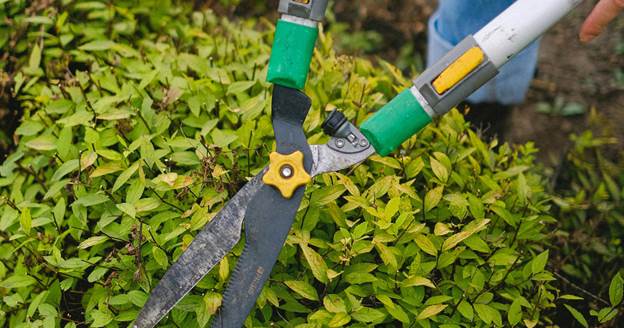
The easiest way to remember the difference is this:
Pruning is mainly about why and where branches are removed.
| Tree Pruning | Tree Trimming |
| Usually has a specific tree-care objective | Often focuses on size, shape, or clearance |
| May remove dead or damaged branches | May shorten unwanted growth |
| Can improve branch structure | Can help maintain a desired appearance |
| Considers how the tree will grow afterward | May focus more on the immediate result |
| Uses specific pruning cuts | Trimming does not describe one exact cutting method |
Trimming is a broader term often used for cutting back unwanted growth to manage size, shape, or clearance.
There is some overlap.
A job described by a homeowner as tree trimming may actually involve several types of pruning.
Why Proper Pruning Matters
Trees respond to cuts.
Removing a branch creates a wound, and the location and type of cut can affect how the tree responds.
Penn State Extension explains that pruning can improve structural strength, health, appearance, and safety when done correctly.
It also notes that pruning decisions should consider the tree’s structure, condition, and purpose.
Good pruning can address problems such as:
- Dead or broken limbs
- Branches rubbing against each other
- Weak branch attachments
- Branches growing toward buildings
- Low branches interfering with people or vehicles
- Growth that creates a safety concern
The aim is not to remove as much as possible.
Good pruning is selective.
What About Tree Removal?
Pruning and trimming are not substitutes for tree removal when a tree has a serious structural or safety problem.
For example, removal may be considered when a tree is severely damaged, dead, or presents a level of risk that cannot reasonably be managed through pruning.
Penn State Extension notes that hazardous trees and severely damaged trees may require different action from ordinary maintenance pruning.
This is also where tree removal O’fallon MO may become relevant for homeowners dealing with a tree that cannot be safely maintained through selective branch removal.
How Much Should Be Cut From a Tree?
There is no single percentage that works for every tree.
The right amount depends on factors such as:
- Tree species
- Tree age
- Tree health
- Reason for pruning
- Size and location of the branches
- Existing structural problems
Young trees may need gradual structural training, while mature trees often need more limited and targeted pruning.
Penn State Extension warns that excessive pruning can remove too much foliage and create additional stress.
Why Topping Is Not the Same as Proper Trimming
A common mistake is cutting major branches back to arbitrary points simply to make a tree shorter.
This practice, often called topping, is different from careful crown reduction.
Proper reduction cuts are made back to suitable lateral branches while maintaining the tree’s natural structure.
Penn State Extension explains that topping can harm a tree’s health, structure, and appearance.
So, if the goal is to reduce a tree’s size, the method matters just as much as the amount removed.
When Should You Call a Tree Professional?
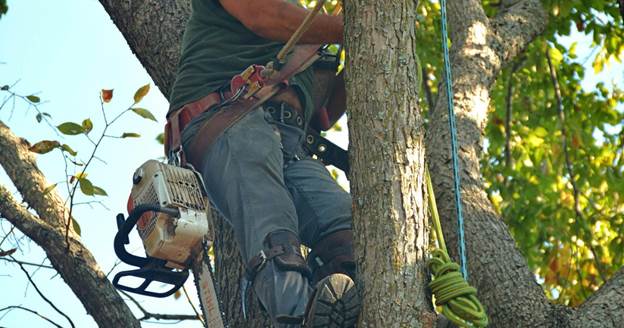
Small, low branches on a healthy tree may sometimes be handled by a knowledgeable homeowner with suitable tools.
Larger trees are different.
Professional help is especially important when work involves:
- Large or heavy branches
- Trees close to buildings
- Trees near power lines
- Significant storm damage
- Dead or unstable limbs
- Climbing or chainsaw work
University extension guidance recommends leaving hazardous tree work and work near electrical lines to properly qualified professionals.
Conclusion
What is the difference between tree pruning and tree trimming?
Pruning is a more precise tree-care practice that focuses on specific goals such as health, structure, safety, and controlled growth.
Trimming is a broader everyday term that often refers to cutting back branches or foliage for size, shape, appearance, or clearance.
The two terms can overlap, but the important issue is not what the work is called.
It is which branches are removed, why they are removed, and how the tree will respond afterward.
When those decisions are made carefully, tree maintenance can support the tree’s natural form instead of simply cutting away growth.