Are Power Plants Critical Infrastructure?
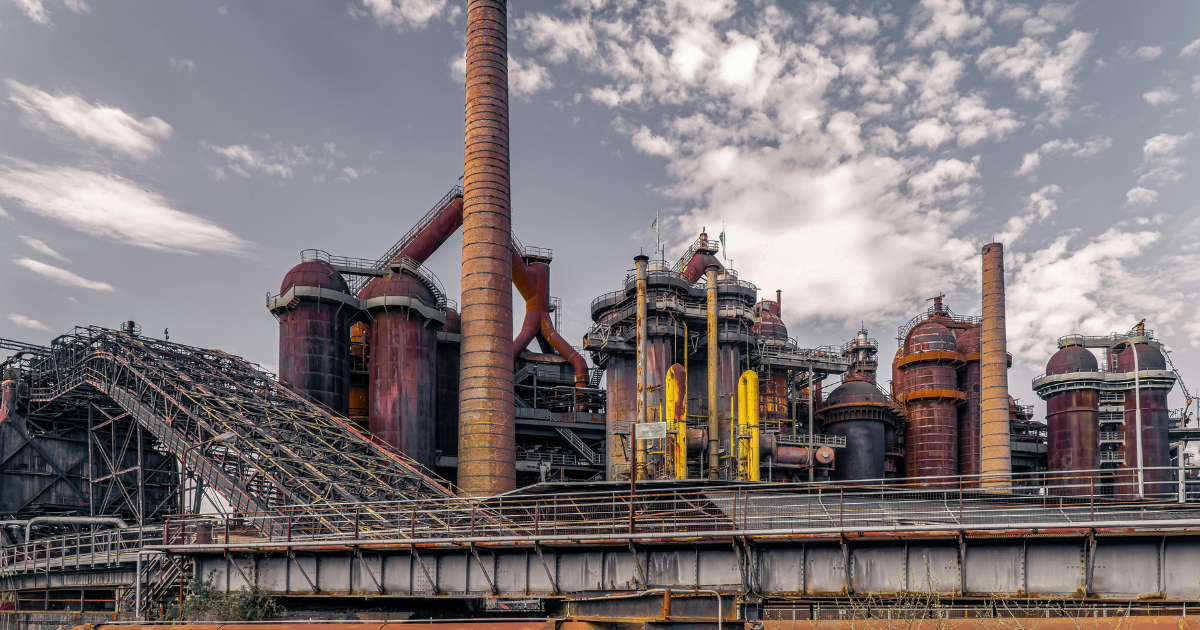
Are power plants critical infrastructure? Learn how they support essential services, the risks they face, and how operators protect them.
Imagine waking up one morning to find that your lights will not turn on, your refrigerator has stopped working, and your phone battery is almost dead.
If the power stays off for hours or days, the problem can affect much more than your home.
Hospitals may struggle to run medical equipment, water systems may stop pumping, and businesses may lose money.
So, are power plants critical infrastructure?
Yes, power plants are an essential part of critical infrastructure because they generate electricity that homes, businesses, and public services depend on.
Without a reliable electricity supply, many daily activities and emergency services can face serious disruption.
Electricity also supports communication networks, transport systems, and water treatment facilities.
Businesses that need continuous power may use backup generators, batteries, or UPS rental to keep essential equipment running during an outage.
Understanding the role of power plants helps explain why their safety, security, and reliable operation matter to society.
What Is Critical Infrastructure?
Critical infrastructure includes the facilities, systems, and services people need for daily life, public safety, and economic activity.
In the United States, the Cybersecurity and Infrastructure Security Agency identifies the energy sector as critical infrastructure.
Other important sectors include:
- Healthcare and public health
- Communications
- Transportation
- Water and wastewater systems
- Financial services
- Emergency services
These systems often depend on one another. For example, hospitals need electricity, water facilities need power for pumps, and communication networks need electricity to operate.
Power plants support these services by generating electricity for the wider grid.
Why Are Power Plants Considered Critical Infrastructure?
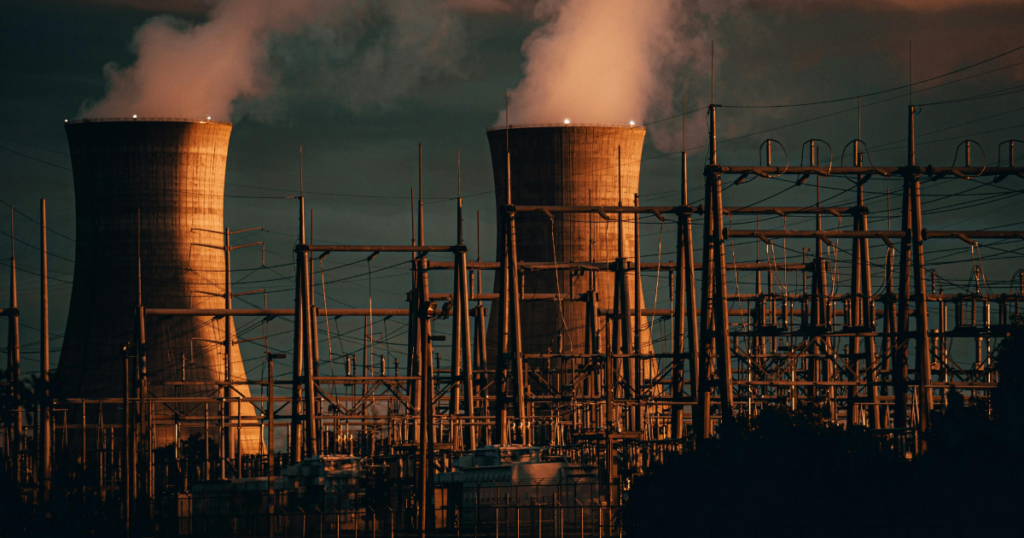
Power plants support several essential services. Their importance goes beyond keeping household lights on.
1. They Keep Hospitals Running
Hospitals need electricity for medical equipment, lighting, computer systems, and medicine storage.
A power failure can put patients at risk if essential equipment stops working. For this reason, many hospitals use backup generators and uninterruptible power supply (UPS) systems.
However, backup power is not unlimited. Battery capacity, fuel supplies, and equipment maintenance affect how long a hospital can continue operating without its normal electricity supply.
2. They Support Clean Water Supplies
Water treatment plants and pumping stations often rely on electricity to supply drinking water and manage wastewater.
If these facilities lose power and their backup systems cannot meet demand, communities may face water shortages or interruptions in sewage treatment.
This shows how a problem in the electricity system can affect public health.
3. They Keep Businesses and Industries Operating
Factories, farms, offices, shops, and data centers need electricity to operate.
A power interruption can stop production, spoil refrigerated goods, disrupt online services, and delay orders.
Some businesses may also face costly repairs when equipment shuts down unexpectedly.
Backup generators, battery storage, and temporary power systems can help reduce these risks.
Critical Power Rentals may also be useful when a facility needs temporary power during planned maintenance or an unexpected equipment failure.
4. They Support Communication and Emergency Services
Mobile phone towers, internet networks, radio systems, and emergency dispatch centers depend on electricity.
During a major emergency, these services help people contact family members, request assistance, and receive safety updates.
If a wide area loses power, communication services may also fail when backup batteries run out or generators stop working.
Reliable electricity is therefore important for emergency response and public safety.
What Types of Power Plants Are Critical Infrastructure?
Different power plants generate electricity in different ways. Their importance depends on their output, location, and role in the grid.
Common types include:
- Natural gas power plants: Burn natural gas to generate electricity.
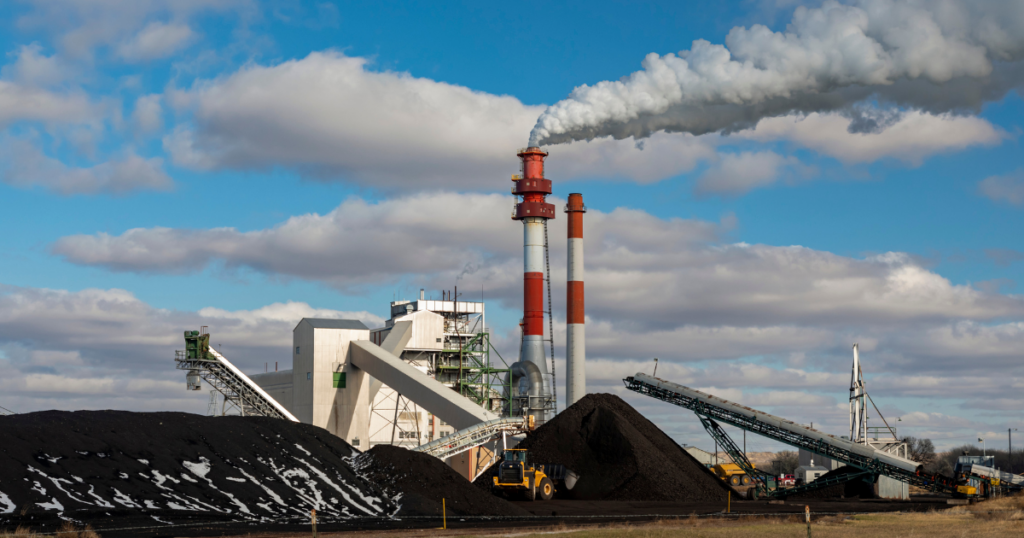
- Coal-fired power plants: Burn coal to produce heat and drive steam turbines.
- Nuclear power plants: Use nuclear reactions to produce heat and generate electricity.
- Hydroelectric power plants: Use moving water to turn turbines.
- Solar power plants: Convert sunlight into electricity using solar panels.
- Wind power plants: Use wind turbines to generate electricity.
Not every plant has the same role. Solar and wind generation depend on weather conditions, while other plants may provide steady output or adjust production to meet demand.
A reliable electricity system also depends on transmission lines, substations, energy storage, and distribution networks.
The U.S. Department of Energy explains how electricity moves from generators to the people and businesses that use it.
What Happens When a Power Plant Fails?
The impact of a failure depends on how much electricity the plant supplies, current demand, and whether other generators can replace its output.
A small plant failure may have little effect if the grid has enough spare capacity.
Losing a large plant during high demand can create greater pressure on the system.
Possible effects include:
- Power shortages: Available generation may not meet demand.
- Business losses: Production and customer services may stop.
- Public service disruptions: Hospitals and water facilities may face operational problems.
- Higher costs: Utilities may need to use more expensive sources of electricity.
A plant failure does not always cause a blackout. Grid operators can use other generators, stored energy, and demand-management measures to help maintain supply.
The North American Electric Reliability Corporation assesses risks to the North American bulk power system and publishes reports on electricity reliability.
What Threats Can Affect Power Plants?
Power plants face several risks that can interrupt electricity generation.
- Extreme weather: Floods, storms, wildfires, extreme heat, and severe cold can damage equipment or affect fuel and water supplies.
- Equipment failure: Turbines, generators, transformers, and control systems need regular inspection and maintenance. A major failure may force a plant to reduce output or shut down.
- Cyberattacks: Digital systems help operators monitor equipment and control operations. Cyberattacks can disrupt these systems and create safety or reliability risks.
- Physical security threats: Unauthorized access, vandalism, and deliberate damage can threaten plant workers, equipment, and electricity production.
The U.S. Department of Energy’s electric grid resources explain the importance of grid reliability, security, and resilience.
How Are Power Plants Protected?
Protecting power plants requires a mix of security, maintenance, and emergency planning.
Common measures include:
- Physical security: Restricting access to important equipment and facilities.
- Cybersecurity: Protecting computer networks and monitoring systems.
- Preventive maintenance: Inspecting equipment and fixing problems before they cause major failures.
- Emergency planning: Preparing staff to respond to outages, equipment failures, and extreme weather.
- Backup systems: Using generators and batteries to keep essential equipment powered.
- Grid coordination: Working with utilities and grid operators to manage changes in electricity supply.
Protection plans should match each facility’s risks and importance to the wider electricity system.
Are Power Plants Critical Infrastructure in Every Country?
Power plants are essential to modern societies, but their legal classification depends on the country.
In the United States, the energy sector is recognized as critical infrastructure. Other countries have their own laws and rules for protecting energy facilities.
It is also important to separate two points:
- Are power plants essential to society? Yes. They supply electricity for homes, businesses, and public services.
- Does every power plant have the same legal status? No. Specific requirements depend on national laws and the facility’s role.
A plant that supplies electricity to a large region may face different security requirements from a smaller facility.
Conclusion
So, are power plants critical infrastructure? Yes, they are essential because they generate electricity for hospitals, water systems, communication networks, businesses, and homes.
A failure can affect many services, although the impact depends on the plant’s role and the wider grid’s ability to maintain supply.
Protecting power plants requires regular maintenance, strong security, emergency planning, and reliable backup systems.
These measures help reduce disruptions and keep essential services operating when problems occur.