Is Tree Removal Tax Deductible? Rules for Homeowners
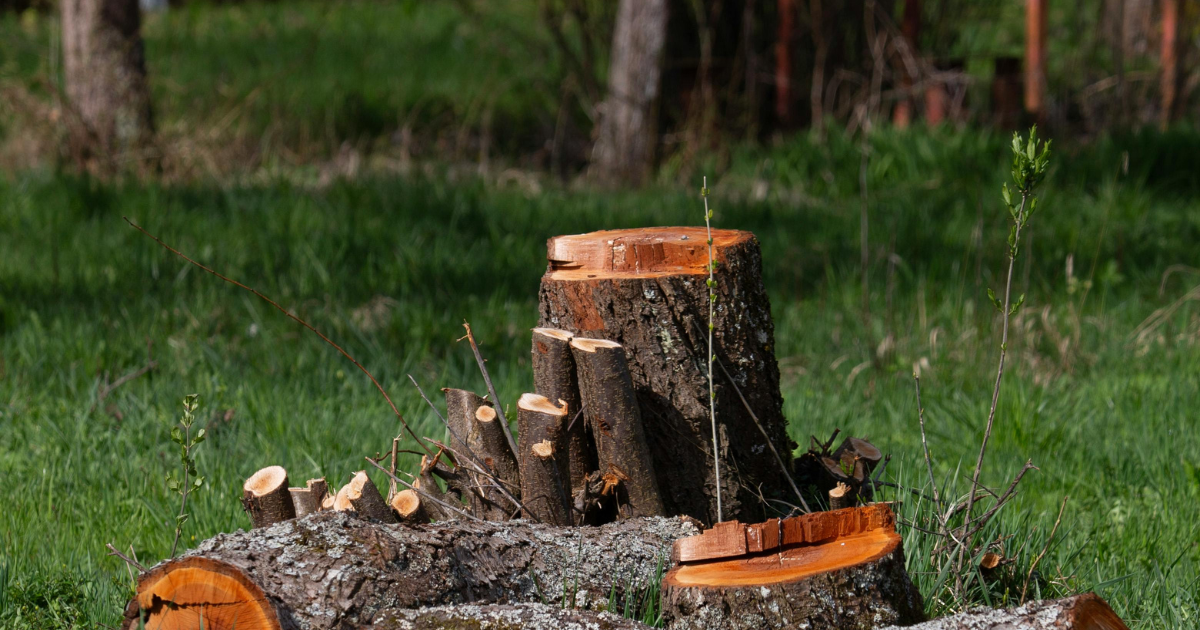
Read on to know, is tree removal tax deductible? Learn when removal costs may qualify for tax relief for homeowners, rental properties, businesses, and storm damage.
Is tree removal tax deductible when a dead tree threatens your roof or a storm damages your yard?
The answer depends on why the tree was removed, how you use the property, and the tax rules that apply.
In the some countries, removing a tree from your personal yard is generally not tax deductible.
However, certain rental property, business, and disaster-related expenses may qualify for tax relief.
Imagine a large tree in your backyard starts leaning toward your house.
You hire a tree service to remove it before it falls.
Although the work protects your family and property, the cost does not automatically qualify for a tax deduction.
If you need help with a dangerous or damaged tree, tree removal Sudbury services can help you assess the tree and plan its removal.
Before claiming the expense, you should understand how tax rules treat different properties and removal costs.
When Is Tree Removal Tax Deductible?
Tree removal is not automatically tax deductible because it is necessary or expensive.
Your eligibility depends on the property’s use and the reason for removal.
Here are the main situations:
- Personal home: Routine tree removal is generally not deductible.
- Rental property: Qualifying maintenance costs may be deductible under local tax rules.
- Business property: Some removal costs may qualify as business expenses.
- Storm damage: Certain disaster-related losses may qualify for tax relief.
The rules differ between countries, so always check the laws that apply to your property.
1. Can Homeowners Deduct Tree Removal Costs?
If you own and live in your home, routine tree removal is generally not deductible on your United States federal income tax return.
This includes removing dead trees, clearing unwanted trees, or cutting down trees to improve your yard.
The Internal Revenue Service explains that personal, living, and family expenses are generally not deductible.
However, special rules may apply when your property suffers qualifying disaster damage or has a business use.
2. Is Tree Removal Tax Deductible After a Storm?
Sometimes, but strict rules apply.
Personal casualty losses are generally deductible in some locations only when they result from a federally declared disaster, subject to applicable requirements.
For example, if a storm knocks down a tree, you may need to pay for removal and cleanup.
That expense alone does not guarantee a deduction.
The Internal Revenue Service disaster guidance explains the rules for disaster-related property losses.
Keep your receipts, photographs, insurance records, and property assessments.
Insurance reimbursements may reduce the amount of any qualifying loss.
3. Can Rental Property Owners Deduct Tree Removal?

Tree removal costs for rental properties may qualify as deductible expenses when they meet the relevant tax rules.
For example, removing a dangerous tree to maintain a rental home may count as a repair or maintenance expense.
However, work connected to a major improvement may receive different tax treatment.
Some costs must be added to the property’s cost instead of deducted immediately.
The Canada Revenue Agency’s rental income guide explains the difference between current expenses and capital expenses for Canadian rental properties.
If you own a rental property in Ontario, ask a tax professional how to report the removal cost before filing your return.
4. Can Businesses Deduct Tree Removal?
Businesses may qualify for a deduction when tree removal is an eligible expense related to earning business income.
For example, a company may need to remove a dangerous tree from its commercial property to protect employees, customers, or equipment.
However, not every expense qualifies.
The purpose of the work and the property’s use matter.
The Internal Revenue Service’s Small Business Tax Guide explains the general rules for business expenses.
Keep an itemized invoice and a record explaining why the tree needed removal.
If the property has both personal and business uses, you may need to separate the costs.
5. Does Tree Removal Count as a Home Improvement?
Routine tree removal at a personal residence is generally not deductible.
However, removing trees as part of a larger construction or business property project may receive different treatment.
For example, clearing land to prepare for a new building may form part of the property’s preparation costs.
The Internal Revenue Service’s depreciation guide explains how certain business property costs may need to be capitalized rather than deducted immediately.
Before starting a major project, ask an accountant how to record the expense.
6. What Records Should You Keep?
If you believe tree removal may qualify for tax relief, keep documents that support your claim.
- Invoices: Record removal, hauling, stump grinding, and cleanup costs.
- Photographs: Show the tree’s condition or storm damage.
- Insurance records: Document payments and reimbursements.
- Arborist reports: Explain the tree’s condition and safety risks.
- Property records: Show whether the property is personal, rented, or used for business.
An arborist Sudbury property owners consult can assess tree health and safety concerns.
These records support your claim but do not automatically make the expense deductible.
7. Does Homeowners Insurance Cover Tree Removal?
Homeowners insurance may cover tree removal when a covered event, such as a windstorm or lightning strike, causes a tree to fall.
However, coverage depends on your policy and the damage caused.
For example, if a storm knocks a tree onto your roof, your policy may cover some removal costs and repairs.
If a dead tree falls without damaging an insured structure, coverage may be limited or unavailable.
The Insurance Information Institute explains how homeowners insurance may apply to fallen trees and related property damage.
Remember, insurance coverage and tax deductions are two different things.
Even if your insurer pays for removal, you cannot claim the reimbursed amount as a tax deduction.
Check your policy, save your invoices, and confirm any possible tax claim with a qualified tax professional.
Conclusion
So, is tree removal tax deductible?
Sometimes, but it depends on your circumstances.
Routine removal at your personal home is generally not deductible in some countries, while certain rental, business, and qualifying disaster-related expenses may qualify for tax relief.
Check your local tax rules, keep your receipts, and speak with a qualified tax professional before claiming the expense.
Disclaimer: This article provides general information, not tax or legal advice. Tax rules vary by country and may change.