Does Homeowners Insurance Cover Heat Pumps?
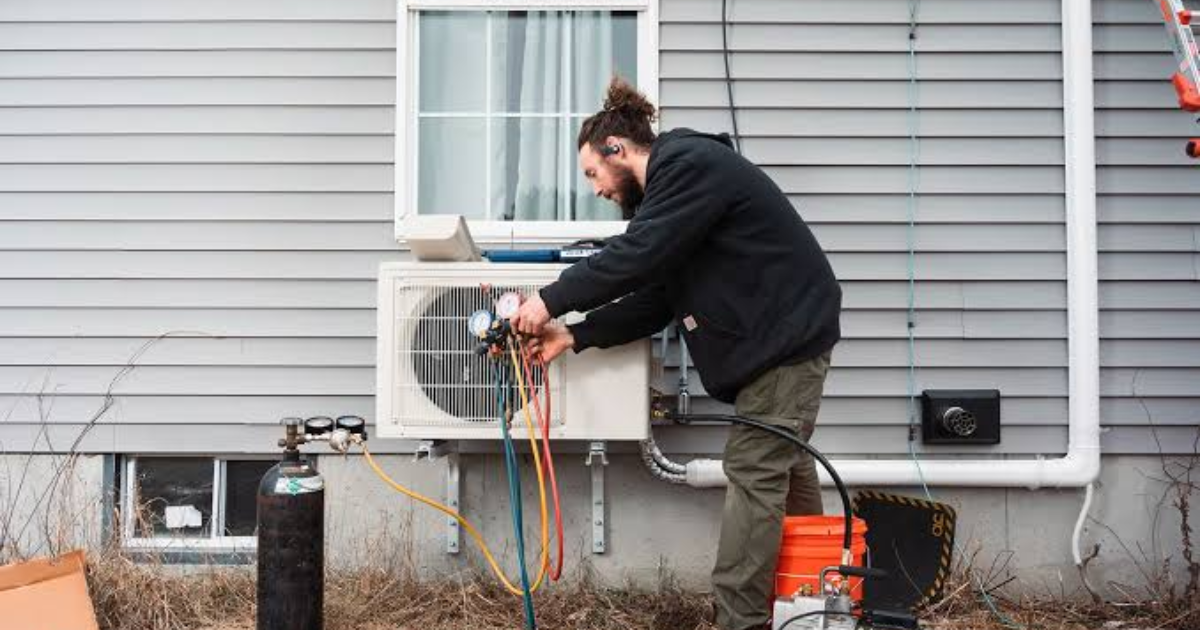
Does homeowners insurance cover heat pumps? Learn when heat pump damage may be covered, what exclusions apply, and what to check before filing a claim.
Does homeowners insurance cover heat pumps?
Sometimes, but not in every situation.
It depends on why the heat pump was damaged, what your policy covers, and whether the problem is sudden damage or normal wear and tear.
For instance, a heat pump damaged by a covered event such as fire, lightning, or another insured peril may qualify for coverage.
But if the unit simply stops working because it is old, worn out, or poorly maintained, your policy may not pay for the repair or replacement.
That distinction matters when a heating system fails unexpectedly.
A trusted professional HVAC contractor can help to assess the heat pump, identify the issue, and recommend the right repair or replacement option.
Knowing the difference between an insured loss and routine maintenance can save you from an unexpected bill.
Here is what homeowners should look at before making a claim.
When Homeowners Insurance May Cover a Heat Pump
Homeowners insurance is generally designed to cover sudden and accidental damage caused by covered events, rather than normal equipment breakdown.
The Insurance Bureau of Canada explains that home insurance is based on insured “perils,” such as fire, lightning, wind, and certain types of sudden accidental damage.
A heat pump may therefore be covered when the damage results from a covered event.
Examples can include:
- Fire damage that destroys the heat pump
- Lightning or electrical damage, when covered by the policy
- Certain weather-related damage, depending on the policy
- Sudden accidental damage caused by an insured event
- Damage to other parts of the home caused by a covered heat-pump-related incident
However, coverage is never automatic.
Your policy’s exclusions, limits, deductible, and type of coverage all matter.
When Homeowners Insurance Usually Does Not Cover It
The answer to does homeowners insurance cover heat pumps is often no when the problem is simply the result of age or maintenance.
A heat pump contains mechanical and electrical components that can wear out over time.
Insurance generally does not work like a service contract that pays for routine repairs.
Common situations that may not be covered include:
- Normal wear and tear
- Age-related failure
- Lack of maintenance
- Gradual deterioration
- Corrosion or rust, depending on the policy
- A component failing because it has reached the end of its useful life
The National Association of Insurance Commissioners states that homeowners insurance is not a maintenance contract and generally does not pay to repair items that simply wear out.
This is like other home systems.
If an older furnace stops working because its parts have worn out, you would normally look at maintenance or repair options rather than assume your homeowners policy will pay.
What If a Heat Pump Breaks and Causes Other Damage?
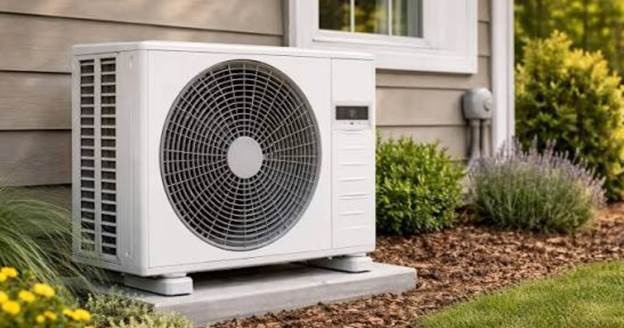
This is where things might get confusing.
Suppose your heat pump stops working during cold weather.
The failed unit itself may not be covered if the breakdown resulted from wear and tear.
But the situation could create additional damage to the home.
For example, a heat pump failure could contribute to frozen pipes.
If those pipes later burst, the policy may cover the resulting water damage if the policy’s conditions are met.
The Insurance Bureau of Canada specifically notes that when a furnace or heat pump breaks down and frozen pipes result, home insurance may cover the resulting damage, but not the cost of repairing the furnace or heat pump itself.
So, there can be a difference between:
The failed equipment: May not be covered.
Damage caused by the failure: May be covered, depending on the policy and circumstances.
That distinction is important when deciding whether to file a claim.
Does Heat Pump Maintenance Affect Insurance Coverage?
Maintenance can matter.
Insurance policies generally expect homeowners to take reasonable steps to protect their property.
Predictable damage caused by poor maintenance may be excluded.
Regular maintenance can also help you identify problems before they become larger repairs.
Depending on the system, this may include:
- Cleaning or replacing filters
- Keeping outdoor components free of debris
- Checking for unusual noises or performance changes
- Having the system inspected when needed
- Addressing small problems before they cause damage
The Financial Consumer Agency of Canada notes that home insurance generally does not cover predictable events or damage related to poor maintenance.
The same principle applies when you are dealing with other heating equipment, including situations where furnace repair becomes necessary because of normal wear.
What About Equipment Breakdown Coverage?
Standard homeowners insurance and equipment breakdown coverage are not necessarily the same thing.
Some policies may offer additional coverage or endorsements for equipment breakdown.
The exact protection depends on the insurer and policy.
This type of coverage can be important because a heat pump can fail mechanically or electrically without any obvious external event such as fire or wind.
Before assuming your policy covers a broken heat pump, check whether it includes:
- Equipment breakdown coverage
- Mechanical or electrical breakdown protection
- Service or home-system endorsements
- Specific exclusions for heating and cooling equipment
The National Association of Insurance Commissioners recommends asking insurers directly whether a policy covers equipment breakdown, deterioration, or wear and tear.
What Happens If Your Heat Pump Is Damaged?
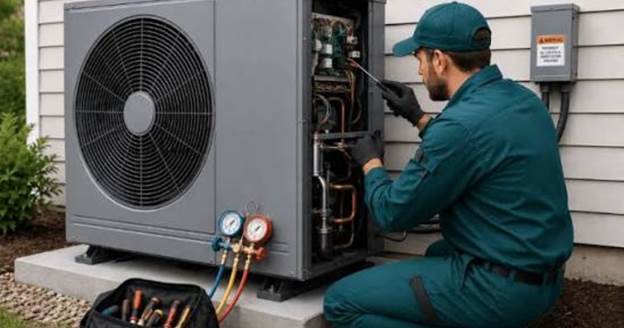
If you think your heat pump has suffered damage from a covered event, take a few practical steps.
- Make the situation safe. Turn off the equipment if continuing to run it could cause more damage.
- Document the damage. Take photos and keep records of what happened.
- Keep repair records and receipts. These may help support your claim.
- Check your policy. Look at covered perils, exclusions, deductibles, and limits.
- Contact your insurer. Ask whether the incident may qualify before assuming it is covered.
- Get a professional assessment. A qualified HVAC contractor can help identify the cause of the failure.
Avoid replacing the entire system before speaking with your insurer if the damage may be part of a claim.
Your insurer may want to inspect the equipment or review the cause of the loss first.
Conclusion
So, does homeowners insurance cover heat pumps?
It can, but coverage usually depends on the cause of the damage rather than the heat pump itself.
A heat pump damaged by a covered event may qualify for insurance.
A unit that simply fails because of age, wear, or poor maintenance usually will not.
The safest approach is to check your policy before a problem occurs.
Knowing whether you have standard homeowners coverage, equipment breakdown protection, or another endorsement can help you understand what you may have to pay yourself if the system fails.