How Often Should a Residential Roof Be Inspected?
How often should a residential roof be inspected? Learn the recommended inspection schedule, warning signs, storm checks, and what a roof inspection covers.
How often should a residential roof be inspected?
A yearly professional inspection is a good rule for many homes, but waiting a full year is not always wise.
A roof can develop damage after a major storm, show wear as it ages, or develop a small leak that is not visible from the ground.
The mistake many homeowners make is treating a roof inspection as something they only need when there is a leak.
In reality, regular checks can help spot problems before they affect the attic, ceilings, insulation, or other parts of the home.
For many homes, a professional roof inspection once a year is a sensible maintenance schedule.
Older roofs and roofs exposed to severe weather may need more frequent attention.
Even professionals who work across different roofing systems, such as a Commercial roofing contractor College Station, understand that regular roof checks are part of good property maintenance.
So, what inspection schedule makes sense for a residential roof?
How Often Should a Residential Roof Be Inspected?
For most homeowners, a professional roof inspection once a year is a sensible starting point.
However, the right schedule depends on several factors:
- Roof age: Older roofs may need closer attention.
- Roof material: Different materials have different wear patterns and service needs.
- Weather exposure: Strong wind, hail, heavy rain, snow, or extreme heat can increase damage.
- Trees near the home: Falling branches and constant shade can create roof problems.
- Previous repairs: Areas that have already had problems deserve closer monitoring.
- Roof design: Valleys, skylights, chimneys, vents, and roof-wall intersections can be more vulnerable to water intrusion.
The National Roof Certification and Inspection Association recommends a professional roof inspection once a year, while noting that roof age, climate, and recent severe weather can affect how often an inspection is needed.
That does not mean every roof needs a major repair each year.
An inspection is about finding out what condition the roof is actually in.
When Should You Inspect Your Roof More Often?
A yearly inspection should not be treated as a maximum interval.
You should arrange an inspection sooner if your roof has been exposed to a major storm or another event that could cause damage.
Look for signs such as:
- Missing, cracked, curled, or damaged shingles
- Loose or damaged roofing materials
- Sagging areas
- Water stains on ceilings or walls
- Dampness or unusual odors in the attic
- Damaged flashing around roof openings
- Blocked or damaged gutters
- Visible damage around chimneys, skylights, or vents
After a major storm, FEMA recommends having damaged property professionally inspected before attempting cleanup or repairs.
It also stresses that the roof is one of the home’s main defenses against wind and rain.
If you notice damage after a storm, do not wait for your next yearly inspection.
What Does a Residential Roof Inspection Check?
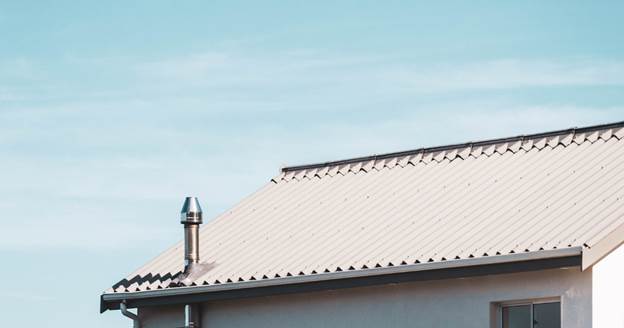
A proper inspection is more than looking at a few shingles from the driveway.
A qualified inspector should assess the roof covering and look for signs of damage, wear, water entry, and areas that may become problems later.
Important areas can include:
1. Roof covering
The inspector checks for missing, broken, loose, curled, or worn roofing materials.
2. Flashing
Flashing around chimneys, vents, skylights, walls, and other roof openings deserves close attention.
These areas can allow water into the home when they are damaged or poorly sealed.
The U.S. Department of Energy notes that roof-wall intersections and roof penetrations are particularly vulnerable to water intrusion.
3. Roof valleys
Valleys carry a large amount of rainwater toward the drainage system.
Because of this, they need careful inspection for damage and water-management problems.
4. Attic and interior signs
Some roof problems are easier to spot from inside the home.
Water stains, damp insulation, mold-like growth, or damaged wood can point to a roof leak.
The Department of Energy recommends checking areas around skylights for water stains and other signs of infiltration.
5. Drainage
Gutters and downspouts help move water away from the roof and home.
The University of Georgia Cooperative Extension recommends checking gutters, flashing, the roof surface, soffits, and signs of leaks as part of routine home maintenance.
Does an Older Roof Need More Frequent Inspections?
Roof age and condition can affect insurance coverage, and older roofs may receive different coverage terms.
The Texas Department of Insurance also recommends having a roof inspector check the roof every few years to identify problems early.
An older roof does not automatically mean you need a replacement.
An inspection can help determine whether the better choice is maintenance, repair, or eventual replacement.
For example, a small, damaged area may only need repair.
A roof with widespread deterioration may need a different plan.
Why Regular Roof Inspections Matter

The main benefit is catching problems while they are still manageable.
A small roof defect can allow water into areas you cannot see.
Over time, moisture can damage insulation, encourage mold growth, and contribute to structural deterioration.
The Department of Energy identifies roof leaks as a significant source of moisture-related problems in roof assemblies.
Regular inspections can also give you useful records of your roof’s condition.
This can be helpful when planning maintenance, repairs, or future replacement.
If a roof needs repair, dealing with the problem early may also prevent a small issue from becoming a much larger one.
This applies whether you are arranging residential roofing work or seeking help with Commercial roof repair College Station for a separate commercial property.
Conclusion
So, how often should a residential roof be inspected?
For many homes, once a year is a strong baseline, with additional inspections after significant storms or whenever warning signs appear.
The important point is not to wait for water to drip from the ceiling before paying attention to the roof.
Regular inspections give you a better chance of finding damage early, planning repairs properly, and getting more useful years from your roofing system.
A roof does its job quietly every day.
A little attention along the way can help keep it that way.