Will Plumbers Be Replaced by AI? The Future of Plumbing
Read on to know will plumbers be replaced by AI? Learn how automation, smart tools, and robotics may change plumbing jobs and why human skills still matter.
Will plumbers be replaced by AI?
It is a fair question as more businesses start using smart technology to save time and reduce costs.
But think about what happens when a pipe bursts in your home at midnight.
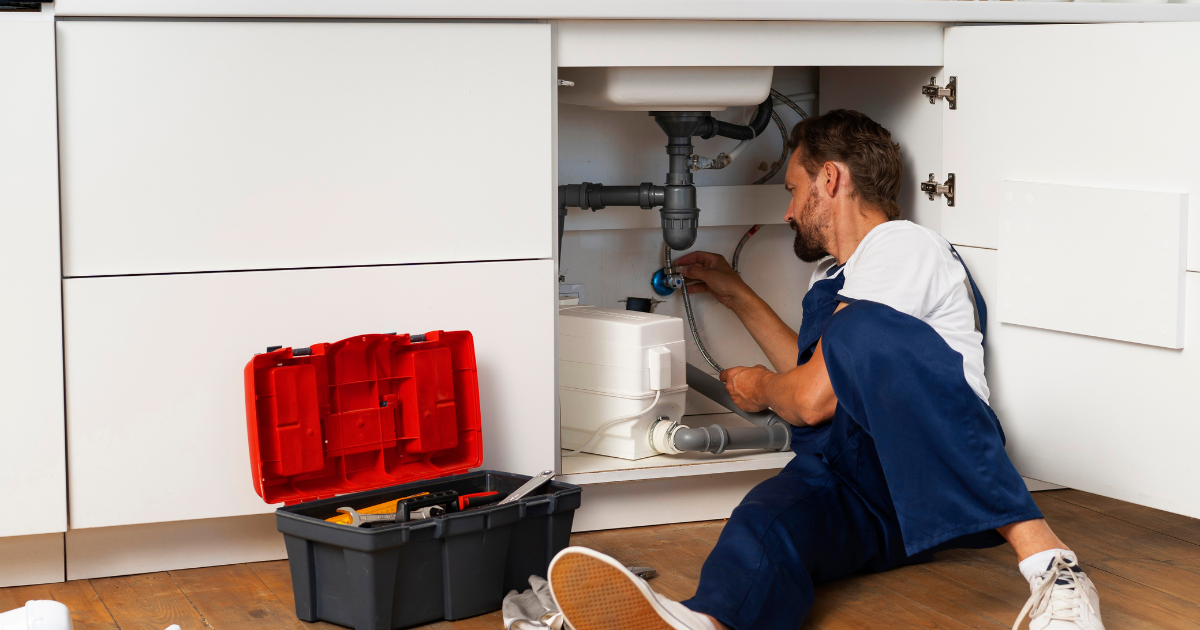
You need someone who can find the leak, understand the pipe system, and fix the problem before it causes serious damage.
A professional Columbus Emergency Plumber like this can use modern tools to respond faster, but it still takes skilled hands and practical experience to diagnose urgent plumbing problems and deliver reliable repairs when homeowners need help most.
Technology may help plumbers find faults faster, plan repairs, and serve customers better.
However, plumbing involves much more than reading data or following instructions.
It requires physical work, careful judgment, and the ability to handle problems that differ from one building to another.
While smart tools may change how plumbers work, they cannot easily replace the people who install, repair, and maintain water systems.
The important question is how much of the job technology can take over.
Why AI Cannot Easily Replace Human Plumbers
Plumbing is a hands-on profession.
A plumber does more than look at a pipe and decide what needs fixing.
They must inspect the area, find the cause of the problem, choose the right tools, and complete the repair safely.
Think about a leaking pipe hidden behind a wall.
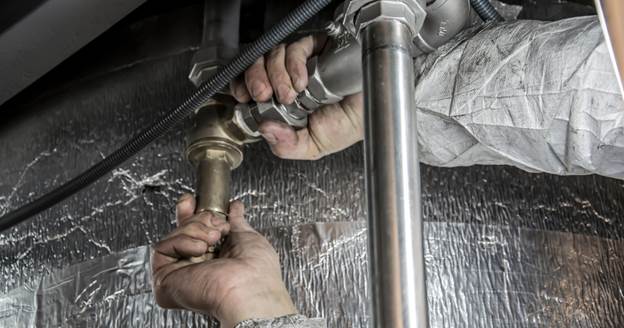
Software may help identify signs of a leak, but someone still needs to locate the damaged pipe, reach it, and replace or repair it.
According to the U.S. Bureau of Labor Statistics, plumbers install and repair piping systems, read building plans, prepare cost estimates, and follow building codes.
These responsibilities require skills that technology cannot fully replace.
Human plumbers remain important because they provide:
- Hands-on repairs: Cutting, joining, and replacing pipes require physical skills.
- Problem-solving: Similar plumbing problems may have different causes.
- Safety decisions: Plumbers must follow building codes and check that systems work safely.
- Physical work: Many jobs involve tight spaces, heavy equipment, and underground pipes.
- Customer service: Homeowners need someone who can explain problems and recommend suitable repairs.
What Plumbing Tasks Can AI Automate?
Although AI cannot perform every plumbing job, it can help with tasks that take up a plumber’s time.
Here are four areas where it can make a difference.
1. Appointment scheduling
AI-powered tools can book appointments, send reminders, and answer common customer questions.
This reduces the time plumbing businesses spend handling routine calls.
2. Preparing repair estimates
Some software can help calculate material costs, labor hours, and project estimates.
However, a plumber must inspect the property and confirm the final cost.
3. Finding plumbing problems
Smart inspection tools can collect information about possible leaks, blockages, and pipe damage.
Plumbers can use this information to decide where further inspection is needed.
4. Managing business records
AI can help organize invoices, customer details, service reports, and repair history.
This makes daily business tasks easier to manage.
The International Labour Organization’s 2025 research on generative AI and jobs found that most jobs exposed to generative AI are more likely to change than disappear completely because many tasks still need human input.
This supports the point that automating some plumbing business tasks does not mean replacing the plumber.
Can Robots Replace Plumbers in Physical Jobs?
Robots can already help with certain inspection and construction tasks.
For example, pipe inspection robots can travel through sewer lines, capture images, and help workers locate cracks or blockages.
However, finding a problem is not the same as fixing it.
Imagine a robot finds a damaged sewer pipe beneath a concrete floor.
Someone must still decide how to reach the pipe, remove the damaged section, install a replacement, and test the system.
Robots also face limits when working in spaces with different layouts, obstacles, and changing conditions.
The National Institute of Standards and Technology has documented how construction robots are used and developed for different building tasks.
This shows that robotics can support construction work, but it does not mean every physical task can be automated.
For now, human workers remain essential for many plumbing installations and repairs.
How AI Is Changing the Plumbing Industry
AI and smart technology are already useful in several areas of plumbing.
Here are some practical examples:
- Water leak detection: Smart sensors can alert property owners when they detect unusual water flow or moisture.
- Drain cleaning: Inspection cameras help plumbers locate blockages and choose suitable cleaning methods.
- Water heater installation: Digital tools can help with equipment selection, job planning, and cost estimates.
- Pipe inspections: Camera systems help identify cracks, corrosion, and other pipe damage.
- Business management: AI can organize bookings, customer messages, and service records.
The United States Environmental Protection Agency’s WaterSense program explains how leak detection and flow monitoring devices can identify unusual water use and alert homeowners to possible leaks.
Some systems can even connect to automatic shut-off valves.
However, when a pipe needs repair or a new device requires installation, a qualified plumber may still be needed.
Will AI Create New Opportunities for Plumbers?
Yes.
As homes and businesses use more smart water systems, plumbers may find new opportunities to install, inspect, and maintain these devices.
For example, smart leak detectors, automatic shut-off valves, and connected water systems need proper installation and maintenance.
The Occupational Information Network (O*NET) lists tasks such as installing water heaters, repairing pipes, inspecting plumbing systems, and installing automatic controls among the duties of plumbers.
This shows that the profession already involves both traditional repair work and modern equipment.
The U.S. Bureau of Labor Statistics projects 7% employment growth for plumbers, pipefitters, and steamfitters between 2025 and 2035, with about 42,000 job openings each year on average in the United States.
These figures suggest continued demand for skilled trade workers.
Will Plumbers Be Replaced by AI in the Future?
Will plumbers be replaced by AI completely?
It is unlikely.
Technology will continue to change how plumbing businesses operate, but physical repairs, installations, and complex inspections still require human skills.
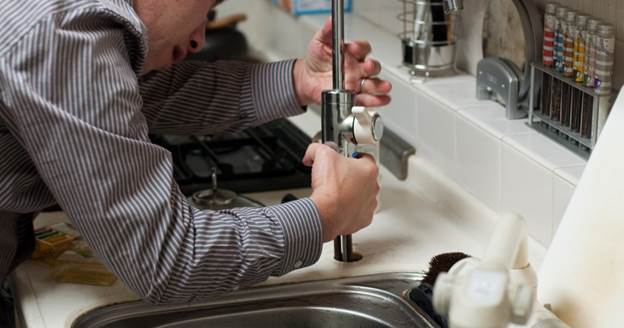
A computer can help identify a possible leak, but someone must check the damage and decide how to repair it.
The same applies to drain cleaning, water heater installation, and sewer line repairs.
The future of plumbing will likely favor workers who combine practical experience with knowledge of modern technology.
Conclusion
AI may change the plumbing profession, but it is unlikely to remove the need for human plumbers.
Smart tools can save time, improve inspections, and help businesses serve customers.
However, they cannot easily replace the judgment, physical skills, and experience needed to repair real plumbing problems.
If you are considering a plumbing career, learning how to use modern tools can help you stay relevant.
For plumbing businesses, adopting useful technology can improve daily operations without losing the human skills customers still need.