Are Teeth Whitening Strips Good for Your Teeth?
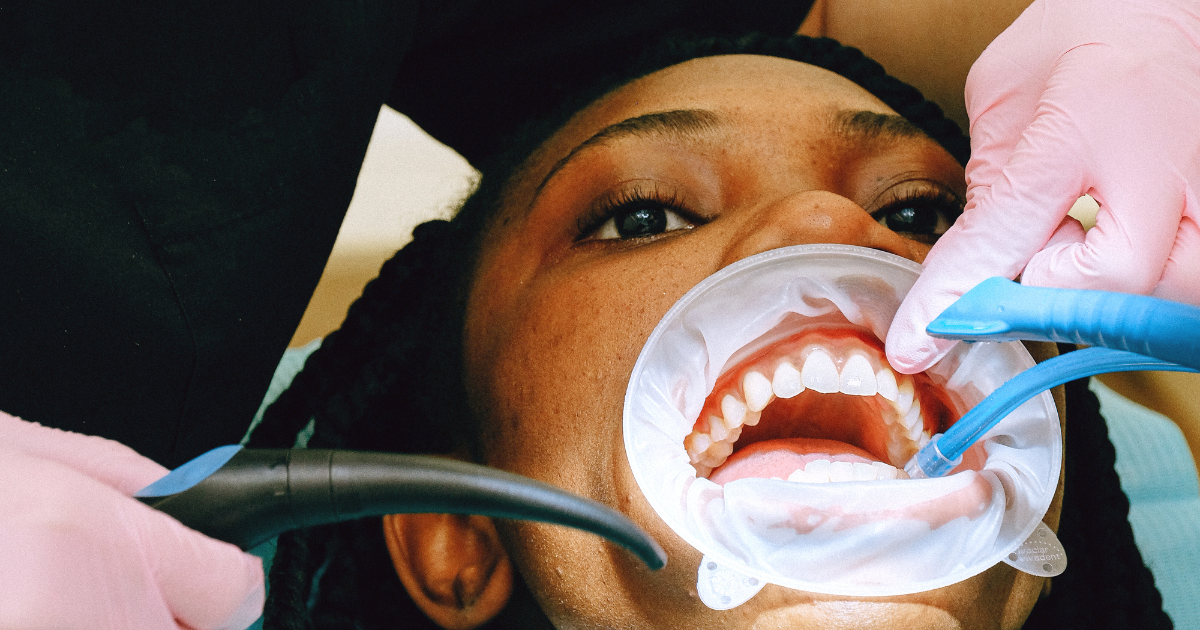
Want to know are teeth whitening strips good for your teeth? Learn how they work, their benefits, possible side effects, and how to use them safely.
You brush your teeth every day, but your smile may still look yellow or stained.
Coffee, tea, certain foods, and natural changes in your teeth can all affect their color.
Whitening strips may seem like an easy way to brighten your smile at home without spending money on a dental visit.
But are teeth whitening strips good for your teeth, or could they cause more harm than good?
The answer depends on the product you choose, how you use it, and the condition of your teeth and gums.
Whitening strips can help remove certain stains, but they may also cause tooth sensitivity or gum irritation.
Using them too often can make these problems worse.
Before you buy a pack, it helps to know what whitening strips contain, who should avoid them, and when you should ask an orthodontist or other dental professional for advice.
Your goal should be to have a brighter smile without harming your oral health.
How Do Teeth Whitening Strips Work?
Teeth whitening strips are thin, flexible pieces of plastic coated with a whitening gel.
Most products use hydrogen peroxide or carbamide peroxide to lighten stains on natural teeth.
You place the strips over your teeth for the time stated on the package.
The active ingredient works on colored compounds that make your teeth look yellow or dark.
According to the American Dental Association (ADA), peroxide-based products can change tooth color by breaking down stain compounds.
Whitening strips may help with stains caused by coffee, tea, and other foods.
However, they will not change the color of crowns, veneers, fillings, or dental implants.
Are Teeth Whitening Strips Good for Your Teeth?
Yes, whitening strips can be safe for many adults when you use a suitable product as directed.
However, they are not right for everyone.
The UK National Health Service (NHS) advises getting professional guidance because whitening products can cause sensitivity and gum irritation, especially when used incorrectly.
Here are the main benefits and risks.
Benefits of Whitening Strips
- They are convenient. You can use them at home without booking a whitening appointment.
- They can lighten some stains. Peroxide helps change the color of many stains on natural teeth.
- They are easy to apply. Most products come with instructions that explain how long to wear the strips.
- They offer another whitening option. You can compare them with whitening toothpaste or professional treatment.
Possible Risks and Side Effects
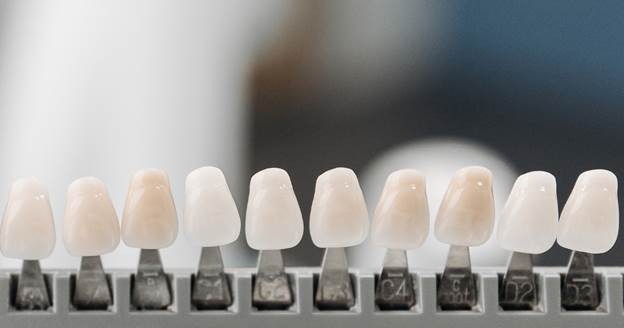
- Tooth sensitivity: Your teeth may feel sharp or uncomfortable when you eat or drink something hot or cold.
- Gum irritation: The gel may irritate your gums if the strips overlap them or the product leaks.
- Uneven whitening: Teeth with different types of stains may not change color at the same rate.
- Overuse: Wearing strips longer than instructed or using them too often can increase discomfort and irritation.
The Cleveland Clinic’s teeth-whitening information also discusses sensitivity and gum irritation as possible effects of whitening treatments.
If you develop strong pain or ongoing irritation, stop using the strips and contact a dentist.
Who Should Avoid Teeth Whitening Strips?
Whitening strips may not be a good choice if you already have dental problems or sensitive teeth.
Speak with a dentist before using them if you have:
- Untreated cavities or cracked teeth.
- Gum disease or sore gums.
- Severe tooth sensitivity.
- Dental work on your front teeth.
- A history of strong reactions to whitening products.
Children and teenagers should not use whitening products unless a dental professional advises that they are suitable.
If your teeth have darkened suddenly or only one tooth has changed color, get it checked first.
The cause may need treatment rather than whitening.
The U.S. Food and Drug Administration (FDA) provides information on dental devices and product safety.
Check the product label, follow its directions, and ask a dental professional if you are unsure whether a product is suitable for you.
How to Use Teeth Whitening Strips Safely
If you decide to use whitening strips, a few basic steps can help lower the risk of side effects.
- Read the instructions. Check how long to wear the strips and how often to use them.
- Choose a suitable product. Buy from a trusted seller and check the ingredients and safety information.
- Keep the gel off your gums. Place the strips carefully and avoid pushing them onto soft tissue.
- Do not leave them on longer. Extra time will not always give you better results and may increase sensitivity.
- Stop if you feel pain. Give your teeth a break and seek dental advice if the discomfort continues.
Avoid using several whitening products at once.
For example, combining whitening strips with strong whitening gels may increase irritation without giving you a better result.
Are Whitening Strips Better Than Professional Teeth Whitening?
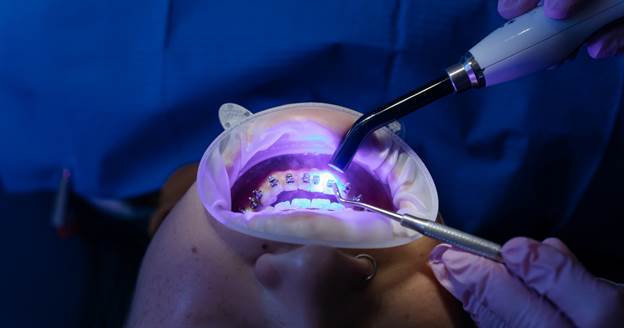
Neither option is best for everyone.
Your choice depends on your budget, the type of stains you have, and how quickly you want results.
| Whitening strips | Professional whitening |
| Used at home | Provided by a dental professional |
| Usually costs less | Usually costs more |
| Results may take days or weeks | Some treatments produce results in one visit |
| Less direct supervision | Your teeth and gums can be checked before treatment |
A cosmetic dentist can help you choose a suitable method and explain what results are realistic for your teeth.
If you are also considering Invisalign, remember that teeth straightening and whitening serve different purposes.
Your dentist can help you decide when whitening fits best into your treatment plan.
How Can You Keep Your Teeth White?
You can help maintain your results by brushing twice a day with fluoride toothpaste, cleaning between your teeth daily, and attending regular dental checkups.
If you drink coffee or tea often, rinsing your mouth with water afterward may help reduce surface stains.
Avoid tobacco, which can discolor your teeth and harm your gums.
Remember that whitening strips do not replace good oral care.
Healthy teeth matter more than achieving the whitest possible shade.
Conclusion
Finally, are teeth whitening strips good for your teeth?
They can be a safe and useful option for many adults when used correctly, but they can also cause sensitivity and gum irritation.
Choose a suitable product, follow the instructions, and avoid using strips on teeth with untreated problems.
If you have sensitive teeth, existing dental work, or unexplained discoloration, ask a dentist for advice first.
A brighter smile is a reasonable goal, but protecting your teeth and gums should always come first.