Are Roofing Shingles Toxic? A Practical Safety Guide
Are roofing shingles toxic? Learn what asphalt shingles contain, when they may pose health risks, and how to handle old roofing safely.
When you look at your roof, you probably think about leaks, storms, and how long the shingles will last. You may not think about what those shingles are made of.
But if you are replacing an old roof or choosing materials for a new one, it is reasonable to ask, are roofing shingles toxic?
Modern asphalt shingles are generally safe when they are properly installed and left intact.
The bigger concerns come from certain roofing materials, heated asphalt, dust, and older shingles that may contain asbestos.
These risks matter most during roof installation, repair, and removal rather than normal day-to-day use.
For example, if you are comparing materials for a commercial property, a Commercial roofing contractor College Station may need to consider both the roofing system and how old materials will be removed.
Knowing where the real risks are can help you make safer choices and avoid unnecessary worry.
Are roofing shingles toxic?
Modern asphalt shingles are generally not toxic when they are intact and used as intended.
Most asphalt shingles contain:
- A fiberglass mat for strength
- Asphalt for waterproofing
- Mineral granules for surface protection
- Small amounts of other materials that improve performance
These materials are designed to stay on your roof. Simply living under an intact asphalt shingle roof does not normally expose you to dangerous levels of harmful chemicals.
The concern changes when shingles are heated, cut, broken, removed, or badly damaged.
Can roofing shingles release harmful fumes?
Yes, certain roofing work can produce fumes.
The main concern is usually heated asphalt, not the finished shingles sitting on your roof.
OSHA notes that asphalt fumes can cause irritation of the eyes, nose, throat, and lungs.
Workers may also experience headaches, dizziness, or skin irritation after higher exposure.
This is why roofing crews need proper safety practices when working with hot asphalt or other materials that produce fumes.
For most homeowners, this is a short-term construction issue rather than a constant problem with the finished roof.
Can old shingles contain asbestos?
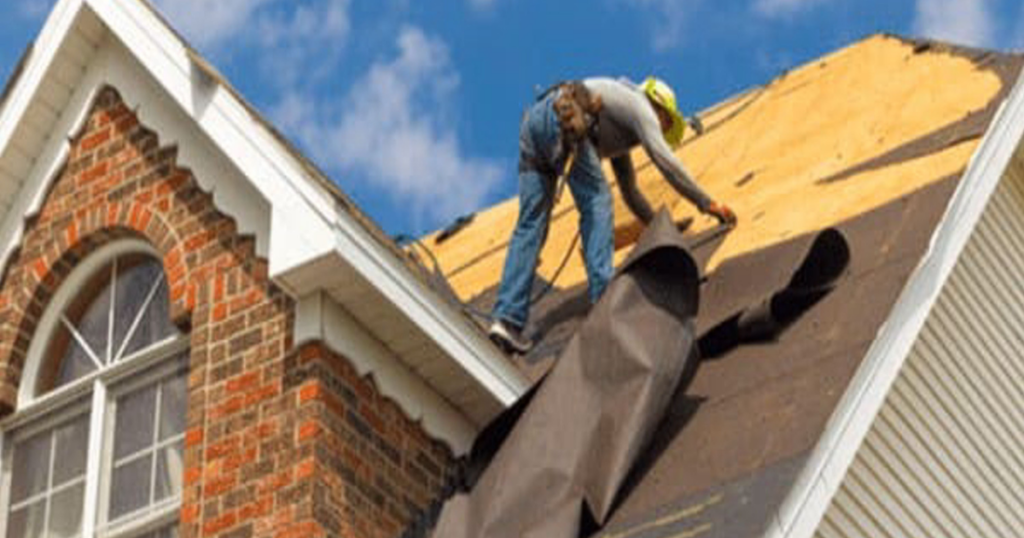
This is one of the most important things to know when dealing with an older roof.
Some older roofing products contained asbestos. The material was valued because it was strong, durable, and resistant to heat.
An asbestos-containing roof is not automatically dangerous just because it is old. The bigger risk occurs when asbestos material is disturbed and fibers become airborne.
You should not:
- Break old shingles unnecessarily
- Saw or drill suspected materials
- Sand roofing materials
- Remove suspected asbestos without proper precautions
You also cannot reliably tell whether a shingle contains asbestos just by looking at it.
If you have an older roof and suspect asbestos, testing by a qualified professional may be appropriate before removal.
The U.S. Environmental Protection Agency says asbestos materials that are in good condition and left undisturbed are unlikely to present a health risk.
Are new roofing shingles safe around your family?
For normal residential use, yes, modern shingles are generally considered safe.
You do not usually need to worry about your children or pets being exposed to toxic materials simply because your house has asphalt shingles.
However, roofing work creates a different situation.
During installation or replacement, you may have:
- Roofing dust
- Small pieces of shingles
- Loose nails
- Adhesive odors
- Asphalt fumes
- Construction debris
Keep children and pets away from the work area until the job is finished and the debris has been removed.
Why do new shingles smell?
New shingles can have a noticeable asphalt smell, especially during hot weather.
That smell does not automatically mean your roof is releasing dangerous amounts of toxic chemicals.
Asphalt is part of the shingle, so some odor is normal when the material is new or becomes hot.
Still, strong odors can bother some people. If roofing work is taking place close to an occupied building, good ventilation can help reduce exposure to fumes and odors.
If you develop strong or persistent symptoms such as breathing trouble, severe irritation, or dizziness, move away from the work area and seek appropriate medical advice.
Can roofing shingles affect indoor air quality?
An intact roof should not normally be a major source of indoor air pollution.
The greater concern is during construction. Cutting, tearing off, or removing roofing materials can create dust and debris. Heated asphalt and some roofing products can also produce fumes.
This is especially important in commercial buildings where workers may remain inside during a roofing project.
If you are planning a Commercial roof replacement College Station, ask the contractor how the work will be separated from occupied areas and how dust and debris will be controlled.
What about roofing repairs?
A small repair usually creates less exposure than a complete roof replacement because fewer materials are disturbed.
Still, the type and age of the roof matter.
If you are arranging commercial roof repair College Station, ask whether the existing roofing material is known and whether any older material needs special handling.
For older commercial buildings, the contractor should know what materials are being removed before major work begins.
How should old roofing shingles be handled?
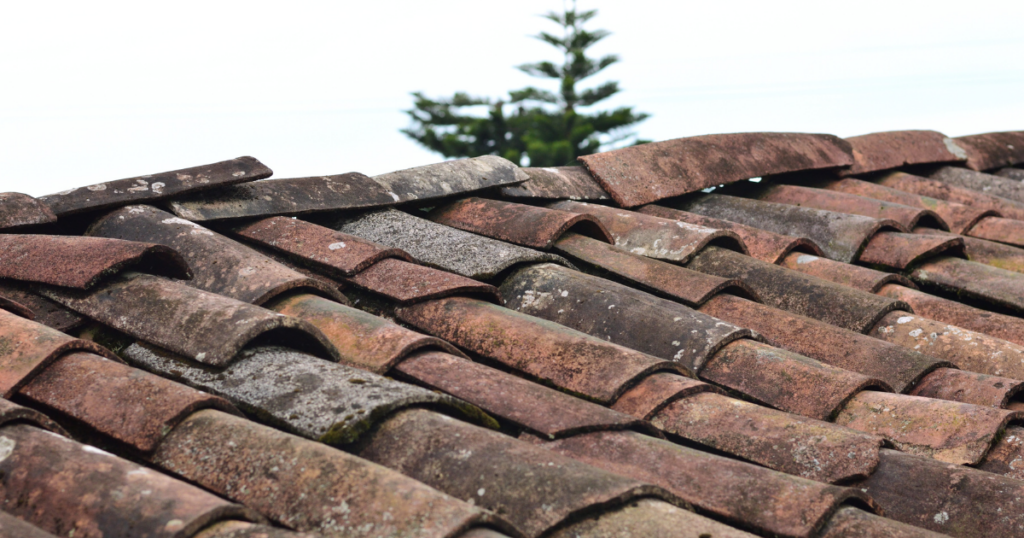
If you have an older roof, do not assume that every shingle is hazardous. At the same time, you should not disturb unknown materials without checking first.
A safer approach is to:
- Find out when the roof was installed.
- Ask what type of roofing material is present.
- Test suspicious older materials when needed.
- Use qualified workers for removal.
- Keep people and pets away from the work area.
- Dispose of roofing waste according to local requirements.
For larger projects, these steps can also matter when planning commercial roof replacement Bryan.
Are roofing shingles toxic when they are thrown away?
Roofing shingles are not normally treated as toxic waste simply because they are asphalt shingles.
However, old roofing waste can contain other materials that require special handling. Asbestos is the main concern with some older roofing products.
You should also avoid burning roofing shingles. Burning construction materials can release smoke and other pollutants, and roofing waste should be disposed of through the proper waste system.
Are roofing shingles toxic? The conclusion
So, are roofing shingles toxic?
Modern asphalt shingles are generally safe when they are intact, properly installed, and used as intended.
The bigger risks come from roofing work that creates fumes, dust, or debris and from older materials that may contain asbestos.
If you are replacing a roof, focus on three things:
- Know what material you have.
- Find out what material will be installed.
- Make sure old materials are removed safely.
For a normal modern roof, you do not need to panic about toxicity.
But when an older roof is being cut, damaged, or removed, taking the right precautions can protect you, your family, and the workers handling the job.