How to Become a Certified Arborist: Steps to Qualify
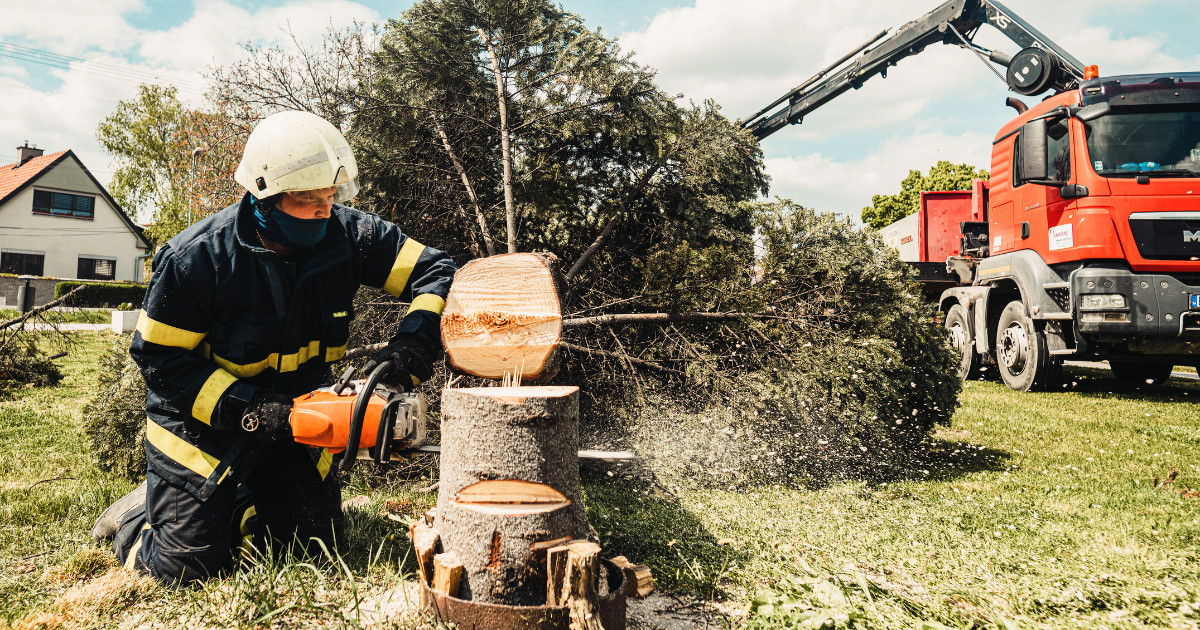
This guide explains how to become a certified arborists, including training, work experience, exam requirements, study tips, and career options.
How to become a certified arborists is a common question for people who enjoy working outdoors and want to build a career caring for trees.
But, what exactly does an arborist do?
An arborist does more than cut branches.
They study tree health, identify diseases, check for safety risks, and help trees grow well.
If you have ever seen a tree with dying branches and wondered what was wrong, this career may interest you.
Becoming certified can help you prove your knowledge and earn the trust of employers and customers.
For example, people seeking an arborist Kingston may want someone who understands tree health, safe work practices, and proper care.
Certification shows that you have studied key parts of the job, although practical skills remain important.
The path usually involves gaining hands-on experience, meeting the requirements of a recognized certification body, and passing an exam.
Your exact steps depend on the credential you want and where you plan to work.
1. Choose the Right Arborist Certification
The first step in learning how to become a certified arborists is choosing a recognized certification program.
One well-known option is the ISA Certified Arborist® credential from the International Society of Arboriculture (ISA).
It tests your knowledge of tree care and professional safety.
Other training programs focus on specific skills, such as climbing trees or working near power lines.
Choose a credential that matches the work you want to do.
Remember, a course completion certificate is not always the same as a professional arborist certification.
2. Gain Practical Tree Care Experience
You need real work experience to qualify for many professional certifications.
For the ISA Certified Arborist credential, the usual requirement is three years of full-time experience in arboriculture.
Some approved education programs can reduce this requirement.
The official ISA certification requirements explain the accepted options.
You can gain experience through:
- Tree care companies
- Nurseries and garden centers
- Landscaping businesses
- Parks and local government departments
- Forestry and tree health programs
Keep records of your work hours, duties, training, and employer details.
These records can help you prove that you meet the entry requirements.
3. Learn the Main Tree Care Skills
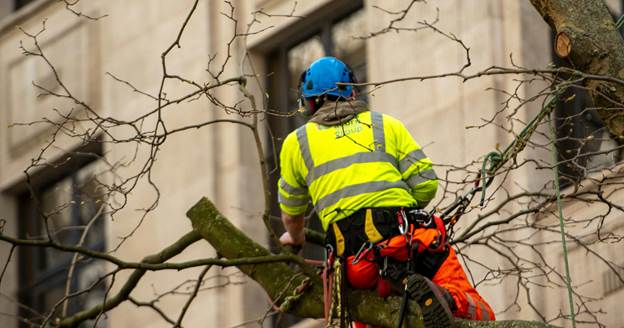
Knowing how to use a chainsaw is not enough to become a certified arborist.
You also need to understand why trees grow the way they do and how to keep them healthy.
The ISA exam covers topics such as:
- Tree biology: How trees grow and stay healthy.
- Tree identification: How to recognize different tree species.
- Pruning: How to remove branches without causing unnecessary harm.
- Tree health: How to spot pests, diseases, and decay.
- Tree risk: How to identify weak branches and other hazards.
- Safety: How to protect yourself, your team, and the public.
The Tree Care Industry Association also offers a free introductory safety course for people starting in arboriculture.
4. Apply for the Certification Exam
Once you meet the requirements, submit your application through the certification body’s official website.
For the ISA credential, you will generally need to provide:
- Proof of your work experience.
- Education records, if you are using an education-based entry option.
- Employer references or other supporting documents.
- The required application payment.
After your application is approved, you can enroll for an exam through an available testing option.
Check the ISA certification application page for the current rules and fees before applying.
5. Prepare for and Pass the Exam
A good study plan can make the exam less stressful.
Start with the official study materials, then focus on topics where you need more practice.
Use sample questions to test what you have learned.
Try these study habits:
- Study one topic at a time.
- Review tree care terms and safety rules.
- Practice identifying common tree problems.
- Take practice tests and review your mistakes.
- Connect what you read with skills you use at work.
Passing the exam shows that you have met the certification body’s knowledge requirements.
You should still follow safe work practices and keep building your practical skills.
6. Maintain Your Certification
Becoming certified is not the final step.
You may need to renew your credential and complete continuing education to keep it active.
For the ISA Certified Arborist credential, renewal generally requires continuing education credits over a three-year period, along with the applicable renewal requirements.
Check the ISA credential information for current renewal rules.
Keeping your knowledge up to date helps you respond to new tree care methods, safety practices, and research.
How Long Does It Take to Become a Certified Arborist?
The time depends on your education, work experience, and chosen credential.
If you are starting without tree care experience, you may need several years to meet the ISA Certified Arborist eligibility requirements.
Related education can shorten the experience requirement if it meets the program’s rules.
There is no single timeline for every arborist certification, so check the entry requirements before choosing a course.
What Career Opportunities Are Available for Certified Arborists?
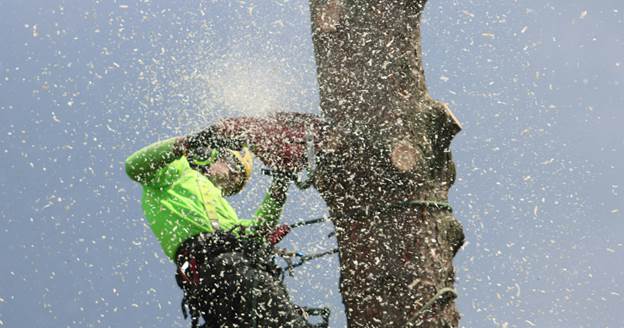
Another important part of learning how to become a certified arborists is knowing where the qualification can lead.
Your career options depend on your training, practical skills, and the needs of employers in your area.
Here are some paths you can consider:
- Tree care technician: Help with pruning, planting, tree inspections, and general tree care.
- Tree risk assessor: Inspect trees for signs of weakness, damage, or possible failure, within your training and qualifications.
- Climbing arborist: Work at height to prune branches and carry out tree care tasks using approved safety methods.
- Municipal arborist: Help manage trees in parks, streets, and other public spaces.
- Arborist consultant: Provide tree health assessments and written reports for property owners, developers, or other clients, when qualified.
- Tree care business owner: Start a company offering services such as pruning, planting, and tree removal.
For example, someone working in tree removal Kingston Ontario may begin as a ground worker, gain practical experience, earn a recognized certification, and later move into tree inspections or business management.
Keep in mind: Some roles require extra training, permits, or qualifications beyond basic arborist certification.
Working near power lines, for example, may require specific training and authorization.
Choosing a career path early can help you decide which skills to develop and which certification best supports your goals.
Conclusion
Learning how to become a certified arborists takes planning, practical experience, study, and a recognized credential.
Start by choosing a suitable certification, gaining hands-on experience, and checking the official entry requirements.
If you are serious about a career in tree care, focus on both knowledge and safety.
Those skills can help you build trust, improve your work, and grow professionally.