Can a Clogged Drain Cause Sewer Gas?
Can a clogged drain cause sewer gas? Learn why blocked drains create bad smells, how sewer gas enters your home, and how to fix the problem.
Can a clogged drain cause sewer gas to enter your home?
Yes, it can contribute to the problem, although the blockage is not always the direct cause.
Sometimes, trapped organic waste breaks down and produces unpleasant smells.
In other cases, a drainage blockage affects air pressure inside your plumbing system, which can disturb the water seal in a drain trap.
You might notice a rotten egg smell near your bathroom sink, shower, or kitchen drain.
It is easy to assume that you only have a dirty pipe, but the smell could point to a plumbing fault that needs attention.
Sewer gas can contain hydrogen sulfide, a gas known for its strong rotten egg smell.
If cleaning the drain does not solve the problem, an ontstoppingsbedrijf Utrecht (unblocking company Utrecht) can help identify the source.
To understand why this happens, you first need to know how your plumbing system keeps sewer gas out of your home.
What Is Sewer Gas?
Sewer gas is a mixture of gases produced when organic waste breaks down.
It can contain hydrogen sulfide, methane, ammonia, and other gases.
Hydrogen sulfide is one of its best-known components because it has a strong rotten egg smell.
The Agency for Toxic Substances and Disease Registry explains that bacteria breaking down organic matter can produce hydrogen sulfide.
Small amounts may cause unpleasant smells, but higher concentrations can be harmful.
How Can a Clogged Drain Cause Sewer Gas?
A clogged drain can contribute to sewer gas problems in three main ways.
1. Trapped Waste Produces Unpleasant Gases
When food scraps, hair, soap residue, and other organic materials collect inside a drain, bacteria begin breaking them down.
This process can produce foul-smelling gases.
A partly blocked drain may allow waste to remain inside longer, making the smell worse.
However, a bad drain smell does not always mean sewer gas is escaping from the main sewer line.
It may come from waste trapped inside the drain itself.
2. A Blockage Affects the Drain Trap
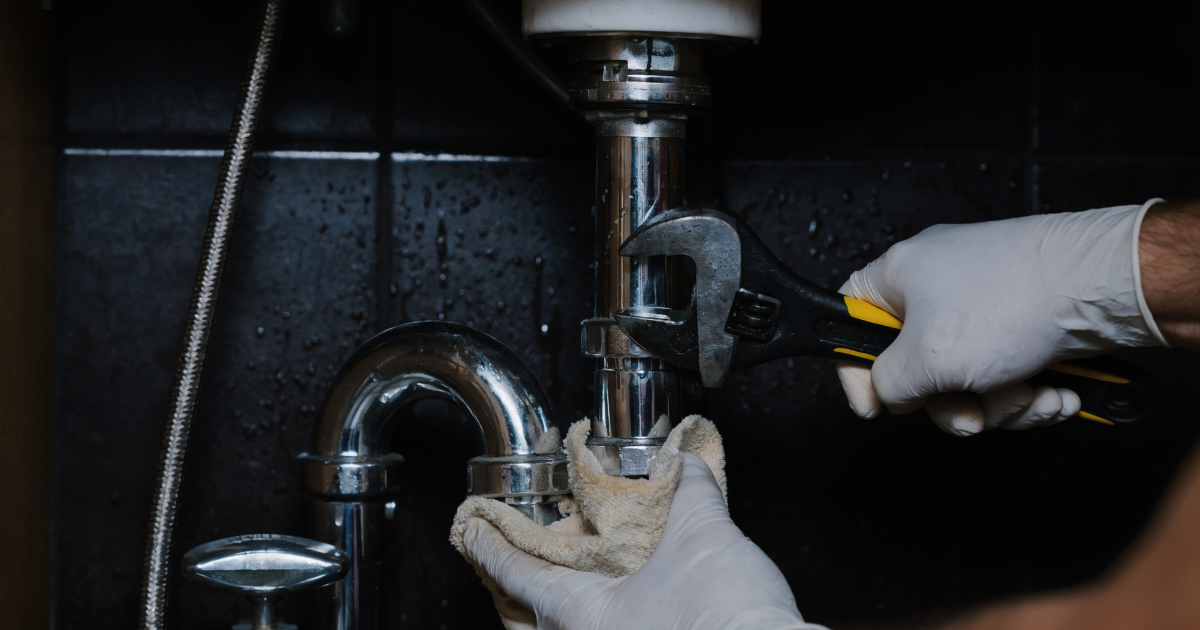
Most sinks and showers have a curved pipe called a P-trap.
It holds water that creates a seal between your home and the sewer system.
This water barrier prevents sewer gases from passing through the drain opening.
If the trap dries out or loses its water seal, sewer gas can enter your home.
A drainage blockage may contribute to pressure changes that disturb this seal.
The International Code Council explains that plumbing vents help protect drain trap seals from pressure changes.
3. A Blocked Plumbing Vent Affects Airflow
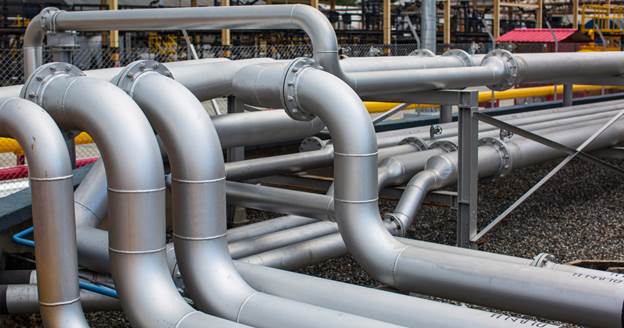
Your plumbing system has vent pipes that allow air to move through the drainage system.
When a vent becomes blocked by leaves, dirt, or debris, air pressure inside the pipes can change.
This may affect drainage and cause water seals in drain traps to lose their protective function.
Once a trap loses its seal, sewer gas may enter through the drain.
What Are the Warning Signs of Sewer Gas From a Drain?
A bad smell is not the only sign of a possible plumbing problem. Watch for these symptoms:
- Rotten egg smell: A strong Sulfur-like smell coming from a sink, shower, or floor drain.
- Gurgling sounds: Bubbling noises when you flush a toilet or release water into another drain.
- Recurring odors: The smell returns even after you clean the affected drain.
- Slow drainage: Water takes longer than usual to leave a sink or shower.
- Bubbling water: Air bubbles appear in a toilet or drain when another fixture is being used.
These signs can point to a drainage or venting problem, but they do not confirm that sewer gas is present.
A professional inspection can help identify the actual cause.
Is Sewer Gas Dangerous to Your Health?
Yes.
Sewer gas can contain substances that are harmful when inhaled, depending on their concentration and how long you are exposed.
Hydrogen sulfide is particularly important because high exposure can affect your eyes, breathing, and nervous system.
According to the National Institute for Occupational Safety and Health, hydrogen sulfide exposure can cause headaches, dizziness, eye irritation, and breathing problems.
Very high concentrations can cause severe health effects.
One important warning: never rely on your sense of smell to decide whether sewer gas is safe.
High hydrogen sulfide exposure can reduce your ability to smell the gas.
If you notice a strong sewer gas smell, leave the affected area and seek professional assistance.
Do not enter enclosed drainage spaces to investigate the problem yourself.
How Can You Stop Sewer Gas From a Clogged Drain?
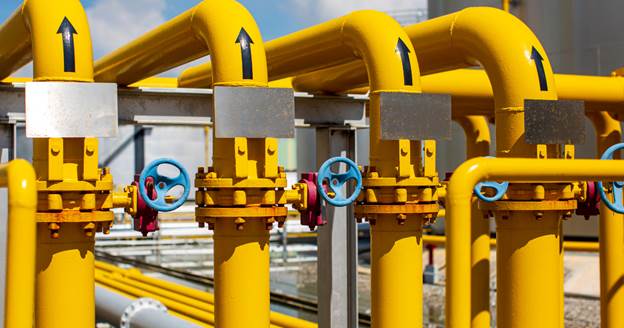
The right solution depends on what is allowing the smell to enter your home.
Here are some practical steps:
- Remove the blockage: Have the affected drain cleaned to remove trapped waste and restore proper water flow.
- Refill dry drain traps: Pour water into rarely used floor drains to restore their water seals, provided there is no other fault.
- Inspect plumbing vents: A professional can check whether a blocked or damaged vent is affecting airflow.
- Check pipe connections: Loose joints, damaged pipes, and faulty seals may allow sewer gas to escape.
- Arrange a drain inspection: A CCTV camera can help locate hidden blockages and damaged pipe sections.
If you need riool ontstoppen utrecht (sewer unblocking Utrecht), professional drainage assistance can help identify the source rather than simply covering up the smell.
Conclusion
Can a clogged drain cause sewer gas?
Yes, a blockage can contribute to the problem by allowing waste to collect or affecting the water seals in your plumbing system.
However, the blockage may not be the only cause.
A dry P-trap, damaged pipe, or blocked plumbing vent could also allow sewer gas into your home.
If the smell keeps returning, do not rely on air fresheners or repeated drain cleaning.
Find the actual source and have the plumbing system checked before the problem gets worse.