How to Fix a Leaky Pipe Without Replacing It
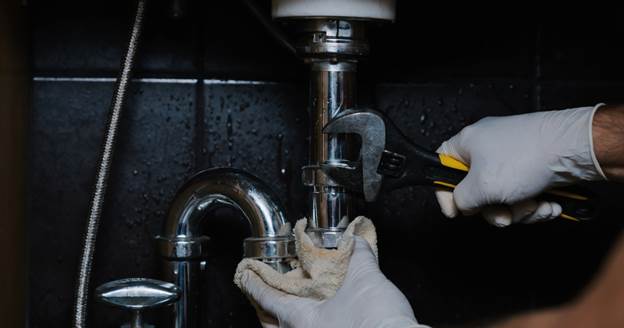
Learn how to fix a leaky pipe without replacing it using clamps, epoxy putty, repair tape, and other options for minor household leaks.
If you are searching for how to fix a leaky pipe without replacing it, the first step is to work out where the water is coming from and how serious the damage is.
A small pinhole or joint leak may only need a temporary repair, while a split or badly corroded pipe may require professional attention.
Knowing when you can safely make a repair yourself matters.
If you’re faced with leaks that could cause damage to the household, you may need to locate a qualified plumber in Bedford, to deal with the problem before the leak causes further damage.
Can a Leaky Pipe Be Fixed Without Replacing It?
Some minor pipe leaks can be repaired without replacing the pipe.
The right method depends on:
- The size of the leak
- Where the leak is located
- The type of pipe
- Water pressure in the pipe
- The condition of the surrounding pipe
For example, a small pinhole in an otherwise sound pipe may be suitable for a repair clamp.
A tiny crack may respond to an appropriate epoxy repair product.
However, a temporary patch does not make a badly damaged pipe new again.
If corrosion has weakened a large section, several leaks are appearing, or the pipe has split, replacement may eventually be needed.
The U.S. Environmental Protection Agency notes that repair clamps can be used for small holes and short cracks where the surrounding pipe remains suitable for repair.
Turn Off the Water Before You Start
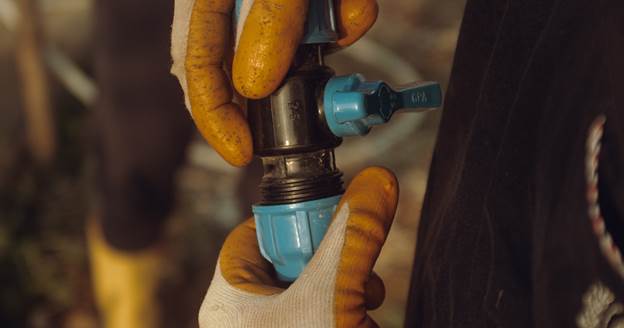
Before touching the leaking pipe, stop the water supply if you can do so safely.
In many UK homes, the internal stop tap is under the kitchen sink, although it may be somewhere else depending on the property.
Once the supply is off:
- Open a cold tap to release pressure.
- Allow water remaining in the pipe to drain.
- Place a bucket under the leak.
- Dry the outside of the pipe.
- Check exactly where the water is coming from.
Research recommends turning off the stop tap first when dealing with a leak and opening cold-water taps to help drain the system.
Do not touch electrical equipment or switches if water has reached them.
If the leak is close to electrical fittings, get professional help and only switch off electricity if it is safe to do so.
How to Fix a Leaky Pipe Without Replacing It
There are several ways to deal with a small leak without cutting out the pipe.
1. Use a Pipe Repair Clamp
A repair clamp is one of the better options for a small hole or pinhole leak.
It normally consists of a metal band with a rubber sealing section.
The clamp sits around the damaged part of the pipe and is tightened so the gasket presses against the leak.
To use one:
- Turn off the water.
- Clean the pipe around the damaged area.
- Dry the surface completely.
- Position the rubber section over the hole.
- Fit the clamp around the pipe.
- Tighten it evenly according to the manufacturer’s instructions.
- Slowly turn the water back on.
- Check carefully for further dripping.
The EPA describes repair clamps as a method for sealing small holes and short cracks when the surrounding pipe is still structurally sound.
2. Try Epoxy Putty for a Small Leak
Epoxy putty can be useful for certain small leaks in suitable pipe materials.
The pipe must be clean and dry before application.
Follow the product instructions carefully, because different products have different mixing and curing times.
Generally, you would:
- Shut off and drain the pipe.
- Clean away dirt, rust, and moisture.
- Mix the epoxy as directed.
- Press it firmly over the damaged area.
- Allow it to cure fully.
- Test the pipe slowly.
Do not assume that any epoxy is suitable for every pipe or for drinking-water systems.
Check the product label and certification before using it.
For repairs involving drinking water, the U.S. Environmental Protection Agency explains that plumbing products used in drinking-water systems may need to meet applicable requirements.
3. Use Self-Fusing Repair Tape
Specialist silicone or self-fusing repair tape can sometimes help with small leaks.
Unlike ordinary household tape, this type of tape is designed to bond to itself as it is stretched and wrapped around the pipe.
For a temporary repair:
- Turn off the water.
- Dry the pipe.
- Start wrapping several centimeters before the damaged area.
- Stretch the tape while wrapping.
- Continue past the leak.
- Add several overlapping layers.
- Restore water pressure gradually.
This can be useful when you need to control a small leak while arranging a permanent repair.
What If the Leak Is at a Pipe Joint?
A leak does not always mean the pipe itself is damaged.
Water may be escaping from a connection, compression fitting or threaded joint.
If it is a compression fitting and the joint is only slightly weeping, a small adjustment may sometimes help.
A weeping compression nut can sometimes be gently tightened, provided the person doing it is confident with basic tools and the water has first been isolated.
Do not keep tightening a fitting if the leak continues.
Too much force can damage the connection.
A joint that keeps leaking may need its seal, washer, or fitting replaced.
When a Temporary Pipe Repair Is Not Enough
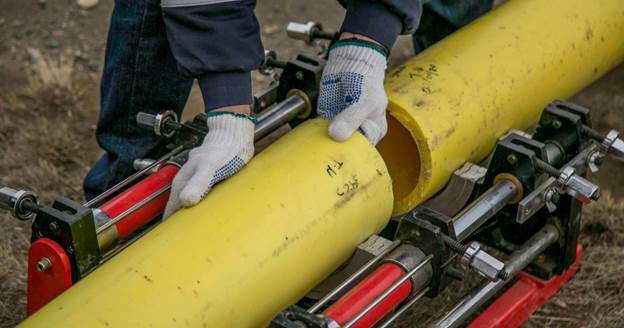
Knowing how to fix a leaky pipe without replacing it is useful, but there are times when repairing the existing pipe is not the right answer.
Get professional help if:
- The pipe has a large split.
- The pipe has burst.
- Several areas are leaking.
- Heavy corrosion surrounds the leak.
- The pipe is difficult to access.
- Water is leaking inside a wall or ceiling.
- The pipe carries hot water.
- The leak cannot be isolated.
- A repair clamp will not seal the damage.
The surrounding pipe needs to be strong enough for a repair to work.
If the pipe wall is badly deteriorated, simply covering one hole may leave another failure waiting to happen.
EPA guidance on pipe rehabilitation also distinguishes local repairs from situations where severely damaged pipe sections need replacement.
Conclusion
Learning how to fix a leaky pipe without replacing it can help you deal with a small plumbing problem before it becomes a bigger one.
A repair clamp, suitable epoxy, or specialist repair tape may work for certain minor leaks.
But the condition of the pipe matters more than the size of the hole.
If corrosion, cracking or structural damage has spread beyond the leaking spot, a temporary patch may only delay the problem.
When water is flowing heavily, the pipe has burst, or the leak is close to electrics, focus first on safety and stopping the water.
For a lasting repair, have the pipe assessed by a suitably qualified professional.