Can I Learn Both Web and App Development?

Can I learn both web and app development? Yes! Here, you’ll learn how to master both the skills you’ll need and what you’ll gain by learning them.
So you’re sitting there, maybe with a cup of coffee, wondering: Can I learn both web and app development?
Honestly? Yes, you absolutely can.
And you’re not the only one wondering such.
A lot of people start out thinking they have to pick one—either websites or apps.
But the truth is, their unique differences are no longer really being considered.
In fact, according to a 2024 Stack Overflow survey, over 65% of developers work across both web and mobile platforms in some form.
Today, it’s not just possible to learn both, it’s becoming a smart career move.
Knowing both sides gives you more control, more opportunities, and way more flexibility.
And if you’re into growing your online presence, picking up skills like these can seriously boost your SEO & Digital Marketing Solutions game.
Why?
Because when you understand how things are built, you can optimize them better.
We’ll explain it carefully so you know exactly what you’re getting into and how to do it right.
Why Learning Both Makes Sense Today
A few years ago, web and app development were seen as totally separate paths.
Websites stayed in browsers. Apps stayed on phones.
Fast forward to today, and it’s not so much like that.
Let’s take Progressive Web Apps (PWAs) as an example: they’re websites that work like apps.
You can install them on your phone, get push notifications, and use them offline.
Companies like X and Pinterest use PWAs to deliver fast, app-like experiences without making users download anything.
Then there are cross-platform tools like React Native and Flutter.
These let you write code once and deploy it on both iOS and Android, and sometimes even on the web.
So if you learn web development, you’re already halfway to building apps. And if you learn app development, you’ll pick up web concepts fast.
Have this in mind that you’re not learning them just to do two separate jobs. NO!
You’re learning them to understand how digital products work across devices, which is the big picture.
What You’ll Need to Learn (And How Long It Takes)
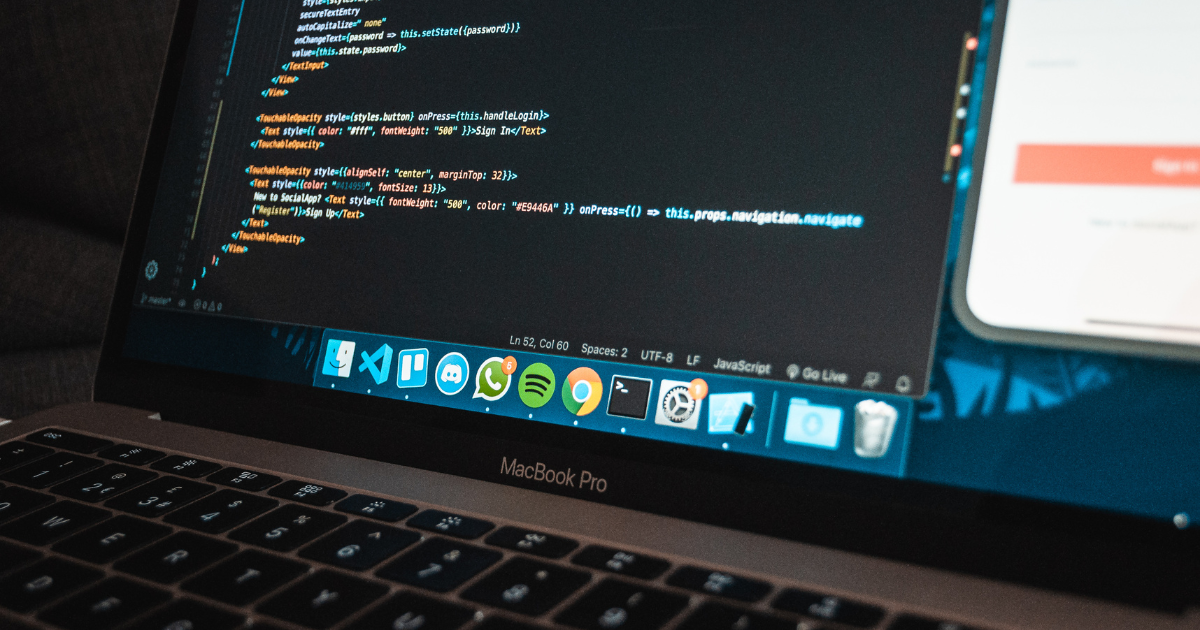
Let’s get real. You don’t need a computer science degree. But you do need to learn some main skills.
Here’s what you’ll actually need:
For Web Development:
- HTML, CSS, JavaScript: These are the basics. HTML builds the structure, CSS styles it, and JavaScript makes it interactive.
- Frontend frameworks: Like React or Vue. These help you build dynamic, fast websites.
- Backend basics: You don’t need to be a server expert, but knowing how websites talk to databases (using Node.js, PHP, or Python) helps.
For App Development:
- Native vs. Cross-Platform: You can learn Swift (for iOS) or Kotlin (for Android), or go with React Native or Flutter to build for both.
- Mobile UI/UX: Apps have different design rules than websites. Things like gestures, navigation, and screen sizes matter a lot.
- App stores: You’ll need to learn how to publish on Google Play and the Apple App Store.
Now, how long does this take?
If you study 10 to 15 hours a week, you can get very good in 6 to 9 months.
And we’re not just guessing. It’s based on data from coding bootcamps like FreeCodeCamp and Codecademy, where thousands of people have done it.
A 2023 report from College Consensus on coding bootcamp outcomes shows that part-time programs (which mirror this 10–15 hour/week pace) last 6 to 9 months and lead to employment for 80–90% of graduates.
And guess what? A lot of what you learn interrelates.
For example, JavaScript is used in both web and React Native apps. Design principles apply everywhere.
How to Start Without Getting Overwhelmed
The biggest mistake people make is trying to learn everything at once.
Don’t do that.
Instead, follow this simple path:
- Start with web development. It’s easier to see what you’re building in a browser. And, the tools are free and everywhere.
- Build small projects. Make a personal portfolio, a to-do list, or a weather app. Real practice beats theory every time.
- Then move to apps. Once you’re comfortable with JavaScript and basic design, try building a simple app using React Native.
- Use free resources. Sites like MDN Web Docs, freeCodeCamp, and YouTube have everything you need.
And here’s a pro tip: Don’t avoid the boring stuff.
Things like version control (Git), debugging, and responsive design might not sound exciting, but they’re what separate hobbyists from professionals.
According to GitHub’s 2024 State of the Octoverse report, developers who use Git regularly are 30% more likely to land jobs or freelance gigs.
So yeah, it’s worth learning.
How Knowing Both Can Help You in Real Life
Let’s say you want to build a fitness tracker.
If you only know web development, you can make a great website. But people might want an app they can use while running.
If you only know app development, you might miss out on reaching people who just want to check stats on their laptops.
But if you know both? You can build a full experience:
- A responsive website for desktop users
- A mobile app for on-the-go access
- A backend that syncs data between both
That’s powerful.
And it’s not just for freelancers. Companies are looking for developers who can wear multiple hats.
A 2023 LinkedIn report showed that job postings seeking both web and mobile skills grew by 40% over 2 years.
Also, if you ever want to start your own business, this combo is golden. You won’t need to hire two developers to launch your idea.
Conclusion: Yes, You Can Do This
So, can I learn both web and app development?
Look, learning web and app development isn’t easy. But it’s not impossible either.
The fact that you’re asking this question means you’re already ahead. Most people never even start.
You don’t need to be perfect. You don’t need to know everything.
You just need to start, keep going, and build things that matter to you.
And remember that every expert was once a beginner who refused to quit.
So go ahead. Open that browser. Type your first line of code.