What Is Janitorial Maintenance? A Complete Guide

What is janitorial maintenance? Learn what it includes, why it matters, common tasks, costs, and how it helps keep facilities clean and safe.
When many people hear the term “janitorial maintenance,” they assume it simply means taking out the trash and running a vacuum.
In reality, it covers much more than basic cleaning. A well-maintained building doesn’t stay clean by accident.
It requires regular attention, consistent routines, and a plan that keeps everything looking and working its best.
That is why businesses, schools, medical offices, and other facilities invest in janitorial maintenance.
It helps create a healthier environment, improves safety, and leaves a positive impression on everyone who walks through the door.
If you’ve ever searched for services such as commercial cleaning St. Georges, you’ve probably noticed terms like commercial cleaning, custodial services, and janitorial maintenance used interchangeably.
While they are closely related, janitorial maintenance focuses on ongoing cleaning and upkeep rather than occasional deep cleaning projects.
In this article, you’ll know what is janitorial maintenance and how it can help you make better decisions about maintaining your property.
What Is Janitorial Maintenance?
Janitorial maintenance refers to the ongoing cleaning, care, and upkeep of a building or facility.
Rather than being a one-time service, it involves routine tasks performed daily, weekly, or monthly to keep spaces clean, sanitary, safe, and presentable.
The goal is not only to remove dirt and trash but also to maintain a healthy environment for employees, customers, visitors, and tenants.
Common places that rely on janitorial maintenance include:
- Office buildings
- Schools and universities
- Hospitals and medical clinics
- Retail stores
- Warehouses
- Apartment complexes
- Government buildings
In simple terms, janitorial maintenance is the work that keeps a facility functioning smoothly every day.
What Does Janitorial Maintenance Include?
The exact services depend on the facility, but most janitorial maintenance programs cover routine cleaning tasks.
Daily Cleaning Tasks
These are the tasks performed most often:
- Emptying trash bins
- Replacing trash liners
- Dusting surfaces
- Sweeping floors
- Vacuuming carpets
- Mopping hard floors
- Cleaning restrooms
- Refilling soap and paper products
- Sanitizing high-touch surfaces
These tasks help prevent dirt and germs from building up throughout the day.
Weekly Maintenance Tasks
Some tasks do not need daily attention but are still important.
Examples include:
- Cleaning glass doors
- Dusting vents and blinds
- Spot-cleaning walls
- Polishing fixtures
- Deep cleaning break rooms
- Cleaning baseboards
Monthly or Periodic Tasks
These larger maintenance jobs help preserve the condition of the building.
Examples include:
- Carpet shampooing
- Floor stripping and waxing
- Tile and grout cleaning
- High dusting
- Upholstery cleaning
- Window cleaning
A good janitorial maintenance plan combines daily, weekly, and periodic services.
Janitorial Maintenance vs Commercial Cleaning
Many people confuse these two services.
While they overlap, there is a difference.
| Janitorial Maintenance | Commercial Cleaning |
| Ongoing routine cleaning | Specialized deep cleaning |
| Daily, weekly, or monthly schedule | Usually performed periodically |
| Focuses on maintenance | Focuses on intensive cleaning |
| Includes trash removal and restroom cleaning | Includes carpet extraction and floor restoration |
Think of janitorial maintenance as regular health checkups.
Commercial cleaning is more like a major treatment when deeper cleaning is needed.
Many businesses use both services together.
Why Is Janitorial Maintenance Important?

Regular cleaning does much more than improve appearance.
Creates a Healthier Workplace
According to the U.S. Centers for Disease Control and Prevention (CDC), cleaning and disinfecting frequently touched surfaces helps reduce the spread of germs and illnesses.
When surfaces are cleaned regularly, employees are less likely to come into contact with harmful bacteria and viruses.
Improves Workplace Safety
Dirty floors, spills, clutter, and overflowing trash can create hazards.
Routine janitorial maintenance helps reduce:
- Slip-and-fall accidents
- Fire hazards
- Pest problems
- Air quality issues
A cleaner facility is often a safer facility.
Makes a Better First Impression
When clients visit your building, cleanliness is one of the first things they notice.
Clean:
- Floors
- Restrooms
- Entryways
- Reception areas
all contribute to a positive experience.
People often judge a business based on the condition of its environment.
Extends the Life of Building Assets
Floors, carpets, furniture, and fixtures last longer when properly maintained.
Dirt and debris can cause wear over time.
Regular cleaning helps protect your investment and reduces replacement costs.
Who Performs Janitorial Maintenance?
Janitorial maintenance is usually handled by:
In-House Janitorial Staff
Some organizations hire employees specifically for cleaning and maintenance duties.
This approach gives management direct control over schedules and procedures.
Professional Janitorial Companies
Many businesses outsource cleaning to specialized service providers.
These companies typically provide:
- Trained cleaning staff
- Equipment
- Cleaning products
- Scheduling flexibility
- Quality control systems
Outsourcing is often more cost-effective for many facilities.
How Often Should Janitorial Maintenance Be Performed?
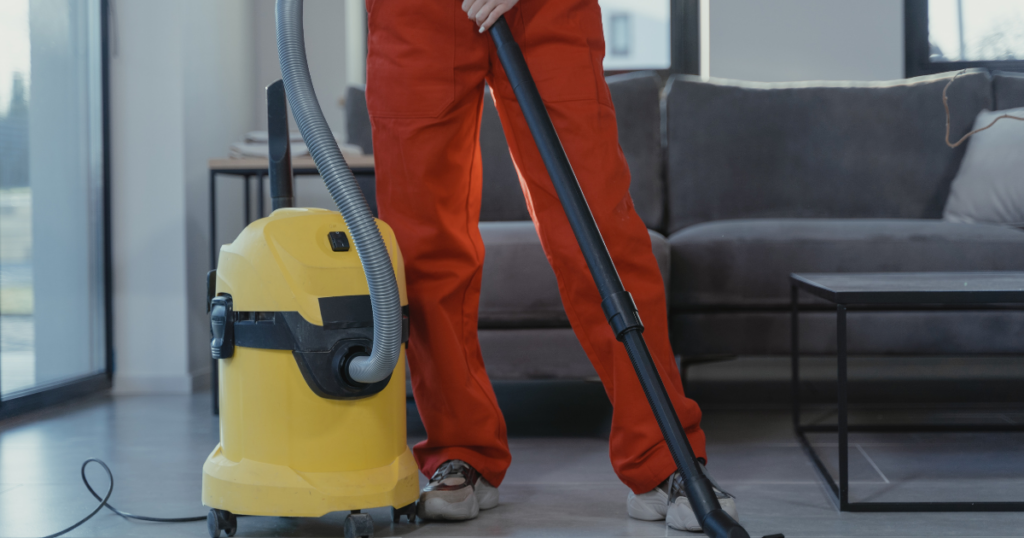
The answer depends on the type of building and how much traffic it receives.
High-Traffic Facilities
Examples include:
- Hospitals
- Schools
- Shopping centers
- Airports
These locations may require daily or even multiple cleanings per day.
Moderate-Traffic Facilities
Examples include:
- Professional offices
- Government buildings
- Medical practices
These facilities typically need daily service.
Low-Traffic Facilities
Examples include:
- Small offices
- Warehouses
- Storage facilities
These may only need service a few times per week.
The key is matching cleaning frequency to building usage.
Signs Your Facility Needs Better Janitorial Maintenance
Sometimes problems appear before business owners realize cleaning standards have slipped.
Watch for signs such as:
- Persistent odors
- Dust buildup
- Dirty restrooms
- Stained carpets
- Overflowing trash bins
- Increased employee complaints
- More frequent pest issues
These warning signs often indicate that current cleaning schedules are no longer meeting the building’s needs.
How to Choose a Janitorial Maintenance Provider
If you’re considering professional help, look for a provider that offers:
- Customized cleaning plans
- Trained and insured staff
- Quality inspections
- Flexible scheduling
- Industry experience
- Positive customer reviews
Ask detailed questions about their cleaning process and communication methods.
The best providers focus on consistency rather than just completing tasks.
Conclusion
So, what is janitorial maintenance?
It is the ongoing process of keeping a building clean, sanitary, safe, and well-maintained through routine cleaning services.
It includes everything from emptying trash and cleaning restrooms to floor care and periodic deep cleaning tasks.
Good janitorial maintenance helps protect health, improve safety, create positive first impressions, and extend the life of your facility’s assets.
Whether you manage a small office or a large commercial property, consistent janitorial maintenance is one of the most effective ways to keep your building operating at its best every day.