Are Pendant Lights Allowed in Bathrooms? Safety Rules
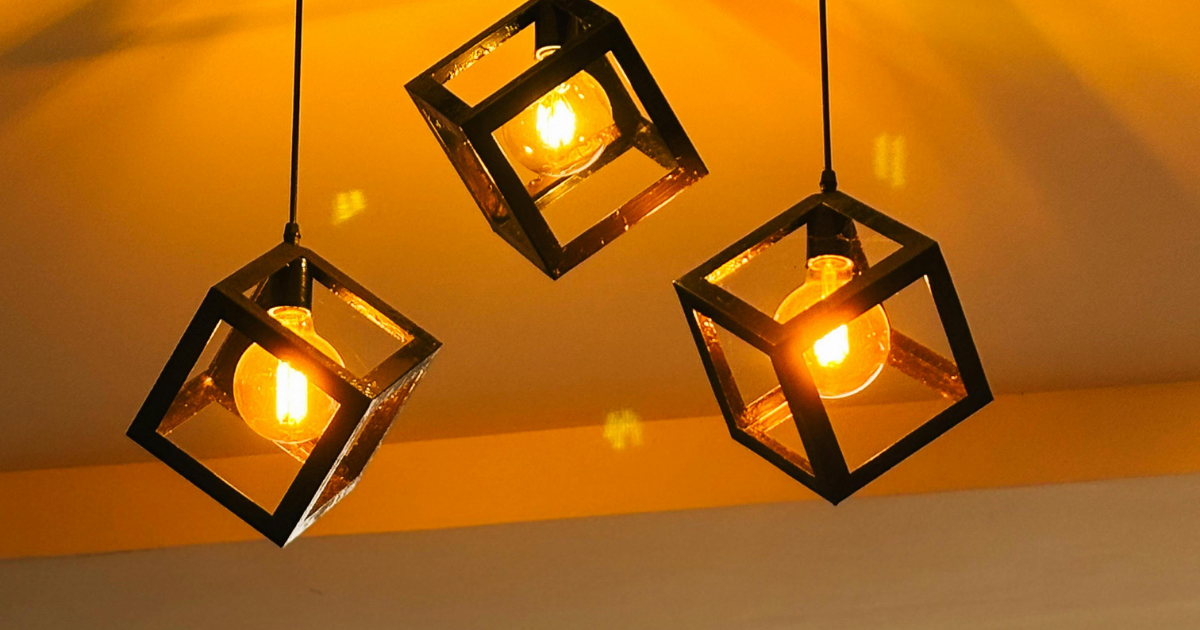
Are pendant lights allowed in bathrooms? Learn safety rules, IP ratings, and placement tips to use pendant lighting the right way.
If you’re thinking about upgrading your bathroom lighting, pendant lights might be on your mind. They look clean, modern, and add a bit of personality.
But the big question is: are pendant lights allowed in bathrooms?
Yes, you can use them. But there are rules you must follow.
If you ignore those rules, you risk safety issues, failed inspections, or even electrical hazards.
Before you start browsing options like these designer pendant lights, it helps to understand what actually works in a bathroom and what doesn’t.
Are Pendant Lights Allowed in Bathrooms by Code?
Yes, pendant lights are allowed in bathrooms, but only when they meet electrical safety standards.
Bathrooms are considered “wet zones.” That means extra care is needed because water and electricity don’t mix well.
Most countries follow similar safety principles based on guidelines like those from the
International Electrotechnical Commission (IEC), which defines how lighting should be used in wet areas.
Here’s what matters most:
- IP rating (Ingress Protection): This tells you how well a light resists water and dust
- Placement: Where the light sits in relation to water sources
- Voltage and wiring: Must meet local electrical codes
If your pendant light checks these boxes, you’re good to go.
Are Pendant Lights Allowed in Bathrooms Near Showers?
This is where most people get it wrong.
You can’t just hang a pendant anywhere. Bathrooms are divided into “zones” based on how close they are to water.
Bathroom Zones Explained
According to standards referenced by the UK Electrical Safety First guidelines:
- Zone 0: Inside the bath or shower
- Zone 1: Directly above the bath or shower (up to 2.25m high)
- Zone 2: Around the bath or sink (about 0.6m away)
- Outside Zones: Anywhere beyond that
What this means for pendant lights:
- Zone 0: Not allowed at all
- Zone 1: Only if rated at least IP65 (waterproof)
- Zone 2: Minimum IP44 (splash-proof)
- Outside zones: Standard lights are usually fine
So, yes, are pendant lights allowed in bathrooms near showers?
Only if they are properly rated and placed correctly.
Are Pendant Lights Allowed in Bathrooms Without IP Ratings?
This is a risky move.
If your pendant light doesn’t have an IP rating, you should only use it outside wet zones.
Why IP rating matters:
- Protects against water splashes
- Reduces risk of electric shock
- Helps avoid short circuits
The Lighting Industry Association recommends always checking IP ratings before installing bathroom lighting.
Simple guide:
- IP44: Safe for most bathroom areas
- IP65+: Required for wet zones
If you’re unsure, always choose the higher rating. It’s better to be safe than sorry.
Are Pendant Lights Allowed in Bathrooms Over Sinks?
Yes, and this is actually one of the best places to use them.
A pendant light over a sink or vanity can look great and give you focused lighting for daily tasks.
But you need to get this right:
- Keep the light high enough to avoid splashes
- Use at least IP44 rating
- Avoid placing it too low where it can get in the way
For example, I once saw a bathroom where the pendant hung too low over the sink. It looked nice, but every time someone washed their hands, water splashed onto it. Within months, the fixture started to fail.
So placement is just as important as design.
Are Pendant Lights Allowed in Bathrooms for Ceiling Lighting?
Yes, but they’re not always the best main light source.
Pendant lights are more about style and focus, not full-room lighting.
If you plan to use them as ceiling lights:
- Combine with recessed lights or wall lights
- Make sure the room still has even lighting
- Avoid shadows, especially around mirrors
The Illuminating Engineering Society (IES) suggests layered lighting for bathrooms:
- Ambient (general lighting)
- Task (mirror/sink area)
- Accent (decorative lights like pendants)
Pendant lights work best in that accent or task role.
Key Safety Rules for Pendant Lights in Bathrooms
If you remember nothing else, remember this:
Always follow these rules:
- Check IP rating before buying
- Install outside wet zones when possible
- Use a qualified electrician
- Keep enough distance from water sources
- Choose materials that resist moisture (like glass or metal)
These steps help you stay compliant with safety standards like those outlined by National Electrical Code (NEC).
Common Mistakes People Make
You don’t want to learn this the hard way.
Watch out for these:
- Hanging pendants too low near water
- Ignoring IP ratings completely
- Using indoor-only fixtures in wet areas
- Not checking local electrical codes
- Installing without professional help
Even if it “looks fine,” it might not be safe.
Design Tips That Actually Work

Now, let’s talk style, because safety doesn’t mean boring.
Simple ways to use pendant lights well:
- Over double vanities: Use two pendants for balance
- Next to mirrors: Adds a modern hotel feel
- With warm bulbs: Makes the space feel calm
- With glass shades: Helps spread light better
Keep it practical:
- Avoid heavy or oversized fixtures
- Choose easy-to-clean materials
- Make sure bulbs are easy to replace
You want something that looks good and works well every day.
When You Should Avoid Pendant Lights
Sometimes, it’s just not worth it.
Skip pendant lights if:
- Your bathroom is very small
- Ceiling height is low
- There’s too much moisture buildup
- You can’t meet IP rating requirements
In these cases, recessed lighting or wall lights are safer and more practical.
Conclusion
So, are pendant lights allowed in bathrooms? Yes, but only when you follow the right rules.
You need to think about:
- Where the light will go
- How close it is to water
- Whether it has the right IP rating
- If it meets local safety codes
Get these right, and pendant lights can add a clean, stylish touch to your bathroom. Get them wrong, and you risk safety issues that are not worth it.
If you treat safety as your starting point, the design part becomes much easier.