Can I Install Turf Myself? Things You Need To Know

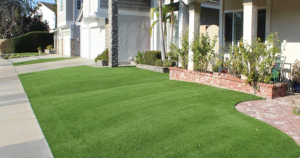
Can I install turf myself? Yes, you can, and you need detailed instructions to help get it done. Learn the costs, tools, and steps for DIY artificial grass.
In a Hurry? Here’s a Summary of This Post:
You can install turf yourself, and many homeowners do so to save money, usually cutting labor costs by 50–70%.
For a 500 sq ft project, that’s a potential savings of $3,000 to $11,000 compared to professional installation.
But DIY is more than just laying down a green carpet.
It’s a 2–5 day project that demands serious physical work, the right tools, and attention to detail, especially in base preparation and seaming.
When you do it yourself, you’ll save money.
But there are real risks: poor drainage, uneven surfaces, visible seams, and canceled warranties.
Most manufacturers only cover product defects, not faulty installation.
In places like Phoenix, where heat and drainage are concerns, proper preparation is EVERYTHING.
A strong 2–2.5-inch crushed rock base, proper compaction, and heat-resistant turf make the difference between a lawn that lasts 15+ years and one that fails early.
So yes, you can do it.
But whether you should depends on your skill, time, and how much you value a flawless, long-lasting result.
Well, if you’re still here, keep reading to know more.
Did you just Google: Can I install turf myself?
Not to burst your bubbles, but you’re not the only one thinking about skipping the contractor and installing artificial turf yourself.
A lot of people, like you, want to save money and take control of their backyard transformation.
And sure, you can install turf yourself. But it’s not as simple as rolling out a rug and calling it a day.
This is a real project that takes time, sweat, and the right tools. If you’ve never done any serious landscaping, there’s a lot to learn.
A statement from John Wyble, a recognized expert in synthetic turf installation, states:
“During my visits with contractors across the country, I have noticed synthetic turf installations having depressed areas within them due to improper materials, poor compaction, bad repairs, or irrigation problems. It is very important that grading materials that are placed under synthetic turf be of quality and can reach approximately 80 percent in compaction rate.”
He points out that poor compaction leads to settling, water intrusion, and surface failure.
For those in hot, dry climates like Arizona, checking out a Phoenix turf installation guide can give you local tips on base prep and heat-resistant materials, which makes a big difference in long-term results.
What’s Actually Involved in DIY Turf Installation?
Let’s break down the process of what you’re really signing up for step by step.
This isn’t a weekend project unless your yard is tiny.
1. Measure and Order Turf
- Measure your area carefully.
- Add 10–15% extra for trimming and mistakes.
2. Remove Existing Grass
- Dig down 2–4 inches, even if it’s just dirt.
- Use a turf cutter to make this easier.
3. Build the Base
- Use 2–3 inches of Class II road base or crushed rock.
- In dry climates like Phoenix, 2 inches is usually enough.
- Create a 2% slope for drainage.
4. Compact the Base
- Use a plate compactor to reach 90% density.
- Wet the base first for better compaction.
5. Lay and Seam the Turf
- Roll it out and let it acclimate in the sun for 1–2 hours.
- Stretch it tight and use seam tape and adhesive for invisible joins.
- Make sure all pieces face the same direction.
6. Secure the Edges
- Use 40D or 60D nails every 3–6 inches around the perimeter.
7. Add Infill
- Use 2–3 lbs per sq ft of silica sand or antibacterial Infill.
- A drop spreader gives even coverage.
8. Brush the Turf
- Use a stiff broom to fluff the blades and work in the Infill.
This whole process takes 2–5 days for most homeowners. Professionals do it faster because they have the tools and experience.
Common DIY Mistakes (And How to Avoid Them)
Even with good intentions, mistakes happen. Here are the most common ones:
- Poor Drainage. If the base isn’t graded with a 2% slope, water pools and creates muddy spots. Fix it by regrading before laying turf.
- Uneven Surfaces. Skipping compaction leads to bumps and dips. Always use a plate compactor and check with a straight board.
- Visible Seams. Bad taping or misaligned patterns make seams stand out. Use high-quality seam tape and glue, and align the turf grain.
- Turf Lifting. Not enough nails or poor edge securing means wind can lift corners. Use 5–6 inch nails every 3–4 inches.
- Wasted Turf. Cutting errors waste expensive material. Measure twice, cut once.
And here’s a big one: warranties.
Many manufacturers cancel warranties if the turf isn’t installed by a certified professional.
Even if the turf is covered, the installation isn’t. So if your DIY job fails, you’re on the hook for repairs.
When Hiring a Pro Makes More Sense
Professionals bring more than just speed. They have:
- Heavy equipment for fast, precise work
- Years of experience handling slopes, drainage, and pet areas
- Access to better materials and installation techniques
- Warranties on both product and labor
For complex yards, like those with slopes, pet zones, or poor drainage, a professional is often the smarter long-term choice.
They also handle disposal, cleanup, and code compliance, which saves you stress.
And they finish in 1–3 days, compared to 2–5 for DIY.
Also, professionals know how to pick the right turf for your climate.
In Phoenix, for example, heat-resistant turf with cooling Infill is a must to avoid damage from reflective surfaces.
Conclusion
Can I install turf myself? Yes, you can. If you’re handy, have time, and are okay with some risk, DIY can be a rewarding way to save money.
But if you want a flawless, long-lasting lawn with warranty protection, hiring a professional is worth the extra cost.
Either way, proper preparation is non-negotiable.
Cutting corners on the base leads to problems down the road.
Take your time, watch tutorials, and get the right tools.
And if you’re in Arizona, use local resources to pick heat-resistant turf and follow climate-specific prep steps.