Can Permanent Resident Status Be Revoked? A Legal Guide

“Can your permanent resident status be revoked? Explore the consequences, causes, legal factors, and legal steps involved if your status is ever revoked.”
You’ve made it. You’ve got your Green Card, and with it, you’ve gained the stability and security that so many dream of.
The U.S. feels like home, and your future here is starting to take shape. But here’s something that’s often overlooked in the excitement: permanent residency isn’t an unshakable guarantee.
Honestly, It’s not just a piece of paper that says you can live and work here forever. It’s a responsibility, a status that can be revoked if you’re not careful or with the help of a Permanent Residency Attorney New Jersey.
Now, I know what you’re probably thinking: “I’m a permanent resident; I’ve done everything right; why should I worry?” And that’s fair. The truth is most people go about their lives without even considering the risks.
But the reality is that, under certain circumstances, your Green Card can be taken away, sometimes without much warning.
This is not to scare you, of course, but to make sure you’re fully aware of the risks, what could jeopardize your status, and how you can prevent it from happening.
I will walk you through the how, why, and when permanent resident status can be revoked and provide actionable advice on how to avoid it.
Why Can Permanent Resident Status Be Revoked?

Permanent residency is not a “forever” guarantee. In fact, the government can revoke your status if they believe you’re no longer eligible, have violated the terms of your residency, or pose a risk to public safety.
While this doesn’t happen in every case, there are a variety of circumstances under which USCIS (U.S. Citizenship and Immigration Services) or immigration officials can take this drastic step. Let’s break it down:
1. Criminal Activity
One of the most common reasons for permanent resident status to be revoked is criminal activity. Green Card holders must avoid being convicted of certain crimes. While minor offenses may not lead to revocation, more serious crimes, especially those involving moral turpitude or drug-related offenses, can trigger the loss of residency.
For example, if a permanent resident is convicted of an aggravated felony or a violent crime, their Green Card may be revoked. Even crimes committed years after the Green Card was granted can be grounds for removal, so it’s critical to be mindful of the law.
2. Fraud or Misrepresentation
If you obtained your Green Card through fraudulent means, such as lying on your application, falsifying documents, or misrepresenting facts during your interview, USCIS has the right to revoke your status.
This could involve overstating your relationship in a marriage-based Green Card application or hiding your criminal history.
Even if you’re caught years after your approval, the consequences can be severe. It’s a case of being honest and forthright from the beginning. Fraudulent activities can haunt you long after you think they’re forgotten.
3. Abandonment of U.S. Residence
One of the key terms of permanent residency is that the individual must maintain a primary residence in the United States.
If you spend too much time abroad or seem like you’re putting down roots somewhere else, the government may see it as you giving up your residency. And they don’t need a dramatic reason just enough signs that you’ve moved on.
For instance, if you live overseas for a few years, don’t file for a reentry permit, stop filing U.S. taxes, or cut off ties like closing U.S. bank accounts.
All of that adds up. USCIS will look at your travel history, your intent, and whether your life still points back to the States. If it doesn’t, you might find your Green Card on the chopping block.
If you need to travel for long periods, make sure you’re doing it with legal protection in place, like a reentry permit, and that you’re not leaving any doubt about where home really is.
4. Failure to Renew or Update Information
Another reason permanent residency can be revoked is failing to comply with necessary updates or renewals.
The most common situation occurs when a permanent resident doesn’t renew their Green Card after it expires. While this doesn’t immediately result in revocation, it can cause issues down the line if you fail to correct it.
The problem isn’t just the card itself; it’s what an expired or outdated record signals. If you’re not keeping your documents current or reporting changes like a new address, USCIS might question whether you’re still serious about your residency or hiding something.
Got a recent criminal charge and didn’t report it? Did you move and never update your address? These are all small cracks that can turn into big problems.
5. Immigration Violations
Any immigration violations, such as working without authorization or overstaying a visa, can also jeopardize your permanent resident status.
Even if you were granted a Green Card under the right circumstances, violations of immigration law after obtaining residency could bring the wrath of USCIS.
Let’s say you entered on a tourist visa and worked under the table, or you got your Green Card but then violated the conditions of your sponsorship. USCIS can look at your history and question whether you obtained residency lawfully or whether you’re still following the rules.
Once you’re a Green Card holder, the goal is to keep everything clean and compliant moving forward. Any red flags, no matter how small, can lead to closer review and possibly removal.
If you’re unsure about whether a past decision or current situation could affect your status, don’t guess. Reach out to a qualified immigration attorney for clarity before things escalate.
How to Protect Your Permanent Resident Status
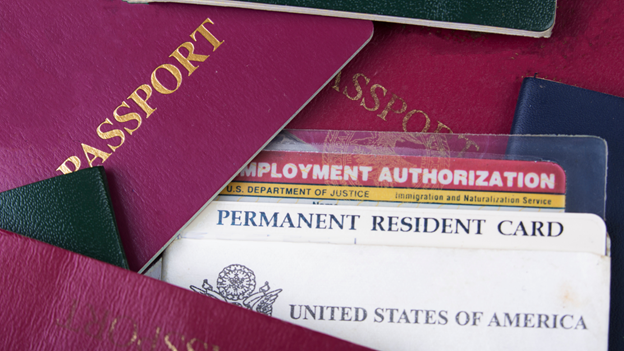
Now that you understand some of the key reasons for Green Card revocation let’s talk about how you can protect your status. Here are a few practical steps to safeguard your permanent residency:
1. Keep Your Criminal Record Clean
One of the simplest and most important ways to protect your Green Card status is to avoid any criminal activity. If you’re ever charged with a crime, seek legal advice immediately. Some criminal charges could lead to deportation or removal proceedings. A proactive approach, such as working with a lawyer to minimize the effects of a criminal charge, is essential.
2. Maintain Strong Ties to the U.S.
To prove your intent to live in the U.S. permanently, keep strong ties to the country. This could include having a job, owning property, maintaining a bank account, or having family members living here. If you need to travel outside the U.S., apply for a reentry permit to avoid being seen as abandoning your permanent residency.
3. File for Extensions and Updates
If your Green Card is close to expiring, be sure to file for renewal as soon as possible. Additionally, update USCIS with any changes to your address or personal information. These simple steps can keep your file in good standing and prevent future complications.
4. Work with an Immigration Attorney
If you’re concerned about any of the risks mentioned or have any questions about your status, it’s always a good idea to seek legal advice from an experienced immigration attorney.
A professional like The Scheer Immigration Group can offer the expertise you need to navigate complex cases, resolve issues before they escalate, and ensure that you comply with all legal requirements.
Conclusion

Can permanent resident status be revoked? Absolutely. While many people live with their Green Cards without issue, it’s essential to be aware of the risks that could lead to revocation.
That’s why it’s so important to understand the common pitfalls: criminal offenses, long stays abroad, missed renewals, immigration violations, or even just failing to update your address. Every one of these can snowball into a bigger problem if left unchecked.
By understanding the potential pitfalls and taking steps to comply with the law, maintain ties to the U.S., and seek professional legal help when needed, you can protect your permanent residency status for the long haul.
If you’re unsure where you stand or want a second set of eyes on your situation, now’s the time to speak with a Permanent Residency Attorney in New Jersey. A short consult today could save you a major headache tomorrow.
Stay vigilant, stay informed, and, most importantly, stay compliant because your permanent residency is too important to take for granted.