What Is Cosmetic Dental Bonding? Benefits, Process & Cost Explained Simply

Curious about what is cosmetic dental bonding? Learn how this simple, affordable procedure can fix chips, gaps, and discoloration in just one visit.
Chipped a tooth on a popcorn kernel?
Got small gaps that bug you every time you smile?
Tired of hiding your stained teeth in photos?
You’re not alone.
A lot of people want a better smile without committing to braces or spending thousands on veneers. That’s where cosmetic dental bonding comes in.
So, let’s break it down and explain what cosmetic bonding is, how it works, what it costs, and who it’s best for.
What is Cosmetic Dental Bonding?
Cosmetic dental bonding is a quick, affordable treatment where a tooth-colored resin is applied to your teeth to fix:
- Cracks
- Chips
- Gaps
- Discoloration
- Misshaped or uneven teeth
It’s basically a mini makeover for your smile using a material that blends right in with your natural teeth.
No drills.
No needles (usually).
No long recovery time.
The goal? A natural-looking, more confident smile—without breaking the bank.
How Does Dental Bonding Work? Step-by-Step
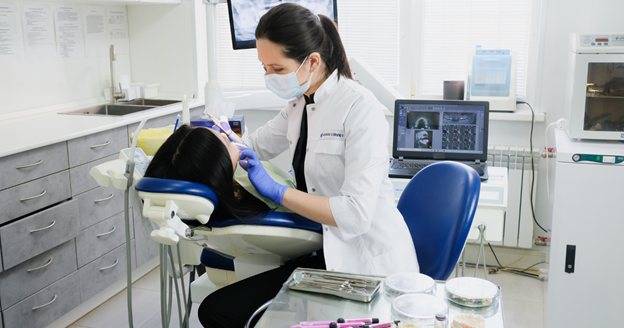
If you’re the type who likes to know exactly what happens in the chair, here’s how bonding typically goes:
1. Consultation
Your dentist checks if bonding is a good fit for your goals.
They’ll examine your teeth and maybe take X-rays to rule out deeper issues.
2. Color Matching
The resin used in bonding comes in shades that mimic natural teeth. Your dentist will make sure the resin is the same as your tooth color, so it blends in perfectly.
3. Prepping the Tooth
No heavy prep needed. Just a gentle roughening of the tooth surface so the bonding material sticks better.
4. Applying the Bonding Resin
The dentist layers on the resin and sculpts it into the right shape. Think of it as tooth putty, but way more precise.
5. Curing with Light
Once shaped, the dentist will use a special curing light to harden the resin in seconds.
6. Final Touches
Your dentist polishes the bonded area to match the shine of the rest of your teeth. You’re done.
Time in the chair? Usually 30 to 60 minutes per tooth.
Who’s a Good Candidate for Dental Bonding?
This is a solid option if:
- You have minor chips or cracks
- You want to close small gaps between teeth
- Your teeth are stained and whitening didn’t work
- You want fast results without invasive procedures
But bonding isn’t ideal if you:
- Grind your teeth (the resin can wear out faster)
- Need major bite correction
- Have severe decay or structural issues
Your dentist will tell you if bonding’s the right tool for the job, or if something like veneers or crowns is better.
How Long Does Cosmetic Bonding Last?
Bonding isn’t forever, but it holds up well, especially with good habits.
On average, bonding lasts 3 to 10 years depending on:
- Where it’s placed in your mouth
- Your eating habits
- If you grind or clench
- How well you take care of your teeth
You might need touch-ups or re-bonding later, but many people go years without issues.
Pros and Cons of Cosmetic Dental Bonding
Pros:
- Quick – Often done in one visit
- Affordable – Costs less than veneers or crowns
- Painless – Minimal prep, often no numbing needed
- Reversible – The natural tooth isn’t damaged
- Natural look – Matches your real teeth
Cons:
- Not as durable as porcelain veneers
- Can stain over time, especially if you are a coffee, tea, or red wine drinker
- May chip if you bite hard things
- Needs upkeep every few years
It’s a trade-off: lower cost and easier process, but slightly less durability.
How Much Does Cosmetic Dental Bonding Cost?
Costs vary by location, dentist, and how many teeth you’re treating.
On average, you can expect to pay:
$100 to $600 per tooth
It’s way more budget-friendly than veneers, which can cost $1,000+ per tooth.
But here’s the catch:
Bonding is usually considered cosmetic, so insurance often won’t cover it unless it’s being done for structural reasons (like repairing a chipped tooth).
Always ask your dentist for a breakdown before starting treatment.
Lisa’s Story
Lisa cracked her front tooth in high school.
She lived with it for years, embarrassed but unsure if fixing it would be worth the hassle.
A friend recommended bonding.
In one lunch-break visit, her dentist filled the chip, matched the color perfectly, and polished it smooth. The crack disappeared.
Total cost? $250.
She said, “It took longer for the numbness to wear off than it did to fix my smile.”
Lisa’s story is common. That’s why bonding is such a go-to solution for quick, visible fixes.
Cosmetic Dental Bonding vs. Veneers: What’s the Difference?
| Feature | Bonding | Veneers |
| Material | Composite resin | Porcelain |
| Durability | 3–10 years | 10–15+ years |
| Cost per Tooth | $100–$600 | $1,000–$2,500 |
| Time Needed | One visit | Two or more visits |
| Invasiveness | No enamel removal | Requires shaving tooth |
Bottom line:
Choose bonding if you want fast, budget-friendly fixes.
Go with veneers if you want long-term polish and you’re cool with the higher cost.
How to Care for Bonded Teeth
Bonded teeth don’t need special treatment—but a few smart habits go a long way:
- Brush twice daily with a non-abrasive toothpaste
- Floss every day to avoid plaque buildup
- Skip hard snacks like ice or pens (yep, some folks chew on those)
- Avoid stain-makers like black coffee, red wine, and tobacco
- See your dentist regularly for cleanings and check-ups
- Also, if you grind your teeth at night, ask about a custom mouthguard.
Looking for a Trusted Local Provider?
If you’re considering this treatment and live in Michigan, a Cosmetic Dentist South East Michigan can walk you through your options and help you choose the right fix for your smile goals.
Many offer consultations where you can talk through pros, cons, pricing, and expected results before committing.
Quick FAQ: Cosmetic Dental Bonding
Q: Is bonding painful?
Not at all. Most procedures don’t even require numbing.
Q: Can bonded teeth be whitened?
Nope. The resin doesn’t respond to whitening. Whiten your teeth before bonding if needed.
Q: How soon can I eat after bonding?
Immediately. Just avoid super hard or sticky foods for the first 24 hours.
Q: Can bonding fix gaps between teeth?
Yes, especially small gaps. It’s a fast way to close spaces without braces.
Final Thoughts
Cosmetic dental bonding is one of the easiest ways to upgrade your smile.
It’s fast, affordable, and non-invasive—perfect for minor flaws that mess with your confidence.
It’s not the flashiest cosmetic treatment, but it gets the job done for thousands of people every year.
Bonding might be your best first step if you’re dealing with chips, cracks, gaps, or stubborn stains.