How Long Does a Diamond Blade Last When Used?

How long does a diamond blade last? Learn what affects blade lifespan, signs of wear, and practical tips to extend the life of your diamond blade.
If you work with concrete, tile, stone, or asphalt, you already know how important a good cutting blade is.
One question comes up a lot on job sites and in workshops: how long does a diamond blade last?
The honest answer is that it depends on several factors. Some blades last only a few hours of hard cutting. Others keep working for weeks or even months.
What matters most is how the blade is used, what material you’re cutting, and whether the blade matches the job.
Professionals who regularly work with diamond saw blades often notice that blade lifespan varies widely from project to project.
A blade cutting soft asphalt will wear very differently from one cutting reinforced concrete.
Understanding why this happens helps you save money, reduce downtime, and get cleaner cuts.
What a Diamond Blade Is Designed to Do
Before talking about lifespan, it helps to understand how these blades actually work.
Despite the name, diamond blades do not cut with sharp teeth like wood blades.
Instead, they grind through material using industrial diamonds embedded in a metal segment. As the blade spins:
- Diamonds scratch and grind the material
- The metal bond slowly wears away
- New diamonds become exposed
- Cutting continues until the segment is gone
This process is called controlled wear.
According to the U.S. Geological Survey, industrial diamonds are one of the hardest materials used in manufacturing.
That hardness is what allows diamond blades to cut tough materials like concrete and granite.
But even diamonds wear down over time.
Average Lifespan of a Diamond Blade
In most real-world conditions, a diamond blade lasts anywhere from 10 to 120 hours of cutting.
That’s a wide range because so many factors affect blade wear.
Here is a general idea based on common materials:
| Material Being Cut | Typical Blade Life |
| Asphalt | 10–20 hours |
| Green concrete | 20–40 hours |
| Cured concrete | 40–80 hours |
| Reinforced concrete | 20–60 hours |
| Granite or stone | 40–120 hours |
| Tile or porcelain | 50–100+ hours |
These numbers are averages. Some contractors report blades lasting longer when used under ideal conditions.
The Concrete Sawing and Drilling Association notes that blade performance depends heavily on the bond hardness and cutting environment.
This instantly explains why two blades used on the same job can wear at different speeds.
7 Factors That Affect How Long a Diamond Blade Lasts
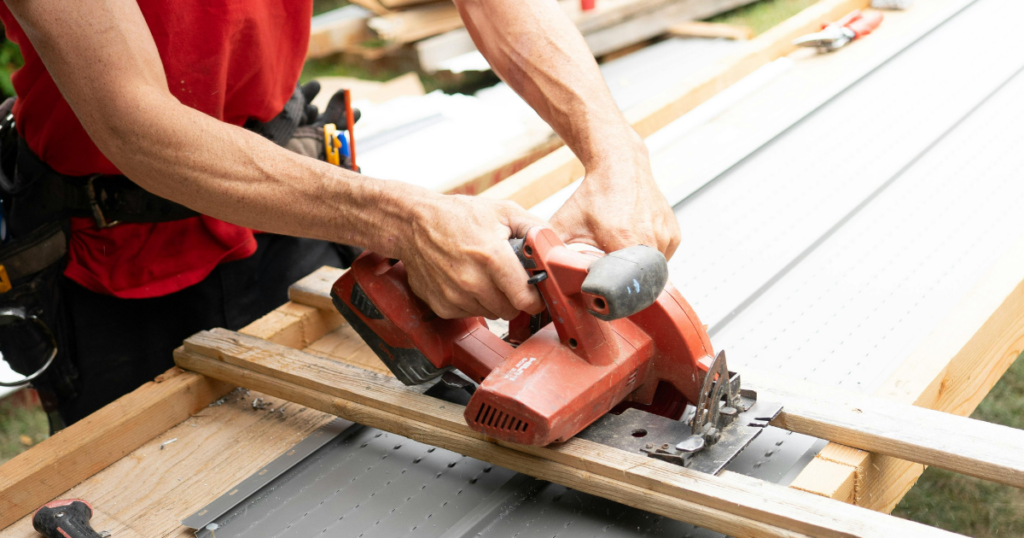
If you want your blade to last longer, these are the main things that matter.
1. The Material Being Cut
Some materials are much harder on blades than others.
For example:
- Reinforced concrete contains steel rebar
- Granite is extremely dense
- Asphalt can clog the blade segments
Hard materials tend to wear diamonds faster.
Softer materials may actually wear the metal bond too quickly.
That balance is why different blades exist for different materials.
2. Blade Bond Hardness
Diamond blades are built with different bond strengths.
- Hard bond blades last longer in soft materials
- Soft bond blades work better in hard materials
Why?
Because the metal bond controls how fast diamonds are exposed.
If the bond is too hard for the material:
- The blade becomes dull
- Diamonds stop cutting
If the bond is too soft:
- Diamonds wear out quickly
- Blade life drops
Choosing the right bond can double or even triple blade lifespan.
3. Wet Cutting vs Dry Cutting
Water makes a big difference.
Wet cutting helps in several ways:
- Reduces heat
- Washes away debris
- Prevents glazing
- Improves cutting speed
Dry cutting, on the other hand, creates more heat and friction.
According to the Occupational Safety and Health Administration (OSHA), wet cutting also helps reduce harmful dust, especially silica dust from concrete and masonry.
When possible, wet cutting usually extends blade life.
4. Cutting Speed and Pressure
Many people think pushing harder will cut faster.
In reality, the opposite often happens.
Too much pressure can:
- Overheat the blade
- Strip diamonds away
- Warp the blade core
Good operators let the blade do the work at its natural speed.
A steady feed rate usually gives the longest blade life and cleanest cuts.
5. Blade Quality
Not all diamond blades are built the same.
Higher-quality blades typically use:
- Better industrial diamonds
- Stronger bonding materials
- Precision laser welding
Lower-quality blades may wear out quickly because they contain fewer diamonds or weaker segments.
Professionals often invest in better blades because longer lifespan offsets the higher price.
6. Cooling and Overheating
Heat is one of the biggest enemies of diamond blades.
Excessive heat can:
- Damage the metal bond
- Cause segment loss
- Warp the steel core
Common causes of overheating include:
- Dry cutting for too long
- Running the blade at the wrong speed
- Cutting materials that clog the segments
Allowing the blade to cool periodically can extend its lifespan.
7. Operator Experience
The person using the saw matters more than most people realize.
Experienced operators know how to:
- Let the blade cut naturally
- Avoid forcing the saw
- Recognize when the blade is glazing
- Use proper cutting techniques
Poor technique can cut blade life in half.
Signs Your Diamond Blade Is Wearing Out
Diamond blades do not suddenly fail most of the time. Instead, they show warning signs.
Look for these clues:
1. Slower cutting speed
If the blade struggles to cut, the diamonds may be worn or buried.
2. Smooth or shiny segments
This is called glazing. It means the bond is too hard for the material.
3. Excessive vibration
This could indicate uneven wear or blade damage.
4. Segment loss
If segments begin breaking off, the blade should be replaced immediately.
5. Burning smell or smoke
This usually means overheating.
Spotting these signs early helps you avoid damaging your saw and wasting time on the job.
How to Make a Diamond Blade Last Longer
A few simple habits can dramatically improve blade life.
1. Use the Right Blade for the Material
Always match the blade to the job.
Examples:
- Concrete blades for concrete
- Tile blades for ceramic and porcelain
- Asphalt blades for pavement
Using the wrong blade is one of the most common causes of premature wear.
2. Use Water When Possible
Wet cutting reduces:
- Heat
- Dust
- Friction
This simple step often extends blade life significantly.
3. Avoid Excessive Pressure
Let the blade grind through the material.
If you force the saw:
- Diamonds wear faster
- Segments may break
- Cutting becomes inefficient
A steady pace works best.
4. Dress the Blade When It Glazes
Sometimes a blade becomes dull because diamonds are trapped inside the bond.
You can fix this by dressing the blade.
This involves cutting a soft abrasive material such as:
- Concrete block
- Sandstone
- Dressing stone
This process exposes new diamonds and restores cutting speed.
5. Store Blades Properly
Storage matters more than many people realize.
Good storage habits include:
- Keeping blades dry
- Storing them flat or hanging
- Protecting edges from damage
This prevents warping and segment damage before the blade is even used.
When Should You Replace a Diamond Blade?
A blade should be replaced when the diamond segment height is almost gone.
Most blades start with segments around 10–12 mm tall.
Once the segment is nearly worn down to the steel core, the blade has reached the end of its life.
Continuing to use it can:
- Damage the saw
- Reduce cutting efficiency
- Increase safety risks
Many professionals track blade wear during jobs to plan replacements ahead of time.
Why Understanding Blade Lifespan Matters
Knowing how long a diamond blade lasts helps with:
- Project planning
- Equipment budgeting
- Job site efficiency
- Safer cutting operations
Contractors who understand blade performance often reduce downtime and waste.
It also helps avoid one common mistake: throwing away blades that still have usable life.
Conclusion
So, how long does a diamond blade last?
In most cases, you can expect 10 to 120 hours of cutting, depending on the material, blade quality, and cutting conditions.
Blade lifespan depends on several key factors:
- The material being cut
- Bond hardness
- Wet vs dry cutting
- Operator technique
- Blade quality
- Heat control
When the blade is properly matched to the job and used correctly, it can deliver long, efficient performance and consistent cutting results.
Understanding these factors allows you to extend blade life, reduce costs, and keep your cutting work running smoothly.