How Long to Leave Foundations Before Building (Expert Guide)

How long to leave foundations before building depends on soil, weather, and concrete curing time. Learn the right wait time to avoid cracks and failure.
When you’re planning a build, timing matters. And one question you’ll hear early is how long to leave foundations before building.
Get this wrong, and you risk cracks, uneven floors, or costly repairs later.
I’ve seen projects rush this step and regret it. I’ve also seen builds take the right pause and stand strong for decades.
If you’re working with a contractor or just trying to understand the process, this guide will help you know what really matters.
For trusted foundation guidance, many homeowners start by reviewing resources from
https://www.innovationfoundationrepair.com/.
Why Waiting After a Foundation Pour Matters
A foundation isn’t ready the moment concrete is poured. It needs time to gain strength and settle.
Concrete goes through a process called curing. During curing:
- Moisture slowly leaves the concrete
- Chemical reactions increase strength
- The slab or footing locks into the soil beneath it
If you build too soon, the weight of the structure can stress concrete that hasn’t reached safe strength levels.
This can lead to:
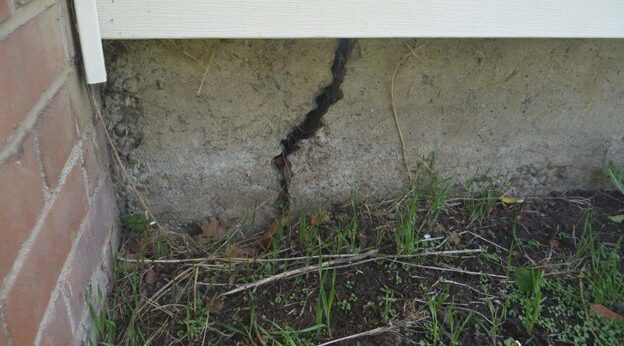
- Hairline cracks that grow over time
- Uneven settling
- Doors and windows that don’t line up
According to the American Concrete Institute, concrete continues to gain strength for weeks after pouring, even though it may look solid much earlier.
The Quick Answer: How Long to Leave Foundations Before Building
In most standard builds, you should wait:
- 7 days before light framing
- 14 days for moderate loads
- 28 days for full design strength
That 28-day mark is the industry benchmark. By then, concrete reaches about 90–100% of its intended strength, according to data from the Portland Cement Association.
But this is only a starting point. Real-world conditions can change the timeline.
What Affects Foundation Waiting Time?
No two sites are exactly the same. Several factors influence how long you should wait.
1. Type of Foundation
Different foundations cure and settle at different rates.
- Slab-on-grade: Often ready sooner, usually 7–14 days
- Crawl space foundations: May need closer to 14–21 days
- Basement foundations: Often require the full 28 days
Basements take longer because walls and footings handle more pressure.
2. Soil Conditions
Soil plays a bigger role than most people realize.
Clay-heavy soil, for example:
- Holds moisture longer
- Expands and contracts
- Increases settling risk
Sandy soil drains faster but may need extra compaction time.
A soil report from a geotechnical engineer can help guide safe timing. The International Code Council recommends soil testing for structural safety in many regions.
3. Weather and Temperature
Concrete curing slows in cold weather and speeds up in warm conditions.
- Cold weather: Slower curing, longer wait
- Hot weather: Faster surface curing, but risk of cracking
- Rain: Can weaken surface strength if not protected
In colder climates, builders may wait beyond 28 days or use curing blankets and additives.
4. Foundation Size and Load
A small home foundation and a multi-story structure are not the same.
Heavier structures need:
- More curing time
- Stronger soil support
- More inspection checkpoints
If your project includes heavy framing, masonry, or steel, waiting longer is often the safer move.
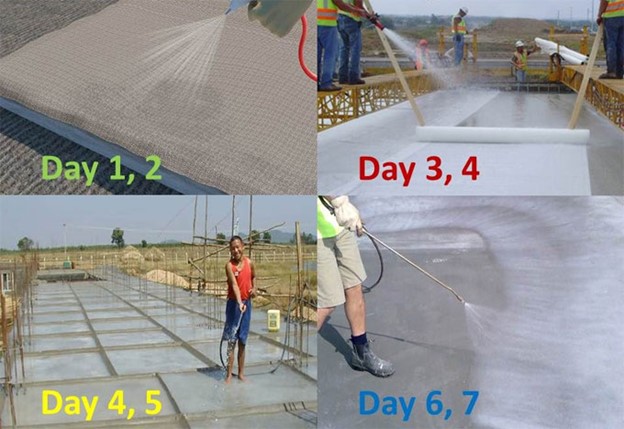
Visual: Foundation Curing and Early Build Risks
Seeing this process helps explain why rushing can cause long-term damage you may not notice right away.
Can You Build Before 28 Days?
Yes, but only under controlled conditions.
Many builders begin framing after 7–14 days when:
- Concrete tests confirm sufficient strength
- Loads are added gradually
- Weather conditions are stable
This is common in residential construction, but it’s never guesswork.
Contractors often use compressive strength tests to confirm safety.
According to ASTM International, strength testing is the safest way to decide when to proceed.
Risks of Building Too Soon
Building before a foundation is ready doesn’t always fail right away. Problems often show up months or years later.
Watch out for:
- Cracks forming near load-bearing walls
- Sloping floors
- Gaps around windows and doors
- Moisture intrusion
Foundation repairs are expensive and disruptive. Waiting costs time. Repairs cost peace of mind.
How Professionals Decide When to Build
Experienced builders don’t rely on dates alone. They look at:
- Concrete test results
- Soil stability reports
- Weather history during curing
- Structural load plans
This layered approach is why professional guidance matters, especially for custom or high-value builds.
Tips to Protect Your Foundation During the Waiting Period
While you wait, a few simple steps protect your investment.
- Keep the concrete moist during early curing
- Prevent heavy equipment from driving over it
- Protect exposed areas from extreme heat or freezing
- Ensure proper drainage around the site
These steps help the concrete cure evenly and reduce surface cracking.
Common Myths About Foundation Waiting Time
“Concrete is hard in 24 hours, so it’s ready.”
It’s hard, but not strong enough for full loads.
“Waiting longer always makes it stronger.”
Strength gains slow after 28 days. After that, other factors matter more.
“Weather doesn’t matter if it’s poured right.”
Weather always matters. Temperature and moisture affect curing every time.
Local Building Codes and Inspections Matter Too
Even if your foundation looks ready, local rules still decide when you can build.
Most cities and counties require inspections before framing starts. These checks confirm the foundation meets safety and strength standards.
Here’s what inspectors usually look for:
- Proper curing time based on local climate
- Correct footing depth and width
- Steel placement and concrete finish
- Soil conditions around the foundation
Skipping or rushing this step can stop your project fast. I’ve seen builds delayed weeks because someone assumed approval instead of waiting for it.
Always confirm inspection sign-off before moving forward. It protects you, keeps your project legal, and helps avoid future resale or insurance problems.
Conclusion
Knowing how long to leave foundations before building helps you protect your structure, budget, and long-term safety.
While 28 days is the standard benchmark, real-world factors such as soil, weather, and foundation type can affect the ideal wait time.
If there’s one rule that never fails, it’s this: don’t rush the part of the build that holds everything else up.
Taking the right pause now can save you years of problems later.