How Many Catch Basins Do I Need for Drainage System

How many catch basins do I need for drainage system? Learn how size, slope, rainfall, and use affect the right number for safe, code-ready drainage.
If you’re asking how many catch basins do I need for drainage system, you’re already thinking ahead.
Drainage problems don’t show up all at once. They build quietly on standing water, soggy pavement, bad smells, and clogged pipes.
I’ve seen this firsthand on commercial sites, especially food and hospitality properties.
One missed drain can lead to flooded loading zones, slippery walkways, or even health inspection issues.
Good catch basin maintenance starts with getting the number right from day one.
This guide explains what really determines how many catch basins you need, without guesswork or fluff.
What a Catch Basin Actually Does
A catch basin collects rainwater and surface runoff before it floods your property. It also traps debris like:
- Leaves
- Food waste
- Dirt and grease
- Trash washed in by rain
That debris settles at the bottom instead of entering your storm pipes.
If you don’t have enough basins, water moves too fast and overwhelms the system.
Why “One-Size-Fits-All” Doesn’t Work
There’s no fixed number that works for every property.
Two parking lots of the same size may need very different setups. Why? Because drainage depends on how water behaves on your site.
Here’s what changes the number.
Key Factors That Decide How Many Catch Basins You Need
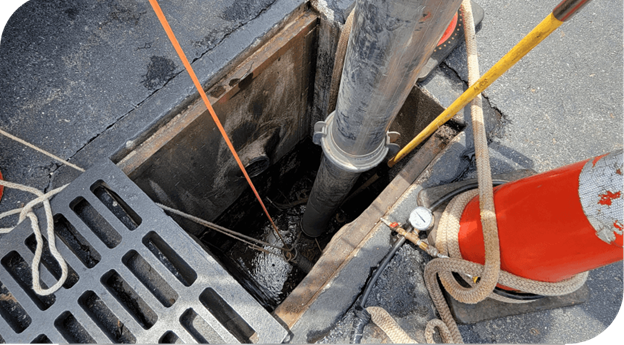
Let’s look at each one:
1. Total Surface Area
Bigger surface = more water.
As a general planning rule used by many contractors:
- 1 catch basin for every 4,000–6,000 sq ft of paved area
This is a starting point, not a final answer.
2. Slope and Water Flow
Water follows gravity.
- Flat areas need more basins
- Sloped areas may need fewer, but placed carefully
Low spots are critical. If water naturally pools somewhere, that’s a basin location—no debate.
3. Rainfall Intensity in Your Area
Heavy rain areas need more drainage points.
In the GTA, short but intense storms are common. That means:
- Faster runoff
- Higher flood risk
- More frequent storm drain cleaning
According to municipal stormwater guidance, systems must handle peak rainfall events, not average rain days.
4. Type of Property Use
This is often ignored—and it shouldn’t be.
Food & Hospitality Sites Need Extra Attention
Restaurants, hotels, and food facilities create:
- Grease runoff
- Organic waste
- Higher clog risk
This is why commercial catch basin cleaning is more frequent for these sites.
Industry operators stress proper drainage to prevent contamination and pest issues in service areas, as noted in food safety facility guidance.
5. Catch Basin Size
Not all basins handle the same load.
- Small basins fill faster
- Larger basins hold more debris and water
Sometimes it’s smarter to install fewer large basins instead of many small ones.
Quick Estimation Guide (Realistic Ranges)
Use this as a rough planning tool only.
| Area Type | Typical Catch Basin Count |
| Small commercial lot (5,000–8,000 sq ft) | 1–2 |
| Medium plaza (10,000–20,000 sq ft) | 3–5 |
| Large commercial site (30,000+ sq ft) | 6–10+ |
A drainage professional should always confirm final numbers.
Signs You Don’t Have Enough Catch Basins
If your site already exists, watch for these red flags:
- Water pooling after rain
- Slow draining near doors or docks
- Ice buildup in winter
- Bad smells from drains
- Frequent backups despite catch basin cleaning GTA services
These signs usually indicate that water is traveling too far before it reaches a drain.
Placement Matters More Than Quantity
Ten poorly placed basins won’t outperform four well-placed ones.
Best placement rules:
- Install at low points
- Add basins near downspouts
- Place near loading docks and kitchen exits
- Avoid long stretches without drainage breaks
How Catch Basin Cleaning Affects System Design
A drainage system is only as good as its maintenance plan.
Basins that aren’t cleaned lose capacity fast.
For food-related properties, many facility managers follow maintenance schedules aligned with hygiene and safety standards discussed in hospitality operations resources.
That’s why systems designed with accessible basins are easier and cheaper to maintain.
Why Commercial Sites Need Professional Input
I’ve seen property owners rely on rules of thumb and regret it later.
A proper drainage assessment includes:
- Surface grading review
- Water flow testing
- Rainfall data
- Pipe capacity checks
Professionals who specialize in storm drain cleaning and inspections often identify issues installers miss.
Cost of Adding vs. Fixing Later
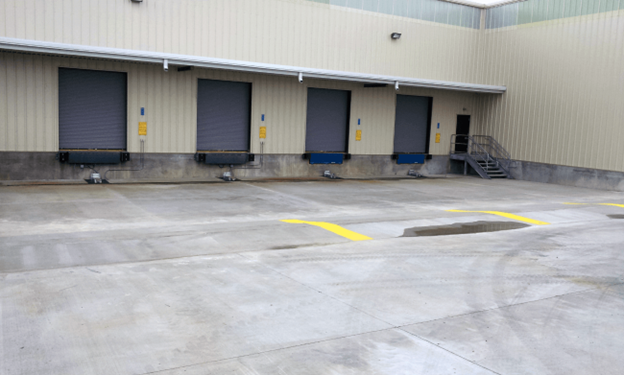
Adding basins during planning or upgrades costs far less than fixing:
- Flooded asphalt
- Foundation damage
- Slip-and-fall claims
- Health inspection problems
Especially for food and hospitality properties, drainage failures don’t stay small for long.
Common Mistakes to Avoid
- Relying only on square footage
- Ignoring grease and debris load
- Skipping maintenance access
- Using residential drainage standards on commercial sites
Each of these leads to early system failure.
When to Re-Evaluate Your Drainage System
You should reassess basin count if:
- You expanded your building
- You repaved or regraded the lot
- Flooding increased after renovations
- Cleaning frequency keeps rising
Those changes usually mean the original design no longer fits.
How Professionals Calculate the Right Number of Catch Basins
When you work with a drainage professional, the number of catch basins isn’t guessed. It’s calculated using real site data.
Engineers and drainage experts look at how water behaves during heavy rain, not light showers.
They usually review:
- Drainage area size and surface type (asphalt, concrete, landscaping)
- Rainfall intensity data for your region
- Flow direction and speed across the site
- Pipe size and outlet capacity
For commercial properties, especially food-related sites, extra weight is given to debris load and cleaning access.
This is why properties that schedule regular commercial catch basin cleaning often perform better long-term.
The system isn’t just designed to drain water; it’s designed to stay functional between cleanings.
Conclusion
So, how many catch basins do I need for drainage system planning?
The real answer depends on:
- Surface size
- Water flow patterns
- Rainfall intensity
- Property use
- Maintenance needs
Getting the number right protects your property, your customers, and your operations.
For commercial and food-related sites, smart drainage design isn’t optional, it’s part of running a safe, reliable facility.
If you want drainage that works in real conditions, start with the right number of catch basins and support it with consistent, professional care.