What Is Active Recreation in Physical Education?

What is active recreation in physical education? Learn about what it means, it’s examples, benefits, and why it matters in schools.
If you think back to your school days, you probably remember PE class. Maybe it was football on a hot field.
Maybe it was relay races or simple stretching drills. What you were doing then is called active recreation.
What is active recreation in physical education? It is physical activity done for fun, health, and learning.
It keeps students moving while helping them grow stronger and more confident.
If you are preparing for a career in this field, the resources at https://triatmamulya.ac.id/program-studi-sarjana-pendidikan-olahraga-kesehatan-rekreasi/ give you the skills to teach sports, health, and recreational activities in a structured way.
That training matters because active recreation is not random play. It has purpose.
Let’s take a closer look at what it really means and why it matters in schools.
Active Recreation Meaning in Physical Education
Active recreation in physical education refers to planned physical activities that improve fitness, build skills, and encourage enjoyment.
It includes activities that:
- Raise your heart rate
- Strengthen muscles
- Improve balance and coordination
- Encourage teamwork
- Support mental well-being
The key word here is active. Students are moving their bodies. They are not sitting, watching, or scrolling on a phone.
In PE, these activities are structured. There are rules, learning goals, and safety guidelines.
Examples of Active Recreation in PE
Active recreation does not only mean competitive sports. It includes many types of physical activity.
Here are common examples used in schools:
1. Team Sports
- Football
- Basketball
- Volleyball
- Handball
These teach cooperation and strategy.
2. Individual Activities
- Running
- Gymnastics
- Swimming
- Skipping rope
These build personal discipline and endurance.
3. Fitness-Based Activities
- Aerobics
- Circuit training
- Bodyweight exercises
- Stretching routines
These improve overall fitness.
4. Outdoor Recreation
- Hiking
- Cycling
- Obstacle courses
These encourage adventure and enjoyment of nature.
All of these fall under active recreation because they involve movement and energy.
Why Active Recreation Is Important in Schools
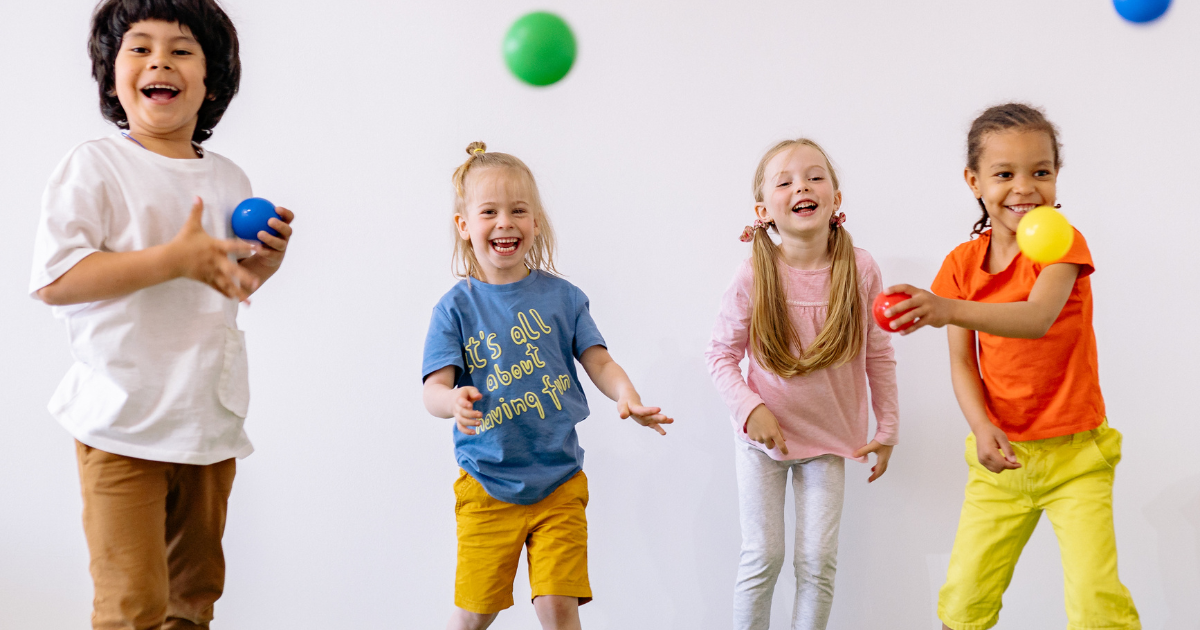
You might ask, why is this so important?
Because movement supports the whole child, body and mind.
1. It Improves Physical Health
According to the World Health Organization, children and adolescents need at least 60 minutes of moderate-to-vigorous physical activity daily.
Schools play a major role in helping students meet this goal.
Regular active recreation helps:
- Maintain healthy weight
- Strengthen bones
- Improve heart health
- Reduce risk of lifestyle diseases
When students build active habits early, they are more likely to stay healthy as adults.
2. It Supports Mental Health
Physical activity is strongly linked to mental well-being.
The Centers for Disease Control and Prevention explains that regular movement can reduce anxiety and improve mood.
Students who participate in active recreation often:
- Feel happier
- Sleep better
- Focus more in class
- Handle stress better
If you’ve ever noticed students come back from PE more relaxed and ready to learn, you’ve seen this benefit.
3. It Builds Social and Life Skills
Active recreation teaches more than physical skills.
Students learn:
- Teamwork
- Respect for rules
- Leadership
- Communication
For example, in a football game, students must cooperate. They learn to win with humility and lose with grace. These are life lessons that stay with them.
Active Recreation vs Passive Recreation
To understand active recreation better, it helps to compare it with passive recreation.
| Active Recreation | Passive Recreation |
| Involves physical movement | Little or no movement |
| Improves fitness | Limited health benefit |
| Examples: sports, dance | Examples: watching TV, gaming |
| Boosts stamina | Mostly entertainment |
Both can be enjoyable, but only one strengthens your body.
The Role of Physical Education Teachers
Active recreation in physical education is not just about letting students play freely.
Teachers must:
- Plan safe activities
- Adapt exercises for different abilities
- Prevent injuries
- Encourage participation
A qualified PE teacher understands child development, exercise science, and safety standards.
According to SHAPE America, quality physical education programs improve both physical literacy and academic performance.
This is why professional training matters. Teaching sports without proper knowledge can lead to injuries or poor learning outcomes.
How Active Recreation Supports Academic Success
You may be surprised to learn that physical activity helps students perform better in school.
Research shared by the Centers for Disease Control and Prevention shows that students who are physically active tend to have:
- Better grades
- Improved concentration
- Stronger memory
Movement increases blood flow to the brain. When students are active, their brains work better.
So PE is not a “waste of time.” It supports classroom learning.
Long-Term Benefits of Active Recreation
Active recreation does not only help students now. It shapes their future.
Here’s how:
Healthy Lifestyle Habits
Students who enjoy sports are more likely to stay active as adults.
Reduced Risk of Disease
According to the World Health Organization, regular physical activity lowers the risk of heart disease, diabetes, and certain cancers.
Improved Confidence
Mastering physical skills builds self-esteem. When students see progress, they believe in themselves more.
Better Social Adjustment
Team activities improve communication and problem-solving skills.
These benefits extend beyond school walls.
Challenges Schools Face
Despite its importance, some schools struggle to deliver quality active recreation programs.
Common challenges include:
- Limited equipment
- Small playgrounds
- Large class sizes
- Low student motivation
Solutions can include:
- Using bodyweight exercises when equipment is limited
- Rotating activity stations
- Offering a mix of competitive and non-competitive games
- Encouraging effort instead of only rewarding winners
A good PE program focuses on participation and growth.
How You Can Support Active Recreation
If you are an educator, parent, or student, you play a role.
If You Are a Teacher
- Make lessons engaging
- Encourage every student
- Adapt activities for different skill levels
If You Are a Parent
- Limit screen time
- Encourage outdoor play
- Join your child in active hobbies
If You Are a Student
- Try different activities
- Focus on improvement
- Stay consistent
Small actions create lasting habits.
Why Active Recreation Matters More Today
Today, many children spend hours on phones and computers. Sedentary lifestyles are becoming common.
The World Health Organization warns that physical inactivity is a major risk factor for global mortality.
This makes physical education more important than ever.
Active recreation gives students a structured way to move, learn, and grow in a safe environment.
Conclusion
So, what is active recreation in physical education?
It is a structured, enjoyable physical activity that improves health, builds skills, and supports overall development.
It strengthens the body.
It supports mental health.
It teaches teamwork.
It builds lifelong habits.
When schools invest in quality physical education, they are not just teaching games.
They are shaping healthier, stronger, and more confident individuals.