Why Cleaning Schedule Is Important For Homes & Offices

Do you know why cleaning schedule is important? It’s for better health, less stress, and a more organized home or office. Learn more here!
Life gets messy now that we’re all busy. I remember one Sunday morning, I opened the fridge and nearly choked from the bad smell.
Something had gone bad, and I had no idea what or when.
That moment was a revelation for me, showing why cleaning schedule is important. I’d been so busy, I hadn’t cleaned properly in weeks.
This sounds familiar, right?
If you’re juggling work, family, and errands, cleaning isn’t always what comes first on your list, even when you know it should be done.
But what you don’t know is that skipping it isn’t saving time. It’s just storing up stress for later.
And you must know that you don’t need a perfect cleaning schedule. You only need it to make life easier, healthier, and calmer with one small task at a time.
So, here’s why it’s important to have a cleaning schedule:
1. Keeps You and Your Family Healthier
Keeping a regular cleaning routine is one of the easiest ways to protect your health and your family’s.
Dust, mold, pet dandruff, and germs build up fast when cleaning isn’t consistent.
Apart from these being annoying, they can trigger allergies, asthma, and colds.
In fact, a 2023 article from ISSA, the worldwide cleaning industry association, confirms that regular cleaning removes allergens, dust mites, and pollutants, directly improving indoor air quality and respiratory health.
That’s a big deal, especially during allergy season or when someone in the house is sick.
High-touch areas like doorknobs, light switches, kitchen counters, and bathroom sinks are germ hotspots. If you’re not wiping them down weekly, you’re basically inviting sickness in.
One study found that unwashed surfaces can spread pathogens that cause illness. In homes with kids or elderly family members, this risk goes up.
In offices, the problem spreads faster. Shared desks, phones, and break rooms are perfect for germs to move from person to person.
Poor workplace cleanliness has been linked to more sick days and lower productivity. That’s why many Edmonton cleaning services focus on disinfecting high-touch areas daily.
Places like medical clinics, daycare centers, and schools rely on strict cleaning schedules.
In healthcare, inconsistent cleaning can even put patient safety in danger.
Standardized cleaning protocols are essential for infection prevention, according to Infection Control Today.
Even at home, regular cleaning removes allergens and respiratory irritants.
A clean home significantly reduces the presence of dust mites, pet dander, and airborne particles.
Now, everything looks tidy, and you can breathe easier.
2. Saves Time, Money, and Mental Energy
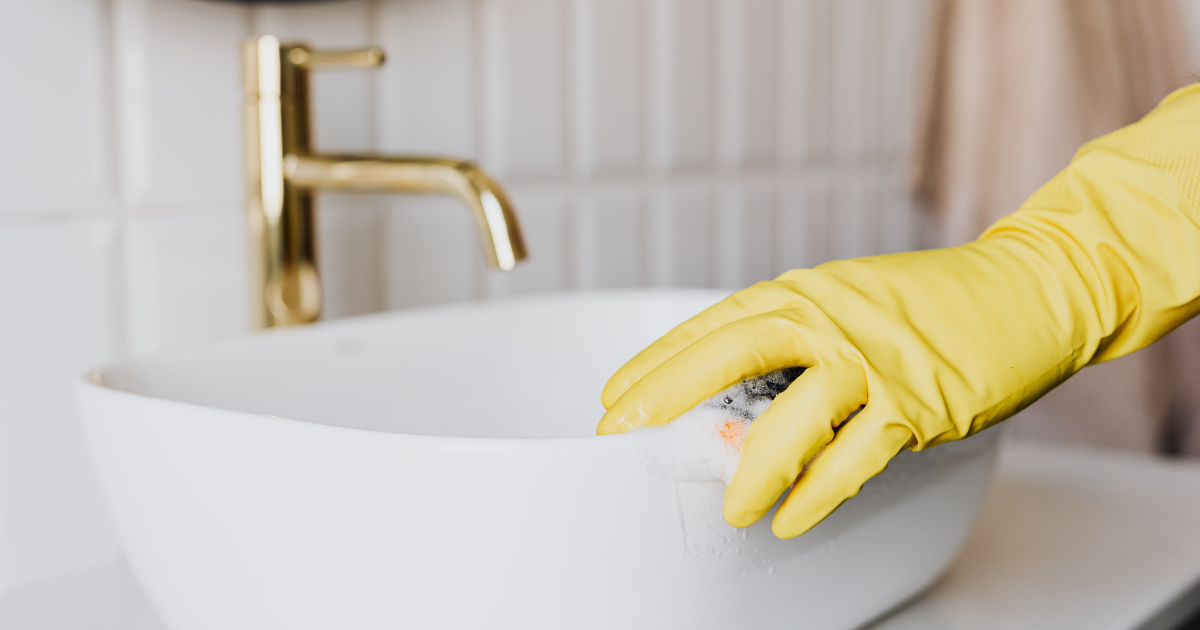
I don’t know about you, but I don’t want to spend my weekend scrubbing the bathroom.
But waiting until the mess piles up makes it worse.
I used to wait until the house was a disaster, then spend hours cleaning it up. Now, I do 10–15 minutes a day.
It’s way less stressful. And I’m not the only one experiencing it. People who stick to a cleaning schedule say they feel more in control and less overwhelmed.
The reason is that small, consistent tasks take less effort than massive cleanups.
Wiping the sink every night takes 30 seconds. But if you wait a week, you’re dealing with dried toothpaste, soap scum, and maybe even mold. That’s 20 minutes with harsher cleaners.
Regular cleaning also protects your stuff. Floors last longer when you mop weekly instead of letting dirt grind in.
Appliances run better when grease and grime don’t build up. Even your couch stays fresher with routine vacuuming.
And let’s talk money. Deep cleaning services cost more because they fix problems, not prevent them.
But if you keep up with weekly tasks, you might only need a professional visit twice a year.
Some people hire house cleaning Edmonton companies for regular visits, which is a smart move.
Recurring cleaning is often cheaper per visit, and it keeps your home in top shape without the burnout.
According to Clean Home Colorade, the average person spends 12,896 hours cleaning in their lifetime. That’s 1.5 years or 77 weeks.
A schedule helps you use that time wisely.
3. Makes Work and Home Life Run Smoother
Ever walked into a cluttered office and instantly felt overwhelmed? Mess isn’t just visual. It messes with your brain.
Clutter distracts the mind and lowers focus. A clean space helps you think clearly and work better.
That’s why offices have a cleaning schedule, and they’re not optional. They’re part of keeping things running.
Daily tasks like emptying trash, sanitizing restrooms, and wiping desks keep things under control.
Weekly jobs like vacuuming and deep cleaning break rooms prevent bigger issues. Without this, dust and grease pile up, pests move in, and equipment wears out faster.
Restaurants and stores live by cleaning checklists because crumbs behind counters and grease under fryers are “pest magnets.”
A regular schedule stops infestations before they start.
At home, the same rules apply. When everyone knows what needs doing—and when—it’s easier to pitch in.
You can assign tasks based on who’s home or what people like doing.
Maybe your teen hates mopping but doesn’t mind taking out the trash. That’s fine. The goal is consistency, not perfection.
And if you’re moving, a cleaning schedule can save you a lot of time.
Move out cleaning services in Edmonton, like Nice To Be Clean, handle the tough stuff, inside ovens, behind fridges, window tracks, so you don’t lose your deposit.
Landlords expect the place to be spotless, and pros know exactly what inspectors check.
4. Builds Habits That Last Without the Stress
The best cleaning schedule is the one you’ll actually follow without strict rules.
Start simple. Make your bed every morning. Do dishes right after dinner. Tidy one room before bed. These small wins add up.
Experts say the key is to keep supplies handy and pair cleaning with something fun, like a podcast or music.
Set a timer for 10 minutes and just go, no pressure to finish everything. Or try “one room a day.”
Focus on the kitchen on Monday, the bathroom on Tuesday, and so on.
For families, involve everyone. Give kids small jobs like putting away toys or feeding pets. It teaches responsibility and lightens the load.
In offices, a master cleaning schedule lists who does what and when.
Managers review it regularly to make sure it’s working. Same at home. Check in every few weeks. Is the plan working? Adjust as needed.
Conclusion
A cleaning schedule helps to keep your air cleaner, your body healthier, and your days less stressful.
Whether you do it yourself or get help from Nice To Be Clean, the routine matters. Small efforts add up.
And over time, you’ll notice the difference, not just in your space, but in how you feel.
So start small. Pick one habit. Build from there.