How Often Do Brakes Get Replaced?
How often do brakes get replaced? Learn what affects brake life, warning signs, when pads and rotors need service, and how to prevent costly brake damage.
How often do brakes get replaced?
There is no single mileage number that works for every car.
Some drivers may go many years before replacing their brake pads, while others may need them much sooner.
Your driving habits, traffic, vehicle weight, road conditions, brake parts, and how often you brake all affect wear.
For example, frequent stop-and-go driving can put more heat and friction through the braking system than steady highway driving.
That is why a brake inspection can tell you more than the odometer alone.
If you need a convenient inspection or repair at your home, workplace, or another location, a mobile mechanic Athens GA service is a good option.
The important point is to look at the actual condition of the brake system rather than replace parts simply because the vehicle has reached a certain mileage.
How Long Do Brake Pads Usually Last?
Brake pads are wear parts.
Every time you press the brake pedal, the pads press against the rotor and create friction that slows the vehicle.
Because of this, brake pads do not have a fixed replacement date.
A Toyota maintenance resource notes that brake-pad life can vary because of factors such as driving habits, road conditions, and the type of brake pads installed.
The best approach is to inspect the pads and replace them when their condition shows that they are worn.
Factors that can shorten brake-pad life include:
- Frequent city or stop-and-go driving
- Heavy braking
- Carrying heavy loads
- Driving on steep roads
- Repeated hard stops
- Poor-quality or incorrect brake parts
- A sticking brake caliper
- Driving conditions that create extra heat or friction
So, if you are asking how often do brakes get replaced, the more useful question is: How much brake material is left, and is the rest of the system working correctly?
What Are the Signs Your Brakes Need Replacing?
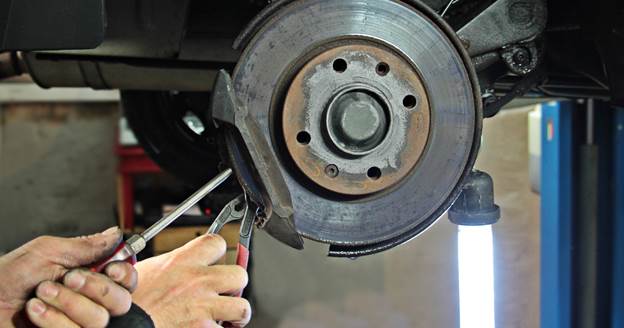
Your car can give you several warnings when brake components are wearing out.
1. Squeaking or squealing
A high-pitched noise when braking can come from a brake-pad wear indicator.
However, not every brake noise means the pads are finished.
Moisture, dust, temperature, and other conditions can also cause temporary noise.
2. Grinding or scraping
Grinding is more serious.
It may mean the friction material has worn down enough for metal parts to contact the rotor.
Toyota warns that grinding while braking can indicate severe pad wear and possible rotor damage.
If you hear persistent grinding, do not keep driving normally and hope it goes away.
Have the braking system checked.
3. A soft or unusual brake pedal
A brake pedal that feels unusually soft, sinks farther than normal, or requires more effort deserves attention.
The cause may not be worn pads alone.
It could involve brake fluid, hydraulic components, air in the system, or another fault.
For example, Honda’s current owner information says a low brake-fluid level should prompt an inspection for leaks or worn brake pads.
4. Vibration when braking
A shaking steering wheel or pulsating brake pedal can point to a rotor problem or another issue within the braking system.
This is one reason replacing brake pads without inspecting the rotors is not always enough.
5. A brake warning light
A warning light should never be ignored.
A brake-system warning can indicate a problem beyond normal pad wear.
NHTSA documentation explains that brake warning indicators can be used to alert drivers to significant brake-system faults.
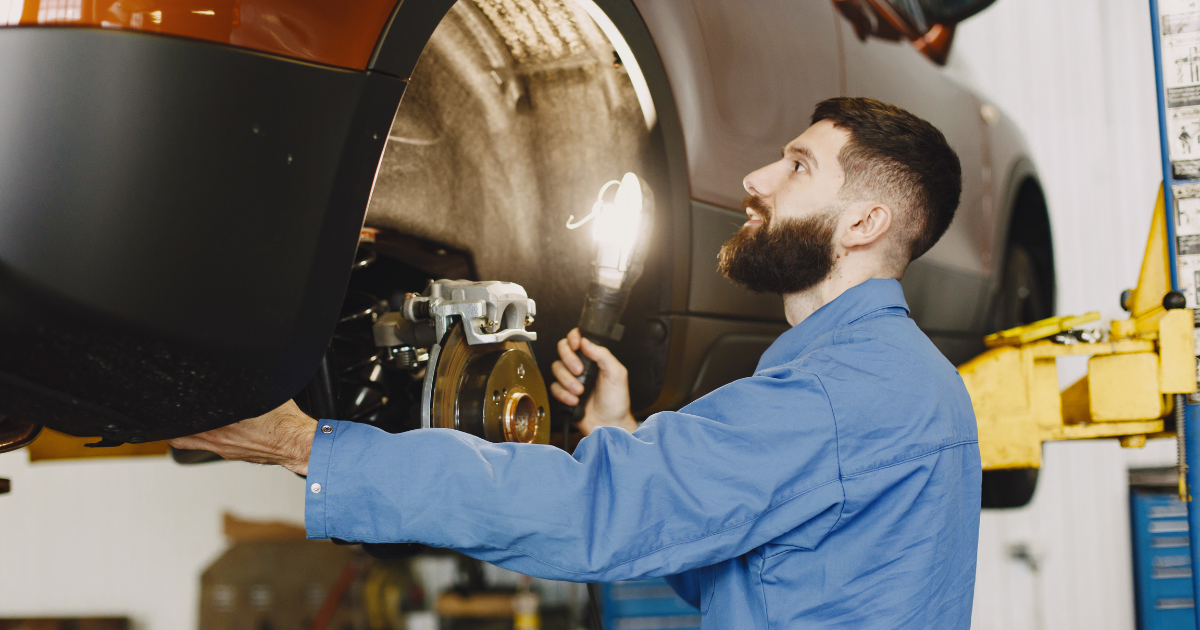
Do Brake Rotors Need to Be Replaced With Pads?
Brake pads and rotors wear together, but they do not necessarily reach the end of their useful life at the same time.
During a brake service, the technician should check the rotors for problems such as:
- Excessive wear
- Cracks
- Deep scoring
- Uneven surfaces
- Excessive runout
- Damage caused by severely worn pads
Toyota’s maintenance documentation specifically calls for checking brake pads and discs for excessive wear and other damage rather than automatically replacing every component at the same interval.
That distinction matters because replacing parts that still meet the vehicle’s requirements can add unnecessary cost, while ignoring damaged parts can create safety problems.
How Driving Habits Affect Brake Replacement
Two people can own the same vehicle and need brake service at very different times.
Consider these examples:
Driver A: Mostly drives on open roads, maintains a steady speed, and brakes smoothly.
Driver B: Drives through heavy traffic every day, makes frequent stops, carries heavy loads, and brakes hard.
Driver B will generally put more stress on the braking system.
Long downhill driving can also create significant brake heat.
Honda warns that continuously using the brake pedal on a long downhill can build heat and reduce braking effectiveness.
Good driving habits can therefore help reduce unnecessary brake wear, but they cannot stop normal wear completely.
How Often Should Brakes Be Inspected?
Brake inspections should follow the vehicle manufacturer’s maintenance recommendations, with additional checks when you notice a change in braking performance.
Ford, for example, recommends a thorough brake inspection at specified maintenance intervals and advises owners to follow the vehicle owner’s guide for vehicle-specific requirements.
It is also sensible to have the brakes checked when:
- You hear a new or persistent brake noise
- The vehicle takes longer to stop
- The pedal feels different
- The steering wheel shakes during braking
- A brake warning light appears
- You feel pulling to one side
- You recently drove through conditions that may have affected the brakes
An inspection can catch wear before it turns into a more expensive repair.
Conclusion
How often do brakes get replaced?
The answer depends on wear, not a general schedule.
Brake pads should be replaced when they reach the manufacturer’s wear limit or when inspection shows that they are damaged or no longer suitable for safe use.
Rotors, calipers, brake lines, and other components should also be assessed rather than replaced automatically.
If you are wondering how often do brakes get replaced because of a noise, warning light, vibration, or change in pedal feel, do not rely on mileage alone.
Those symptoms are more useful clues that your braking system needs attention.
The safest habit is to follow your vehicle’s maintenance schedule, pay attention to changes in braking performance, and have the system inspected before worn parts cause damage to other components.
Good brake maintenance is not just about replacing pads on time; it is about making sure the entire system can slow and stop the vehicle when you need it most.