What Maintenance Is Required for a Diesel Engine?

What maintenance is required for a diesel engine? Learn the key oil, filter, coolant, fuel, air, battery, DPF, and inspection tasks.
What maintenance is required for a diesel engine?
The answer includes much more than changing the oil.
Diesel maintenance covers the lubrication system, fuel system, cooling system, air intake, exhaust system, battery, belts, hoses, and other engine parts.
The exact schedule depends on the engine, vehicle, workload, age, and manufacturer’s instructions.
Though a diesel engine can work hard for years, it still needs regular care.
Oil that becomes dirty, a clogged fuel filter, low coolant, or a restricted air filter can slowly turn a strong-running engine into an expensive repair.
The gap between “it still runs” and “it runs properly” is often found in routine maintenance.
A good diesel repair near me can provide that maintenance for your diesel engine.
Knowing what to check can help you spot problems before they become major repairs.
What Maintenance Is Required for a Diesel Engine?
A good diesel maintenance routine usually includes these key tasks:
- Changing engine oil and the oil filter
- Replacing fuel filters
- Checking the cooling system
- Inspecting and replacing the air filter
- Checking belts, hoses, and connections
- Maintaining the battery and electrical system
- Checking the exhaust and emissions system
- Inspecting the turbocharger where fitted
- Checking fluid levels and leaks
- Following the manufacturer’s service schedule
Not every diesel engine has the same service interval.
For example, Cummins lists different maintenance intervals for different engines and says owners should follow the specific Operation and Maintenance Manual.
1. Change the Engine Oil and Filter
Engine oil protects moving parts from excessive friction and heat.
Over time, it becomes contaminated with soot, fuel residue, and other materials.
Regular oil and filter changes help protect parts such as:
- Pistons
- Bearings
- Crankshaft
- Camshaft
- Turbocharger
Do not choose oil only because it is labeled “diesel oil.”
Use the viscosity and specification recommended for your particular engine.
DEUTZ notes that modern diesel engines place high demands on lubricating oil because of heat and contamination.
Oil should also be checked between services.
A sudden drop in oil level may point to a leak, burning oil, or another engine problem.
2. Replace the Fuel Filters
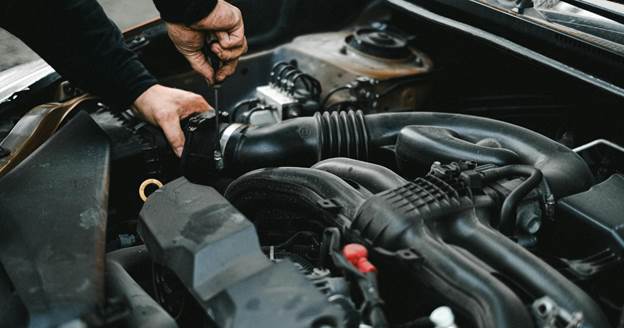
Fuel quality matters greatly in a diesel engine.
The fuel system uses precise components, including injectors and high-pressure pumps, which can be affected by contaminated fuel.
Fuel filter maintenance helps remove dirt and other contaminants before they reach sensitive components.
Many diesel systems also use a water separator.
Water in diesel fuel can reduce lubrication in fuel-system components and may contribute to costly damage.
Cummins specifically recommends draining the fuel-water separator when applicable.
If the engine starts becoming difficult to start, loses power, runs unevenly, or uses more fuel than usual, the fuel system deserves attention.
3. Maintain the Cooling System
Diesel engines generate substantial heat, so the cooling system must work correctly.
Regular checks should include:
- Coolant level
- Coolant condition
- Radiator condition
- Hoses
- Clamps
- Water pump
- Thermostat
- Cooling fan
Low coolant or a cooling-system leak can lead to overheating.
Overheating should never be ignored because excessive heat can damage major engine components.
The correct coolant matters too.
Avoid mixing products unless the manufacturer says they are compatible.
4. Check the Air Filter
A diesel engine needs a steady supply of clean air for combustion.
A dirty or restricted air filter can reduce airflow and affect engine performance.
During maintenance, inspect the filter and its housing for dirt, damage, or poor sealing.
Replace the filter according to the manufacturer’s instructions rather than waiting until the engine develops a serious performance problem.
If you regularly drive on dusty roads or operate equipment in dirty conditions, the air filter may need attention more often.
5. Inspect Belts, Hoses, and Leaks
Small problems can become large ones when they are ignored.
During routine servicing, inspect:
- Drive belts
- Coolant hoses
- Fuel lines
- Oil lines
- Electrical connections
- Gaskets and seals
Look for cracks, swelling, loose connections, worn belts, or signs of fluid leakage.
A small oil or coolant leak may seem harmless at first, but losing fluid over time can put the engine at risk.
What About the Diesel Exhaust and DPF?
Modern diesel engines may have emissions equipment such as a diesel particulate filter (DPF).
This system traps soot from the exhaust and uses regeneration to burn accumulated particulate matter.
However, ash can build up over time and require cleaning.
The U.S. Environmental Protection Agency explains that DPF maintenance depends on the system and operating conditions, and that excessive buildup or poor regeneration can require additional service.
Do not ignore a DPF warning light.
Repeated regeneration problems may also point to an underlying engine or fuel-system issue.
How Often Should Diesel Maintenance Be Done?
There is no single schedule that works for every diesel engine.
Your service interval may depend on:
- Engine make and model
- Vehicle age
- Mileage
- Operating hours
- Load
- Driving conditions
- Fuel quality
- Climate
- Type of work
For example, one Cummins L9 maintenance schedule lists oil and filter, fuel filter, and coolant filter service at 15,000 miles/24,000 km or 500 hours/6 months, while other engine models have different intervals.
This is why copying another vehicle’s maintenance schedule can be a mistake.
Always use the service schedule designed for your engine.
When Should You Seek Diesel Repair?
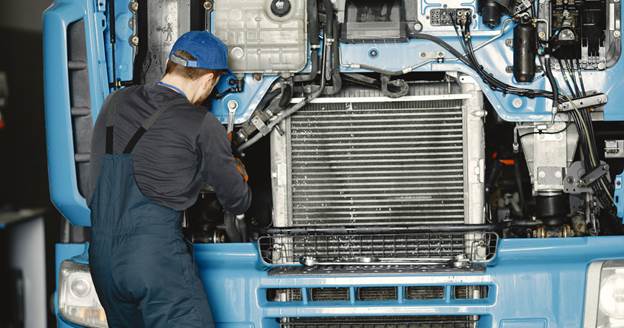
Routine maintenance cannot prevent every failure.
Some problems need proper testing and repair.
Consider getting the engine checked if you notice:
- Hard starting
- Excessive smoke
- Loss of power
- Rough idling
- Unusual knocking or tapping
- Rising coolant temperature
- Unusual oil consumption
- Poor fuel economy
- Warning lights
- Frequent DPF regeneration
- New fluid leaks
If you are looking for diesel repair near me, do not wait for a complete breakdown before having the vehicle inspected.
A diagnostic check can sometimes identify a problem while it is still relatively small.
For drivers searching for diesel repair Bryan, the same basic principle applies: describe the symptoms accurately and provide the vehicle’s service history when possible.
This gives the technician useful information before testing begins.
Conclusion
So, what maintenance is required for a diesel engine?
At its core, diesel maintenance means keeping the oil, fuel, cooling, air, electrical, and exhaust systems in good condition.
It also means following the manufacturer’s service intervals instead of waiting for warning signs.
Regular checks can help identify worn parts, leaks, contaminated fuel, restricted filters, and other problems before they cause major engine damage.
The best maintenance plan is one based on the specific engine, how it is used, and its service history.
A diesel engine does not need attention only when something goes wrong.
Consistent maintenance is what helps it keep doing its job reliably.