What Paperwork Should I Get When Buying a House?

What paperwork should I get when buying a house? Learn which contracts, loan papers, title documents, disclosures, and closing records to keep.
What paperwork should I get when buying a house?
You should expect more than a purchase contract and a set of keys.
Buying a home creates a paper trail covering the price, loan, property condition, ownership, insurance, taxes, and closing costs.
Knowing what to receive matters because a missing document can make it harder to prove what you agreed to later.
For new buyers, working with a professional North Scottsdale Luxury Real Estate Agent can also help you understand which documents apply to your transaction and when they should arrive.
Still, your lender, title company, escrow agent, attorney, and other professionals may each provide different paperwork.
The important thing is not to treat the closing folder like a pile of papers to sign.
Each document has a job.
Some show what you are buying, some explain what you are paying, and others prove that the property legally became yours.
Here are the main documents to expect and what to check before you sign.
1. Purchase Agreement
The purchase agreement is one of the most important documents in a home purchase.
It records the terms you and the seller agreed to.
It may include:
- Purchase price
- Earnest money deposit
- Closing date
- Financing terms
- Inspection conditions
- Appraisal conditions
- Seller credits
- Repairs the seller agrees to make
- Items included with the property
- Deadlines for completing certain tasks
Read this document carefully before signing.
A verbal promise about a repair or appliance may not protect you if it is not included in the contract or another signed document.
Your real estate professional should also keep you aware of important deadlines in the agreement.
2. Loan Estimate
If you are using a mortgage, your lender will normally provide a Loan Estimate early in the loan process.
It gives you important information about the proposed mortgage, including the loan amount, interest rate, estimated monthly payment, and estimated closing costs.
The Consumer Financial Protection Bureau (CFPB) says lenders generally provide the Loan Estimate within three business days after receiving a mortgage application.
Keep this document.
You will use it later to compare your estimated costs with your final numbers.
3. Closing Disclosure

The Closing Disclosure is one of the most important pieces of paperwork you should receive before closing.
It shows the final details of your mortgage and closing costs.
You can use it to check:
- Loan amount
- Interest rate
- Monthly payment
- Closing costs
- Cash needed to close
- Taxes and insurance
- Other charges and credits
For most covered mortgage loans, federal law requires the lender to provide the Closing Disclosure at least three business days before closing.
Do not simply look at the final amount.
Compare the Closing Disclosure with your earlier Loan Estimate.
If a fee, interest rate, credit, or other major detail looks different, ask why before signing.
4. Promissory Note
The promissory note is your written promise to repay the mortgage.
It normally states important loan terms such as:
- How much you borrowed
- Interest rate
- Payment schedule
- Loan term
- Where payments must be made
- Conditions that could affect your payments
This is a document you should keep for your records.
The CFPB specifically lists the promissory note among the key documents homeowners should receive at closing.
In other words, the purchase agreement covers the home transaction, while the promissory note covers your promise to repay the lender.
5. Mortgage or Deed of Trust
You may also receive a mortgage, security instrument, or deed of trust, depending on the state and transaction.
This document gives the lender a legal interest in the property as security for the loan.
If you stop making the required mortgage payments, the lender may have the right to pursue foreclosure under applicable law.
The name can differ by location, so don’t worry if your paperwork says “deed of trust” instead of “mortgage.”
The important point is understanding what you are signing.
6. Deed
The deed is especially important because it transfers legal ownership of the property from the seller to you.
At closing, the seller signs the deed, and the appropriate recording office records it according to local requirements.
The CFPB identifies the deed as one of the key documents you should have after closing.
Check that your name and the property’s legal description are correct.
If you are buying the home with another person, pay attention to how ownership is listed.
Different forms of ownership can have different legal effects.
7. Title Documents and Title Insurance
Another important group of paperwork relates to the property’s title.
You may receive documents connected to:
- Title searches
- Title commitments or reports
- Title insurance
- Title exceptions
- Recorded liens or claims
- Property ownership history
Title insurance can protect against certain claims involving problems that existed before you bought the property.
The CFPB notes that owner’s title insurance can protect your financial interest if someone later claims a prior legal interest in the home.
Don’t assume that title paperwork is just a formality.
It can reveal issues that need to be resolved before ownership changes.
8. Home Inspection Report
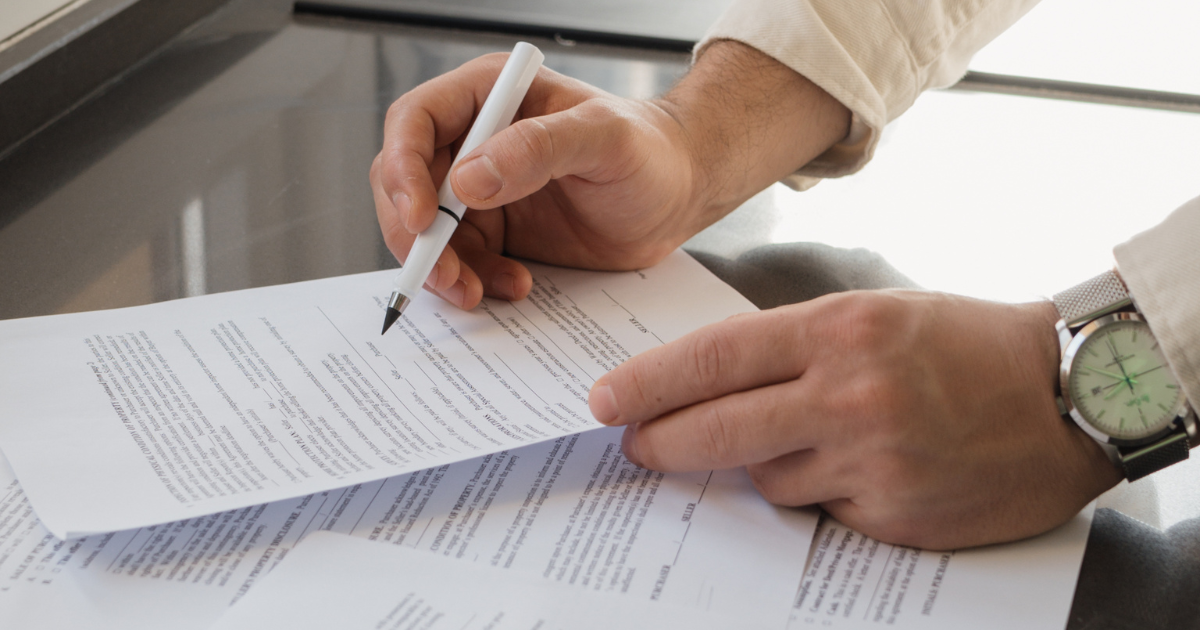
A home inspection report is another document worth keeping.
It can contain information about the home’s:
- Roof
- Foundation
- Plumbing
- Electrical systems
- HVAC equipment
- Windows and doors
- Structural components
- Safety concerns
An inspection is different from an appraisal.
An inspection looks at the home’s physical condition, while an appraisal estimates its value for the lender.
The CFPB recommends getting an independent inspection as early as possible.
If the seller agrees to make repairs, keep the inspection report along with written repair agreements and receipts or other proof of completed work when available.
Conclusion
So, what paperwork should I get when buying a house?
At minimum, expect documents covering the purchase agreement, mortgage, loan estimate, closing disclosure, promissory note, deed, title, insurance, inspection, and final closing.
The exact list can vary based on your state and transaction.
That’s why it is worth asking your lender, real estate professional, title company, or closing attorney for copies of the documents before you sign.
Most importantly, don’t feel pressured to sign paperwork you don’t understand.
A home purchase is a major financial commitment, and your documents are the written record of what you agreed to buy, what you agreed to pay, and what you legally own.