Proper Storage Solutions for Home and Business
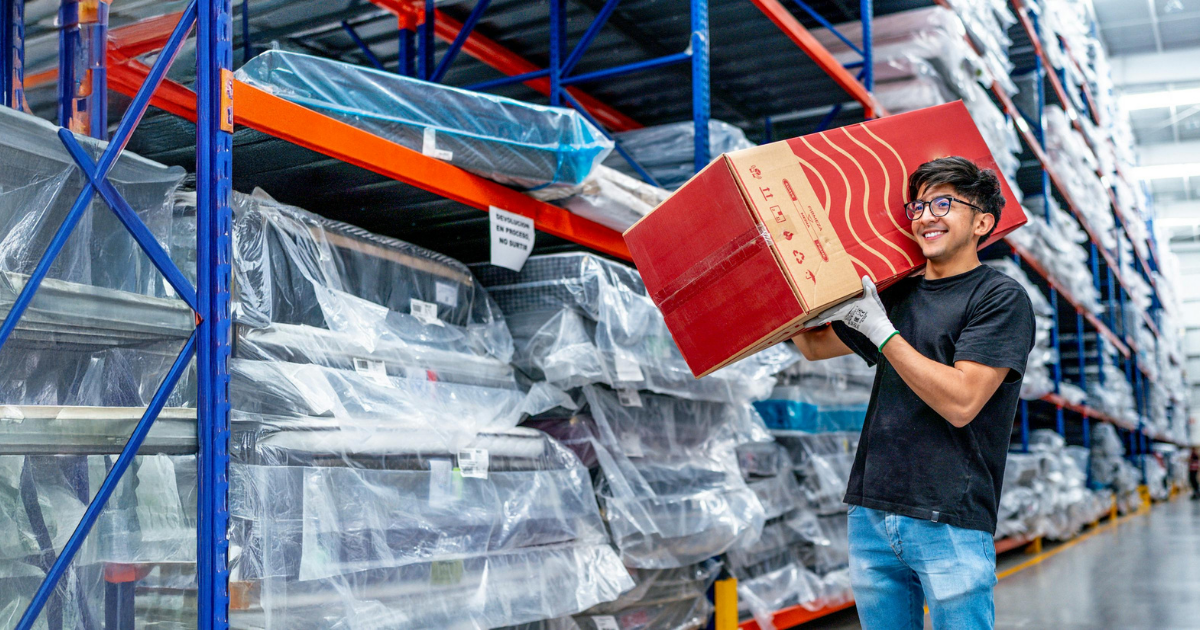
Proper storage solutions help protect furniture, documents, food, and valuables from damage. Learn how to choose, pack, organize, and maintain safe storage.
Storage is often treated as a space problem.
If something does not fit at home, it goes into a garage, basement, spare room, or storage unit.
But having extra space does not always mean your belongings are being stored properly.
Heat, moisture, pests, poor packing, and even the wrong container can damage items over time. Proper storage solutions are about more than putting things away.
They match the storage method to what you are keeping and how long you plan to keep it.
For instance, when you’re working with movers Raleigh NC, you may need storage while moving between homes, while a business may need a place for equipment or records.
The right choice depends on the item, available space, access needs, and storage conditions.
Once you look at storage this way, it becomes easier to avoid common mistakes and protect the things you may need later.
What Are Proper Storage Solutions?
Proper storage solutions are methods, spaces, and materials used to keep belongings safe, organized, and in good condition.
A good storage plan should answer four questions:
- What are you storing?
- How long will it stay there?
- How often will you need it?
- What conditions could damage it?
A winter coat may only need a clean, dry closet.
A wooden dining table may need more protection from moisture and temperature changes.
Important papers need protection from water, heat, and physical damage.
This is why there is no single storage method that works for everything.
Why Storage Conditions Matter
The storage environment can affect how quickly items age.
Moisture is one of the biggest concerns.
The U.S. Environmental Protection Agency recommends keeping indoor humidity below 60%, with 30% to 50% being ideal, because excess moisture can encourage mold growth.
That matters when storing:
- Furniture
- Books
- Clothing
- Electronics
- Documents
- Photographs
- Wooden items
A storage area that feels fine when you first put items away can still cause problems months later if humidity stays high.
Choose Storage Based on What You Own
Different belongings have different needs.
Furniture
Before storing furniture, clean and dry it completely.
Dust and moisture trapped under covers can lead to stains or mold.
For wooden furniture:
- Keep it away from direct moisture.
- Avoid placing it directly on a damp floor.
- Use breathable covers rather than sealing moisture inside.
- Do not stack heavy items on delicate surfaces.
Mattresses should also be kept dry and protected from dust.
Avoid storing them where leaks or condensation are common.
Documents and Photos
Paper records, family photographs, certificates, and other keepsakes need extra care.
The National Archives recommends keeping family papers and photographs in a cool, low-humidity environment.
It advises keeping relative humidity below 65% and temperature below 75°F for general family archives.
For valuable documents:
- Use acid-free folders or boxes when suitable.
- Keep papers away from damp walls and floors.
- Avoid attics with extreme heat.
- Store important records in a protected location.
- Keep digital copies of critical documents when possible.
Do not assume plastic automatically makes paper safer.
Poorly chosen plastic containers can trap moisture.
Electronics
Electronics need protection from moisture, dust, and extreme temperatures.
Before storing a television, computer, game console, or similar device:
- Clean away dust.
- Remove batteries when appropriate.
- Keep original packaging if available.
- Wrap the item with suitable protective material.
- Keep it off the floor.
- Avoid damp storage areas.
If the device is valuable, climate-controlled storage may be worth considering.
Use the Right Containers
The container is part of the storage solution.
For everyday household items, strong cardboard boxes can work well.
Use plastic containers when you need stronger protection from water, pests, or repeated handling.
However, do not place damp clothing, towels, or other wet items into sealed containers.
Moisture trapped inside can create a good environment for mold.
Label each box on at least two sides.
Instead of writing “stuff,” use labels such as:
- Kitchen – Small Appliances
- Bedroom – Winter Clothes
- Office – Tax Records
- Garage – Hand Tools
A basic inventory can also save time when you need something months later.
When Is Climate-Controlled Storage Worth It?
Climate-controlled storage can be useful when items are sensitive to temperature or humidity changes.
Consider it for:
- Wooden furniture
- Electronics
- Artwork
- Musical instruments
- Important documents
- Photographs
- Collectibles
This does not mean every item needs climate control.
Ordinary outdoor equipment, plastic items, and some household goods may not require it.
The key is to match the storage environment to the value and sensitivity of the item.
How to Prepare Items Before Storage
Good storage starts before the door closes.
Clean everything first.
Dirt, food crumbs, and moisture can attract pests or cause damage.
Then:
- Dry items completely.
- Disassemble large furniture when practical.
- Protect fragile surfaces.
- Use suitable boxes and containers.
- Label every container.
- Keep an inventory of valuable items.
- Place frequently needed items near the front.
Avoid overpacking boxes.
Heavy boxes can become difficult to move and may damage their contents.
Also leave a small amount of space around stored items when possible.
Good airflow can help reduce moisture problems.
Common Storage Mistakes to Avoid
Some storage problems come from small decisions that seem harmless at first.
Avoid:
- Storing items while they are damp
- Putting boxes directly on a wet floor
- Using damaged boxes
- Leaving food inside long-term storage
- Overloading containers
- Covering furniture with materials that trap moisture
- Forgetting where valuable items are stored
- Ignoring signs of leaks, pests, or mold
If a storage area has a musty smell, visible condensation, water stains, or mold, deal with the moisture source instead of simply moving the affected items around.
The EPA notes that controlling moisture is a key part of preventing mold.
Storage During a Move
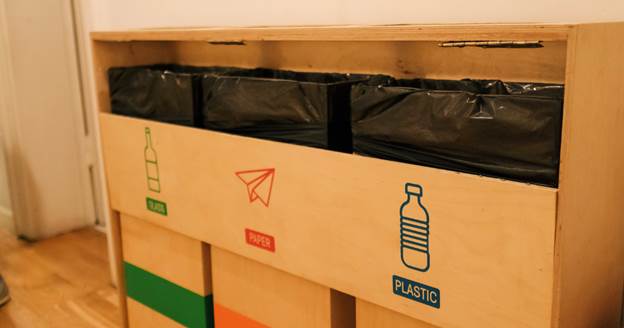
Storage can become especially useful when your old home and new home are not ready at the same time.
For example, you may sell your house before your new property is available.
Instead of trying to keep every box in a crowded temporary home, you can place furniture and other belongings in storage until the move is ready.
A moving company Raleigh NC may offer storage as part of a larger moving plan, but always ask whether the storage is handled by the mover, a separate facility, or a third party.
Before choosing a storage option, ask:
- Is the facility climate controlled?
- How is access handled?
- Is the area monitored?
- What security measures are used?
- Is insurance or valuation protection included?
- How are items handled during pickup and delivery?
Conclusion
Proper storage solutions help prevent avoidable damage while making your home move or business easier to manage.
The right approach is not simply finding the biggest available space.
It means choosing suitable containers, controlling moisture, protecting fragile items, labeling belongings, and selecting the right environment for each type of item.
Whether you are storing furniture between moves, protecting family records, or keeping business equipment safe, a little preparation can prevent expensive problems later.